Why 12 Dishes Are Served on Christmas Eve?
Have you ever wondered why Christmas Eve dinner features 12 distinct dishes? For Orthodox Christians, Christmas is one of the most important celebrations of the year, marking the start of a season filled with faith, family, and tradition. While the menu can vary from home to home, there are typically 12 essential dishes served, each symbolizing the 12 apostles and the 12 months of the year. Traditionally, these dishes are made using local, seasonal ingredients to ensure blessings and a bountiful harvest in the coming year.
The Significance of Christmas Eve Dishes
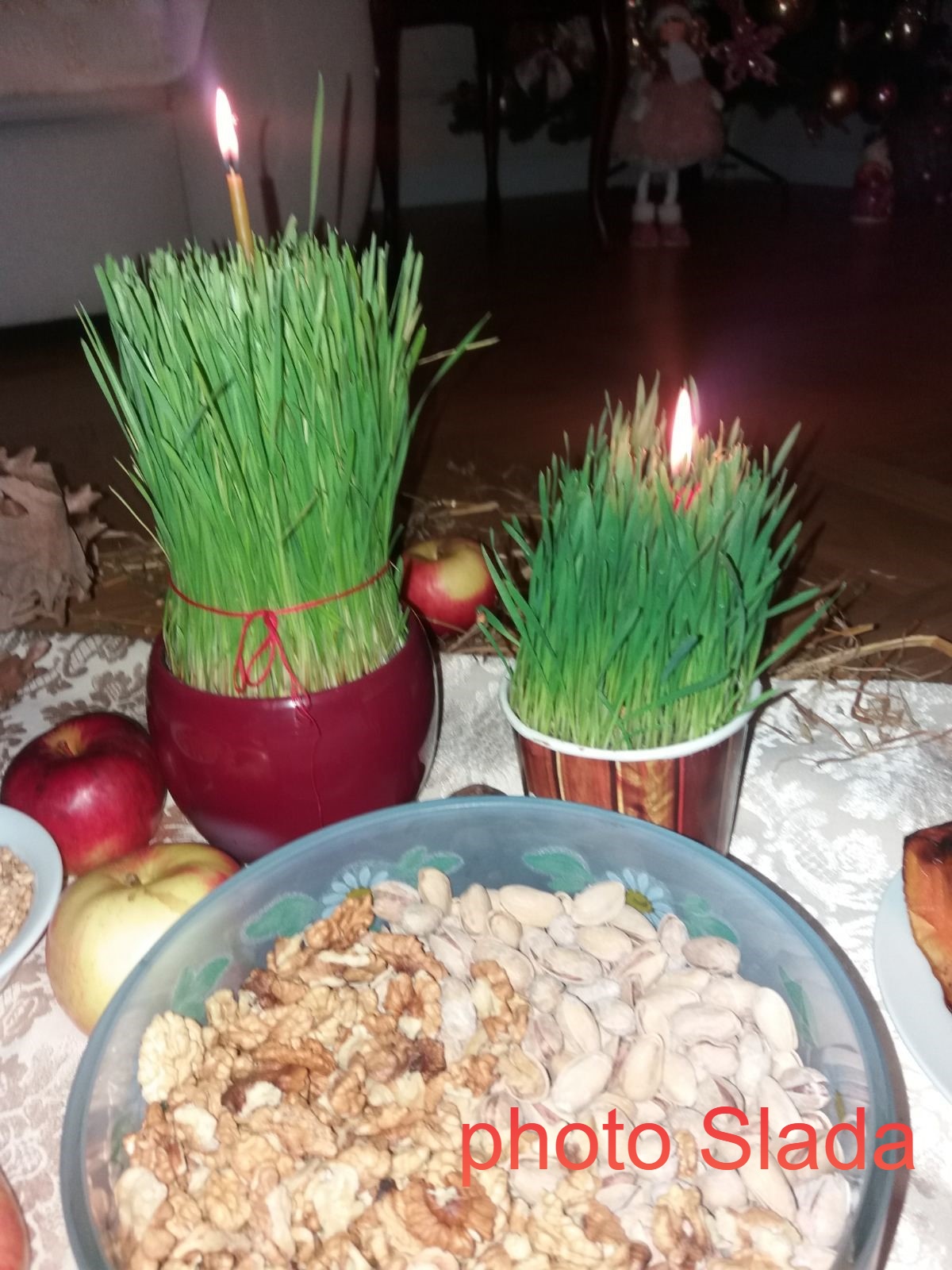
Christmas Eve meals are intentionally meatless and dairy-free. Ingredients like milk, cheese, butter, and eggs are avoided, while fish, grains, vegetables, nuts, and fruits take center stage. Every dish on the table carries its own symbolic meaning, believed to attract positive energy and blessings to the household:
- Beans and legumes – Represent divine abundance and promote family unity.
- Garlic – Placed at the four corners of the table or used in dishes, it symbolizes health and purification.
- Sweet pies – Signify the sweetness of life and bring joy to the home.
Christmas Eve Table Traditions
While all 12 dishes are considered meaningful, it’s not required to prepare every single one if circumstances don’t allow. However, two dishes are traditionally served at the start and end of the meal, marking the official beginning and close of the Christmas Eve feast. Each region may have its own versions of these dishes, with unique recipes and names, reflecting local customs and family traditions.
The Christmas Eve table is more than just food—it’s a celebration of health, prosperity, unity, and the hope of a rich and fruitful year ahead.