
Yellow is the first color we ever painted. Before blue had a name, before purple was affordable, there was ochre. Seventy-two thousand years ago, in a South African cave, someone scraped iron oxide from the earth, mixed it with animal fat, and left a yellow mark on stone. It was not a sunset. It was a declaration. We were here, and we saw the light.
The ancient Egyptians understood yellow as the color of gold, which they believed was the skin of the gods. Tutankhamun’s death mask is surrounded by yellow paint made from orpiment — arsenic sulfide, toxic and luminous. Egyptian painters knew it shortened lives. They used it anyway, because beauty that lasted forever was worth the price. The Romans continued this tradition, painting the walls of wealthy villas with expensive yellow ochre to catch the Mediterranean light and make rooms feel like they extended into the sun.
In China, yellow was so powerful it was forbidden. From the Tang Dynasty through the Qing, imperial yellow was reserved exclusively for the emperor. The color was extracted from the evodia tree and later from minerals, and anyone caught wearing it without permission faced execution. The Yellow River was named for the loess soil it carried, the cradle of Chinese civilization. Yellow was the center of the universe, the Earth element in the Five Elements system, the axis around which all other colors turned.
Yet in the West, yellow carries a split personality. Medieval Europeans associated it with Judas, who was painted in yellow robes to mark his betrayal. During the Spanish Inquisition, heretics were forced to wear yellow. In Renaissance Venice, prostitutes were required to wear yellow caps. The color of sunlight became the color of shame. This duality persists. We paint school buses yellow because it is the most visible color to the human eye, the first hue our peripheral vision detects. But we also use it for warning signs, caution tape, and toxic waste labels. Yellow saves lives and threatens them simultaneously.
Psychologically, yellow is the most aggressive color in the spectrum. Studies show that babies cry more in yellow rooms, and adults are more likely to lose their temper in predominantly yellow spaces. It stimulates the nervous system, increases mental activity, and accelerates metabolism. This is why taxis are yellow, highlighters are yellow, and the Tour de France leader wears yellow. It demands attention. But it also exhausts. The sunniest color, in large doses, becomes a stressor.
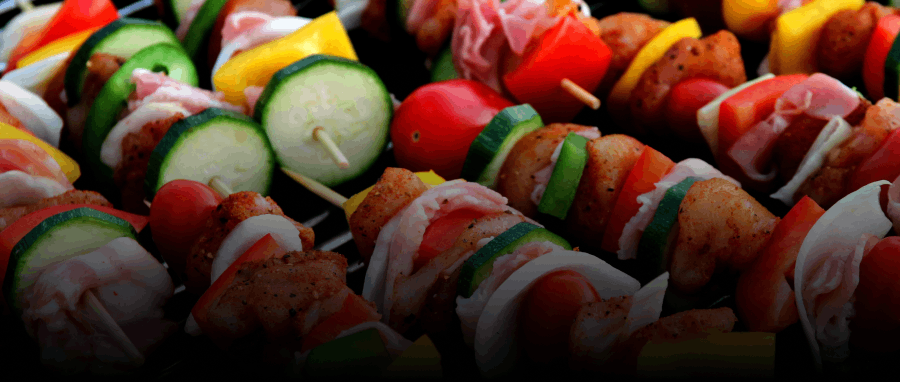
Is it healthy? In food, remarkably so. The yellow pigment in turmeric, called curcumin, is one of the most studied anti-inflammatory compounds in modern medicine. Yellow bell peppers contain more vitamin C than oranges. Egg yolks deliver lutein and zeaxanthin, which protect the retina from degeneration. Bananas provide potassium and quick energy. The yellow foods on our plates often heal us quietly, without the drama of trendier superfoods.
In nature, yellow is the color of strategy. Dandelions turn yellow to attract pollinators with a wavelength that stands out against green foliage. Poison dart frogs are yellow to warn predators. The golden poison frog, no larger than a thumbnail, carries enough alkaloid to kill ten men. Nature uses yellow as a billboard: come here, or stay away, but do not ignore me.
What has changed? We now synthesize yellow by the ton. Chrome yellow, cadmium yellow, and azo dyes color our packaging, our clothing, our traffic infrastructure. We have standardized the sun. But the ancient ochre still sits in the earth, waiting. And every spring, when the first dandelion opens in a crack of concrete, it carries the same message it carried seventy-two thousand years ago. We were here. The light returned. And we saw it.