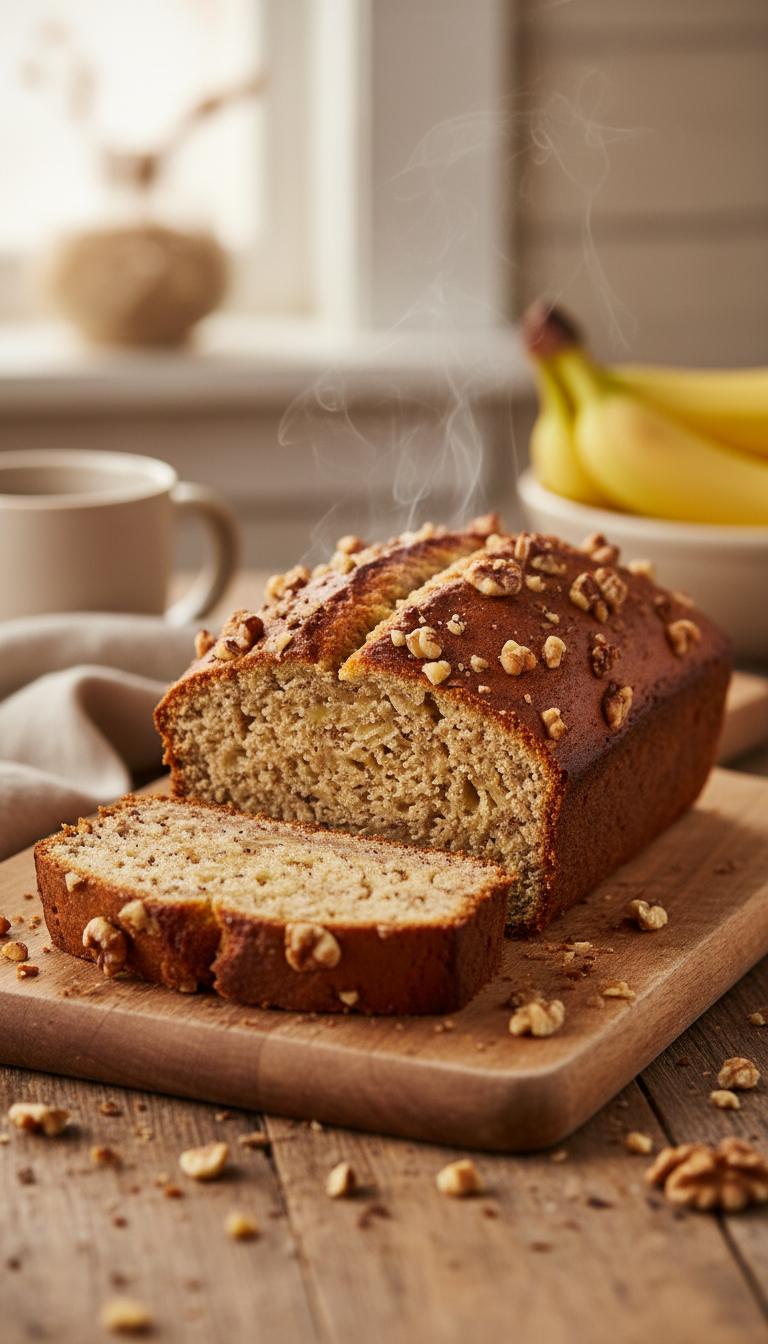
There is a particular smell that defines domestic safety—the warm, caramelized sweetness of banana bread drifting from a kitchen oven. It is the aroma of resourcefulness disguised as indulgence, a scent that has comforted generations through economic collapse, world wars, and global pandemics. Yet this beloved loaf, now a staple of brunch menus and Instagram feeds, carries a history far more recent than its ancient ingredient suggests.
Bananas themselves are ancient travelers, originating in the humid forests of Southeast Asia over seven thousand years ago and carried by human migration across the Indian Ocean to Africa, then by Spanish and Portuguese explorers to the Americas in the 16th century. But banana bread did not exist for most of this journey. The fruit was eaten fresh, dried, or fried; baking it into a loaf required an industrial revolution in the kitchen.
The true birth of banana bread occurred in the United States during the Great Depression of the 1930s. As households faced devastating scarcity, wasting food became unthinkable. Overripe bananas—too soft for eating but too precious to discard—found their salvation in the oven. Simultaneously, mass-produced baking soda and baking powder had recently democratized quick breads, allowing home cooks to create risen loaves without the temperamental biology of yeast. The marriage of these two innovations was inevitable. The earliest known published recipe appeared in Pillsbury’s 1933 Balanced Recipes cookbook, though home bakers had likely been experimenting with the formula for several years prior.
The predecessor to banana bread was not a specific dish, but the broader category of quick breads—soda breads, fruit loaves, and nut breads that had already colonized American baking culture. What banana offered was an unmatched moisture and natural sweetness, eliminating the need for excessive sugar or butter. It was, in essence, the perfect Depression-era ingredient: cheap, nutritious, and forgiving.
When banana bread finally crossed the Atlantic to Europe, it arrived not as a traditional recipe but as an American cultural export, gaining traction in the post-war years as a symbol of domestic abundance and modern convenience. For Europeans accustomed to yeasted breads and dense fruitcakes, the light, cake-like texture of banana bread signified a new, casual approach to baking—one that prioritized speed and comfort over ritual and proofing.
Symbolically, the loaf has always represented more than sustenance. It is the baked embodiment of making do, of transforming failure into pleasure. The overripe banana, spotted and soft, is redeemed rather than rejected. This narrative of rescue and reinvention has given banana bread an emotional resonance that other quick breads rarely achieve.
Today, the impact is measurable and global. Banana bread is arguably the most baked quick bread in the English-speaking world, and its influence has spread through Asia, Europe, and Latin America via American media and tourism. The classic version—moist, dense, often studded with walnuts or pecans—remains the most popular, though the 21st century has spawned an entire taxonomy of descendants. Vegan versions using flax eggs, gluten-free almond-flour adaptations, chocolate-swirled iterations, and protein-enriched “gym rat” loaves now share space with the original. The most popular contemporary variation is arguably the chocolate chip banana bread, which has overtaken the nut-studded classic among younger bakers, though purists continue to defend the walnut tradition.
What changed most dramatically was the banana bread’s role during the COVID-19 pandemic in 2020. As yeast vanished from supermarket shelves and millions found themselves confined to homes, the loaf experienced a viral resurgence. Google searches for banana bread recipes spiked by over 500 percent in April 2020. It became the unofficial baked good of global isolation, a therapeutic project that required no specialized equipment and offered a reliable dopamine hit in uncertain times. Social media platforms were flooded with cross-section photographs of steaming loaves, turning a Depression-era frugality measure into a symbol of collective resilience.
From a 1930s strategy against waste to a pandemic-era therapy, banana bread has proven itself endlessly adaptable. It asks nothing of the baker except patience and overripe fruit, and it returns warmth, sweetness, and the quiet satisfaction that something once destined for the compost bin can be reborn as the most welcoming thing on the table.