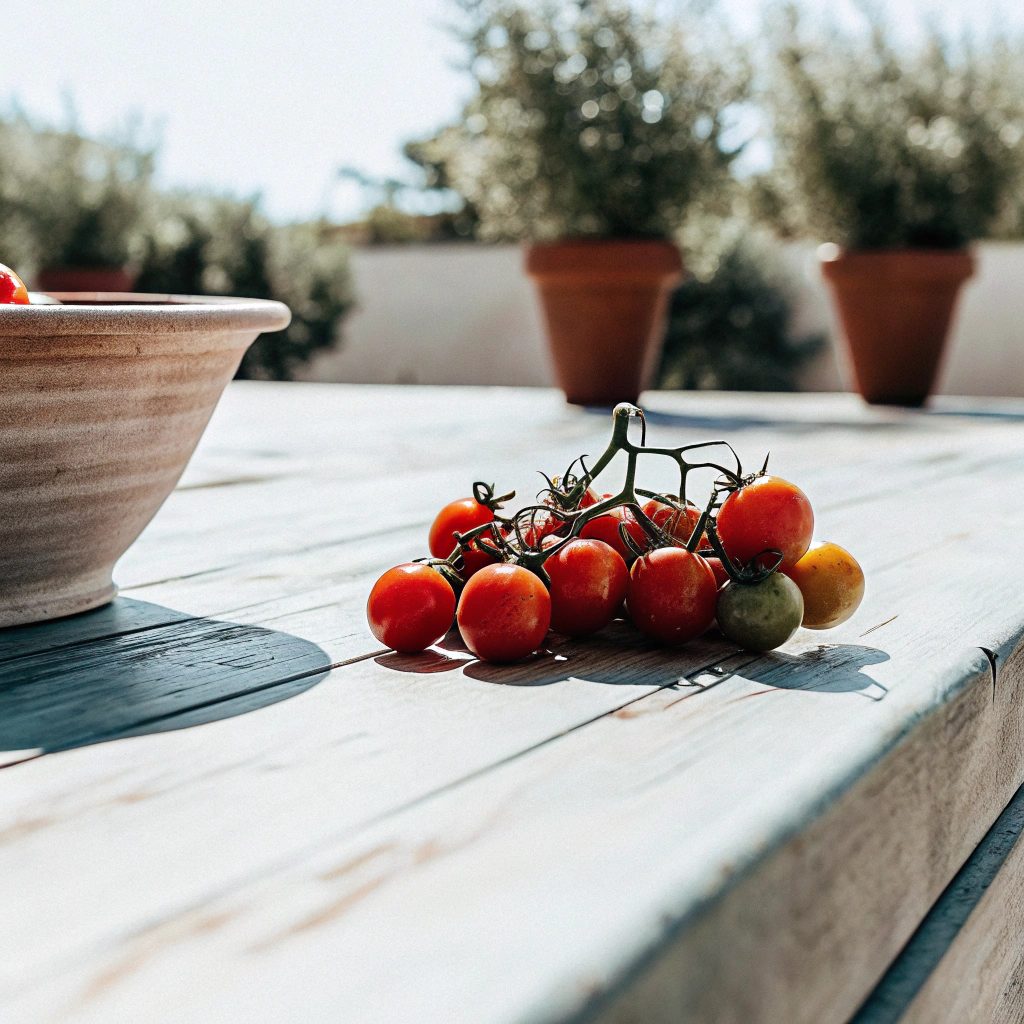
Small, sweet, and bursting with juice, cherry tomatoes have transformed from a niche garden curiosity into a global kitchen staple. Cherry tomato history begins not in Italy, as many assume, but in the coastal highlands of western South America, where wild Solanum pimpinellifolium — the currant tomato, closest ancestor to modern cherry varieties — still grows as a weedy vine. Indigenous peoples of Ecuador and Peru consumed these tiny fruits for millennia before Spanish conquistadors encountered them in the sixteenth century and carried seeds back to Europe. By the early 1700s, cherry tomatoes had established themselves in Mediterranean gardens, though they remained overshadowed by larger slicing varieties for another two centuries.
The true explosion of cherry tomato popularity occurred in the late twentieth century, driven by Israeli agricultural innovation. The now-famous Ramapo variety, developed at Rutgers University in 1968, and the subsequent Israeli breakthroughs with hydroponic greenhouse cultivation, transformed cherry tomatoes from seasonal treats into year-round commodities. By the 1990s, supermarkets worldwide displayed plastic pints of bright red and golden yellow orbs, and home gardeners discovered that these compact vines thrived in containers on apartment balconies.
Scripture celebrates the broader tomato family through related nightshades and the general theme of garden abundance. Genesis 1:29 grants humanity every seed-bearing plant for food, while Deuteronomy 8:8 describes the Promised Land as a place of wheat, barley, vines, fig trees, pomegranates, olive oil, and honey. These passages frame the human relationship with small, sweet fruits as divine provision, a sentiment that resonates with anyone who has popped a warm cherry tomato straight from the vine.
Several distinct varieties define the modern market. Sweet 100 and Super Sweet 100 produce long trusses of sugar-packed red fruits that rarely make it from garden to kitchen. Sun Gold offers a golden-orange hue with tropical sweetness that has become the gold standard for flavor among home growers. Black Cherry delivers a dusky, wine-like complexity that pairs beautifully with soft cheeses. Yellow Pear, shaped like tiny teardrops, dates back to the nineteenth century and offers a milder, less acidic taste. Chocolate Cherry and Indigo Rose provide dramatic dark coloring with balanced flavor. Some historical forms have faded. The original wild currant tomato, with its sprawling habit and fruits barely larger than peas, survives primarily in seed banks and breeding programs. Early European varieties with tough skins and mealy texture have been replaced by modern cultivars bred for sweetness and thin skin.
Extremes capture attention. The largest cherry tomato on record weighed over 60 grams, approaching the size of a small plum tomato, grown under ideal greenhouse conditions. At the opposite end, wild currant tomatoes weigh less than a gram each, requiring hundreds to fill a single cup. The predecessor to all of these was the wild South American vine, a plant valued for survival rather than culinary refinement.
Global impact is measured in billions. The cherry tomato market continues expanding as snacking culture replaces traditional meal structures, with consumers seeking healthy, portable alternatives to processed foods. What began as a wild weed in Andean foothills has evolved into a symbol of modern healthy eating, appearing in lunchboxes, salad bars, and cocktail garnishes worldwide.
Symbolically, cherry tomatoes represent the democratization of gourmet flavor. Where heirloom beefsteak tomatoes demanded garden space and patience, cherry tomatoes offer instant gratification in compact packages. What changed most profoundly is perception. Once considered inferior to larger varieties, cherry tomatoes now command premium prices and dedicated shelf space, proving that the smallest fruits often carry the most concentrated pleasure.
Original Recipe: Roasted Cherry Tomatoes with Garlic and Thyme
This is my own simple preparation, developed to maximize the natural sweetness of peak-season fruit.
Ingredients:
- 2 pints cherry tomatoes (mixed colors if available)
- 4 cloves garlic, thinly sliced
- 2 tablespoons olive oil
- 1 teaspoon fresh thyme leaves
- ½ teaspoon sea salt
- ¼ teaspoon black pepper
- 1 tablespoon balsamic vinegar
- Fresh basil leaves for garnish
Method: Preheat the oven to 400°F. Wash the cherry tomatoes and pat completely dry — moisture prevents proper caramelization. Place them in a single layer in a baking dish just large enough to hold them snugly; too much space causes the juices to burn rather than concentrate. Scatter sliced garlic and thyme leaves evenly over the top. Drizzle with olive oil, then season with salt and pepper. Toss gently with your hands to coat every tomato.
Roast for 25 to 30 minutes, shaking the pan once halfway through, until the tomatoes have burst and their juices have reduced to a syrupy glaze. Remove from the oven and immediately drizzle with balsamic vinegar; the residual heat will mellow the acidity into sweetness. Let rest for five minutes, then garnish with torn fresh basil. Serve warm over grilled bread, tossed with pasta, or alongside roasted chicken. These tomatoes keep refrigerated for four days and improve in flavor as they sit.
Cherry Tomato and White Bean Bruschetta
Another recipe, designed for summer appetizers or light lunches.
Ingredients:
- 1 pint cherry tomatoes, halved
- 1 can cannellini beans, drained and rinsed
- 2 tablespoons extra virgin olive oil
- 1 tablespoon red wine vinegar
- 1 small shallot, minced
- 2 tablespoons fresh parsley, chopped
- ½ teaspoon dried oregano
- Salt and pepper to taste
- 1 baguette, sliced and toasted
Method: Combine halved cherry tomatoes, white beans, shallot, and parsley in a mixing bowl. Whisk olive oil, red wine vinegar, and oregano together, then pour over the tomato mixture. Season generously with salt and pepper, then let stand at room temperature for twenty minutes so the flavors marry. Spoon generously over toasted baguette slices just before serving. The contrast of warm bread against the room-temperature topping creates the ideal texture.