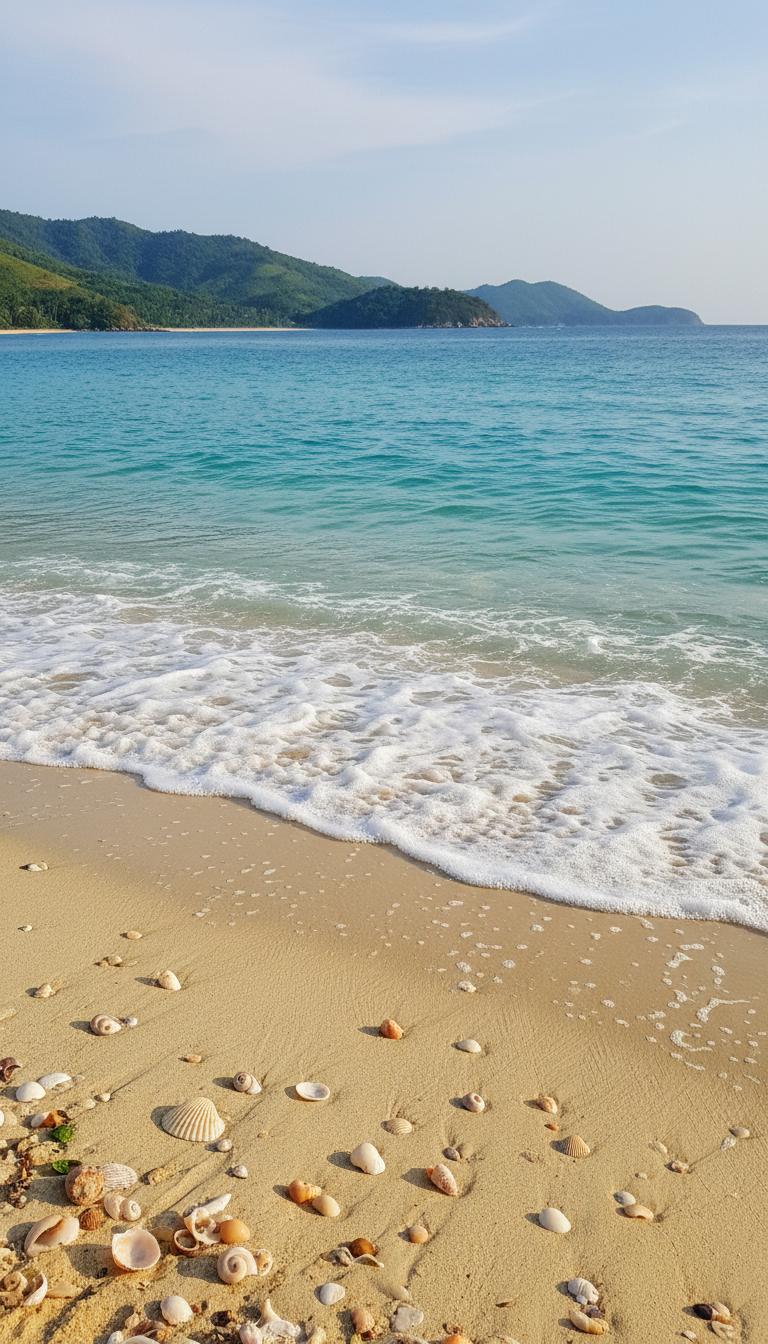
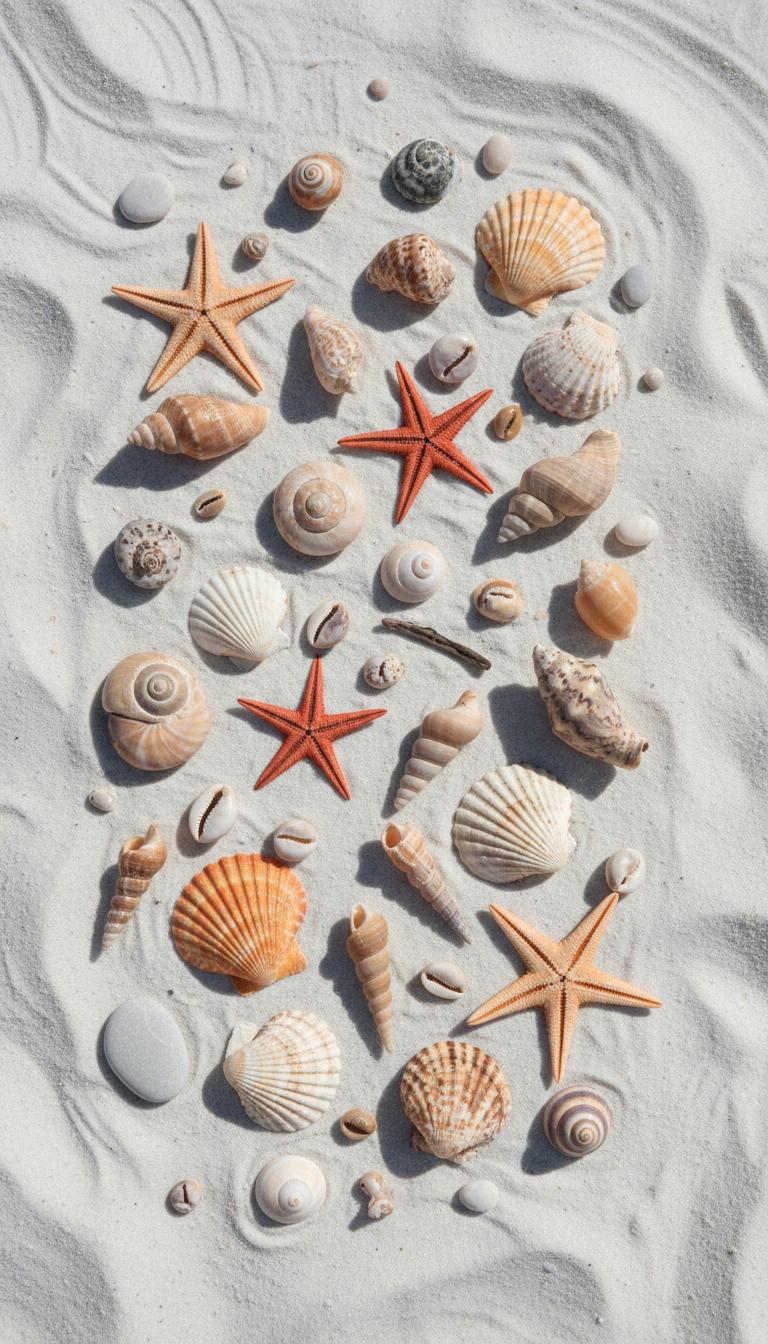
There is a moment on every summer vacation when time stops pretending to hurry. It usually happens barefoot, on warm sand, with a shell in your hand. You are not checking the clock. You are simply looking at the spiral of a seashell and wondering how something so small took years to build. That is the real gift of the annual escape. It gives us back our patience.
The concept of a yearly vacation is barely a century old. Until the early 1900s, time off was a luxury for the wealthy. The idea that ordinary workers deserved a week of rest was radical. The first paid vacation laws appeared in Europe between the 1920s and 1940s. The United States never made it mandatory, which is why nearly a third of American workers still do not use all their allotted days. Meanwhile, France mandates five weeks, and the average Brazilian worker enjoys thirty days by law. The annual vacation is not universal. It is a privilege disguised as routine.
But what does it actually do to us? Science has answers. Studies from the University of Tampere in Finland found that happiness peaks during vacation planning, not during the trip itself. The anticipation is the drug. Another study from the American Psychological Association confirmed that vacations reduce stress, improve sleep quality, and boost creativity for weeks after return. Yet the benefits fade within two to four weeks if the work culture is toxic. A vacation is not a cure. It is a pause button.
The beach, of course, is where most of us press that button. Nearly 40 percent of global summer vacations involve a coastline. The reasons are biological as much as emotional. The color blue reduces heart rate and cortisol levels. The negative ions in sea air improve mood and lung function. And the sound of waves, rhythmic and predictable, literally lulls the brain into a meditative state. We do not just like the beach. Our bodies are designed to surrender to it.
Seashells are the quiet souvenirs of that surrender. Every shell is a record. The ridges mark the lunar cycles that guided the tide. The colors come from the minerals in the water and the diet of the creature that built it. Some shells are millions of years old, yet they wash up fresh every morning, as if the ocean is reminding us that beauty is both ancient and renewable. Collecting them is one of the oldest human hobbies. Children do it instinctively. Adults pretend they are doing it for the children.
What has changed is the pressure. A century ago, a vacation meant rest. Today, it often means content creation. We photograph our shells, filter our sunsets, and caption our relaxation. The irony is thick. We escaped the office only to build a smaller one in our phones.
Still, the annual vacation persists because it works. Even an imperfect one interrupts the rhythm of obligation. It forces us to eat at odd hours, talk to strangers, and sleep without alarms. It reminds us that we are not our job titles. We are just people who need salt on our skin and sand between our toes.
So when you find that shell this summer, keep it. Not for the photo. For the memory of who you were when you picked it up. Unhurried. Unscheduled. Alive.