

Spinach isn’t just another leafy green—it’s one of the most powerful, nutrient-dense foods you can add to your daily routine. Packed with vitamins, minerals, and plant compounds, this vibrant green has traveled from ancient Persia to modern kitchens, earning its reputation as a true superfood along the way.
A Leafy Green with a Global Story
Originally cultivated in the region of modern-day Iran, spinach spread across Asia and eventually made its way to Europe centuries later. Today, it thrives in moderate climates and is enjoyed worldwide, especially during peak seasons in spring and early fall when its flavor and nutritional value are at their best.
Why Spinach Deserves a Spot on Your Plate
Spinach is loaded with powerful antioxidants and plant-based compounds that support overall health. It contains a unique blend of flavonoids known for their protective properties, helping the body fight oxidative stress and maintain cellular health.
Rich in vitamin C and beta-carotene, spinach helps reduce damage caused by free radicals. These nutrients also play a key role in supporting heart health by preventing harmful cholesterol oxidation—one of the major contributors to cardiovascular issues.
Just one serving delivers a significant boost of essential nutrients:
- High levels of vitamin A for immunity and skin health
- Vitamin K for strong bones and proper blood function
- Folate for heart health and cellular repair
- Magnesium to help regulate blood pressure
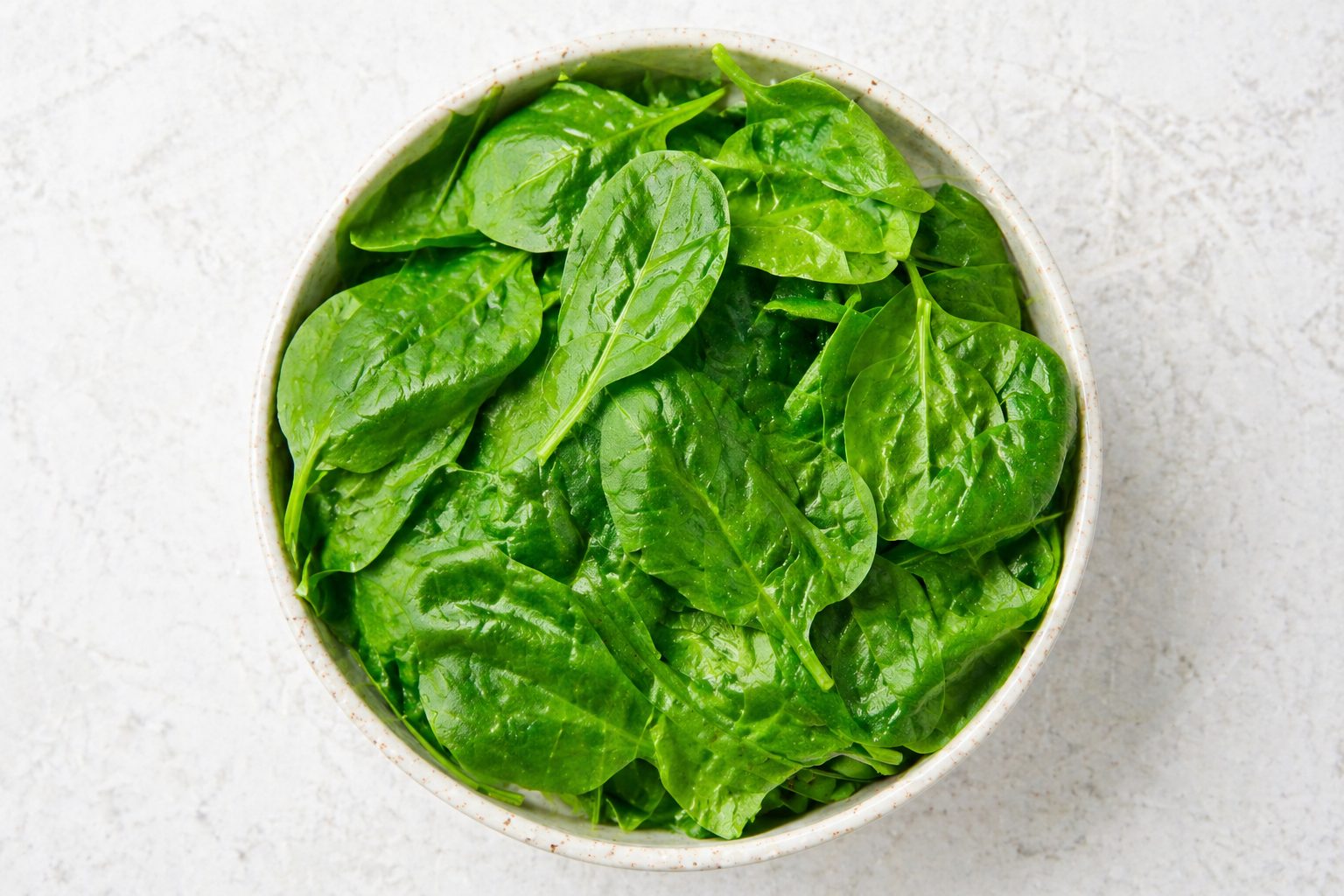
Brain, Eye, and Bone Support
Spinach doesn’t stop at basic nutrition—it actively supports long-term wellness. Studies suggest that compounds found in spinach may help protect brain function as we age, improving memory and motor skills.
When it comes to eye health, spinach stands alongside carrots as a powerful ally. It contains lutein, a carotenoid known for protecting vision and reducing the risk of eye-related conditions.
Its exceptionally high vitamin K content also makes spinach essential for maintaining strong, healthy bones by supporting proper mineralization.
How to Choose and Store Spinach
Always look for fresh spinach with deep green leaves and no signs of yellowing or damage. To keep it fresh:
- Store unwashed in a plastic bag in the refrigerator
- Avoid moisture before storage to prevent spoilage
- Use quickly after cooking, as it doesn’t store well
Simple Preparation Tips
Before using spinach, wash it thoroughly to remove dirt and impurities. Soaking and rinsing multiple times ensures clean, fresh leaves ready for cooking or salads.
For the best nutrient absorption—especially fat-soluble compounds like lutein—pair spinach with healthy fats such as olive oil.
Important Things to Know
Spinach contains naturally occurring oxalates, which may affect people with kidney or thyroid conditions. If you have specific health concerns, it’s best to moderate intake or consult a professional.