
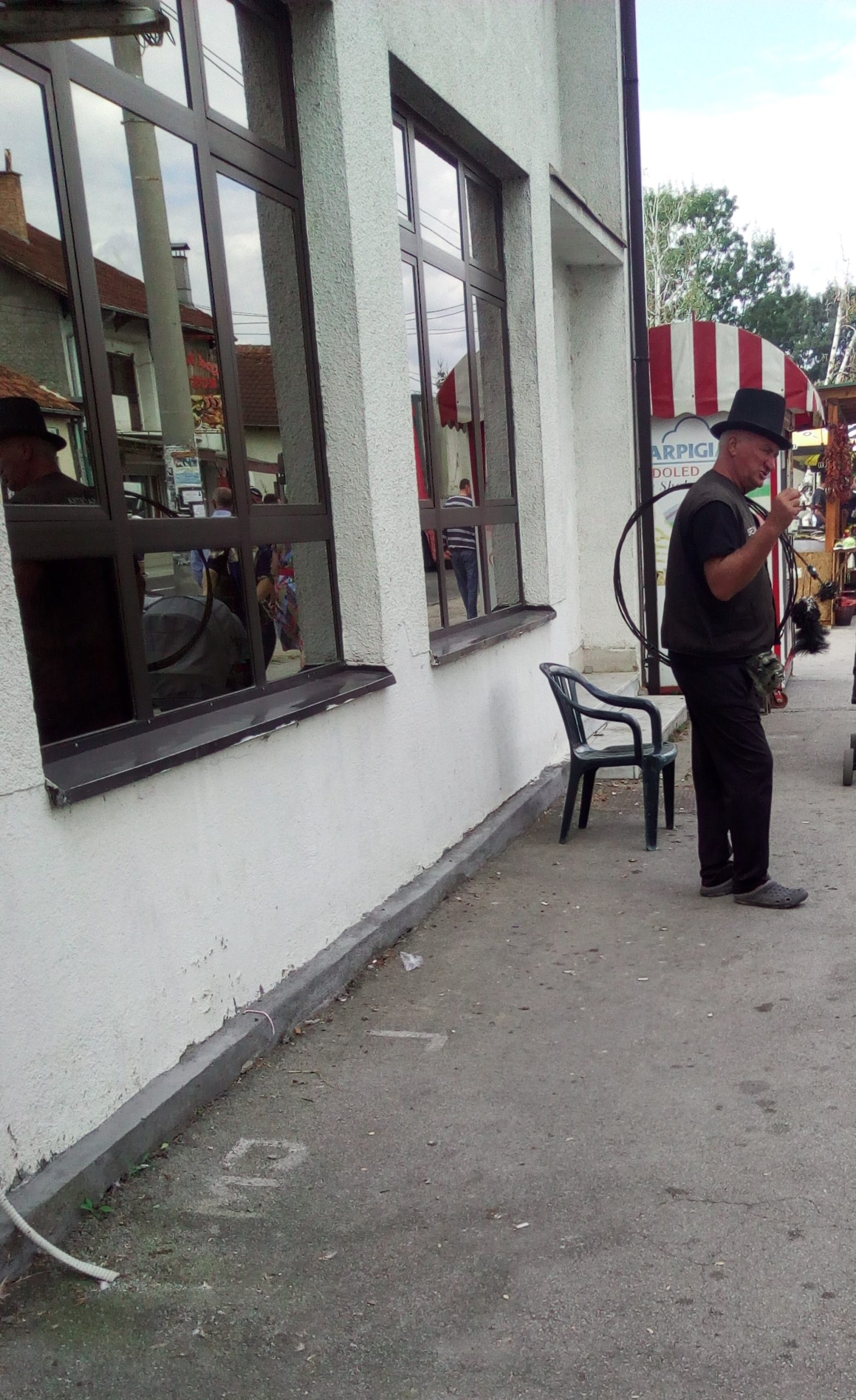
Do you believe in luck? In many parts of Europe, seeing a chimney sweep in the street is considered a wonderful sign. Some people believe that touching a button on your clothing when you spot one can bring good fortune, while others say that shaking a chimney sweep’s hand is enough to invite happiness into your life. But why did a man covered in soot become one of the most recognizable symbols of good luck? The answer lies in centuries of tradition, fascinating folklore, and an occupation that once played an essential role in everyday life.
The chimney sweep’s story began long before the familiar black uniform and tall hat became popular. As fireplaces and chimneys became common features of European homes, especially from the 16th century onward, someone had to keep them clean. Smoke from wood and coal fires left behind layers of soot inside chimneys. If this material accumulated, it could restrict airflow and increase the risk of chimney fires. Regular cleaning was therefore an important part of keeping a household safe.
During the 18th and 19th centuries, the profession expanded considerably as growing towns and cities relied heavily on coal for heating. Chimney sweeps became familiar figures in streets and neighborhoods, often announcing their services as they walked from house to house. Their work required skill, experience, and specialized tools. Over time, brushes attached to long rods and other cleaning equipment made it possible to maintain chimneys without relying on the old methods of sending small apprentices inside narrow flues. The profession gradually developed into the trained trade we recognize today.
So, how did chimney sweeps become associated with good luck?
There is no single confirmed explanation, but several European traditions helped establish this belief. One popular British story tells of a chimney sweep who supposedly helped save a king after a horse became frightened. The king was grateful and, according to the legend, declared that chimney sweeps should be welcomed as bringers of good fortune. Although the details vary between versions, the story helped strengthen their positive image.
Another explanation is connected to weddings. In Britain and several other European countries, chimney sweeps became welcome guests at wedding celebrations. Seeing one on the wedding day was thought to bring happiness, prosperity, and a long-lasting marriage. Some couples even invited a real chimney sweep to their wedding for a special good-luck appearance.
The symbolism is especially interesting in Central and Northern Europe. In Germany, Austria, and other countries, chimney sweeps frequently appear on New Year greeting cards, calendars, decorations, and small good-luck gifts. They are often pictured alongside four-leaf clovers, horseshoes, ladybugs, and lucky pigs. In parts of Croatia and neighboring countries, people traditionally believe that touching a button when they see a chimney sweep brings good luck. The black uniform, soot-covered face, traditional cap, and cleaning brush have become instantly recognizable symbols.
But there is a practical reason behind this positive symbolism, too. A chimney sweep was once a person who helped protect homes from one of the most common household dangers: fires caused by poorly maintained chimneys. Their arrival meant that the fireplace could be cleaned and inspected, making the home safer. In that sense, the association with good fortune may have grown from the feeling of relief and security that their work provided.
Of course, chimney sweeping is not a health treatment, and soot is not something that offers health benefits. In the past, the profession exposed workers to considerable amounts of soot and dust. Modern chimney sweeps use professional equipment, protective clothing, and appropriate cleaning methods to reduce exposure. Today, their work includes removing soot deposits, checking chimney condition, and helping homeowners maintain safe ventilation and heating systems.
Despite modern heating technology, chimney sweeps have not disappeared. Many households still use fireplaces, wood-burning stoves, and other heating appliances that require regular professional maintenance. Their role has simply evolved, combining traditional knowledge with modern tools and safety standards.
Perhaps that is why the chimney sweep remains such a beloved figure. He represents more than an old-fashioned profession. He symbolizes protection, a warm home, prosperity, and the hope that good things are just around the corner.
So, the next time you see a chimney sweep walking down the street, you might want to touch a button and make a little wish. After all, traditions do not always need a scientific explanation to bring a smile — sometimes, their charm is in the stories we continue to share.