
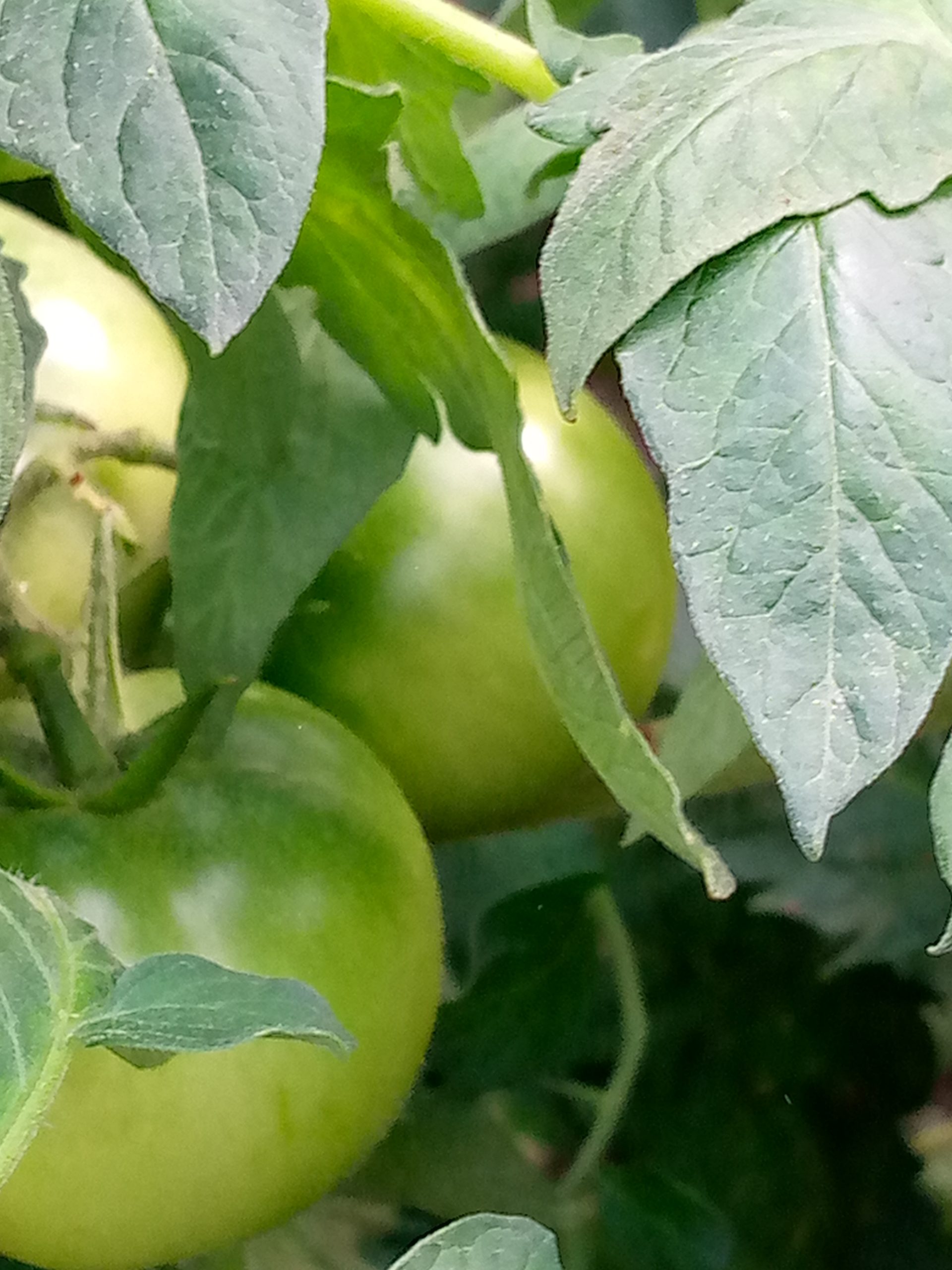
Every autumn, just before the first frost, gardeners across the country face the same quiet heartbreak. The vines are dying, the leaves are curling, and there they sit — a dozen pale-green tomatoes that will never have time to ripen.
Most people see waste. They throw them on the compost heap and forget about them.
That, it turns out, is a mistake.
The green tomato was never a failure. It was simply misunderstood. Long before it became famous — immortalised in a novel and a Hollywood film as the star of the American South, sliced thick, coated in cornmeal and fried until golden — the green tomato was simply what remained when summer ran out. And resourceful cooks, as they always do, turned necessity into something delicious.
Fried green tomatoes are nothing like their ripe cousins. Crisp on the outside, sharp and firm on the inside, with a gentle sourness that cuts straight through a grey November afternoon. Add a pinch of salt, a dash of hot sauce, and you have a dish that costs almost nothing and tastes like a small celebration.
Not in the mood for frying? Pickle them. In a jar with vinegar, garlic and dill, green tomatoes stay crunchy all winter long — sharp enough to stand up to the heaviest roast dinner on the coldest evening of the year.
And for the truly patient, there is one final trick, passed down through generations: wrap each green tomato in newspaper, place them in a drawer, and wait. Check once a week. Weeks later, in the middle of winter, they will slowly blush red on their own — sweet, soft, and tasting faintly of a summer that refused to end.
The frost comes. The vines wither. The garden sleeps.
But the green tomato was never giving up.
It was simply waiting to be noticed.