
Kiwi Fruit History: Origins, Varieties and Global Impact
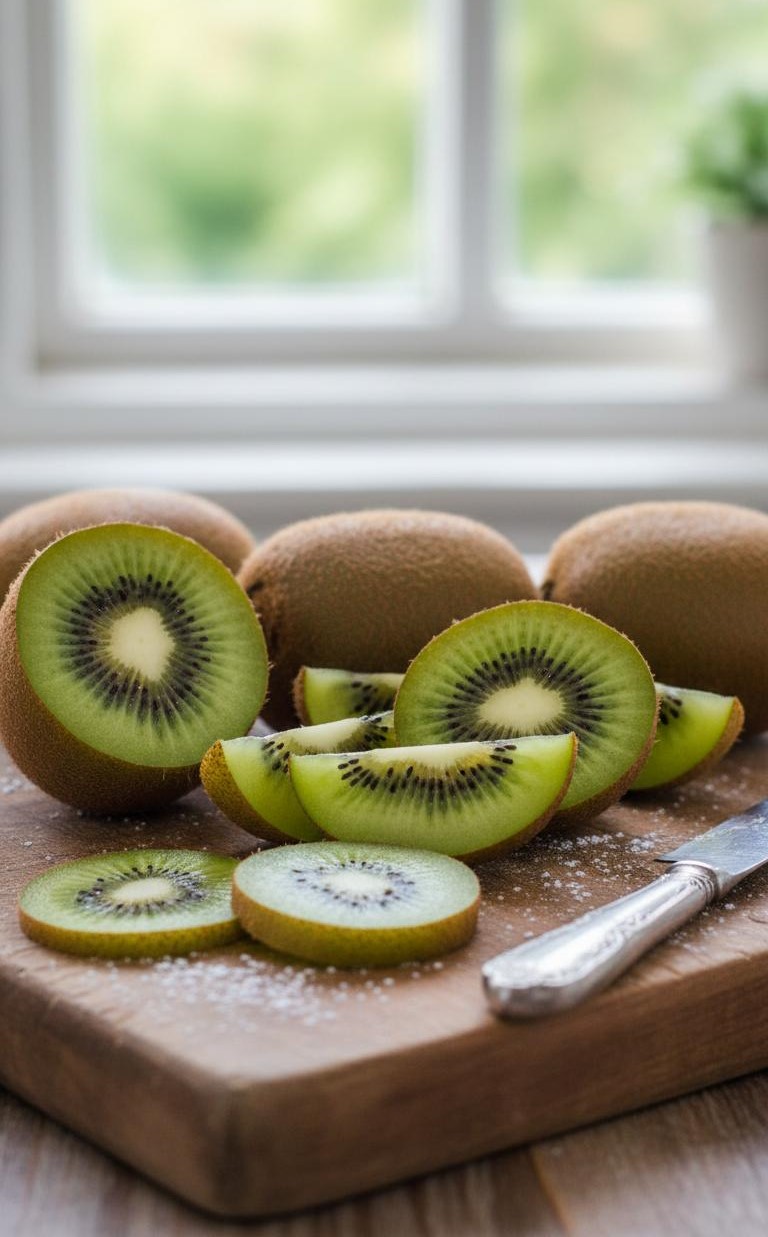
Fuzzy brown skin concealing emerald-green flesh has made the kiwi one of the most visually deceptive fruits in the produce aisle. Kiwi fruit history begins not in New Zealand, as many assume, but in the misty Yangtze River valleys of China, where the climbing vine Actinidia chinensis grew wild for millennia. Ancient Chinese texts from the Tang Dynasty praised the fruit as mihoutao, or “macaque peach,” because monkeys were observed feasting on it. The fruit remained a regional delicacy until the early twentieth century, when Isabel Fraser, a New Zealand schoolteacher, brought seeds back from a visit to China in 1904. By 1910, New Zealand nurserymen had cultivated the first commercial vines, and by the 1950s, the fruit was being exported under the name “Chinese gooseberry.”
The transformation into “kiwifruit” occurred in 1959, when New Zealand exporters rebranded the fruit to avoid Cold War-era tariffs and to honor the country’s national bird, the flightless kiwi. This marketing pivot changed kiwi fruit history forever, turning an obscure Chinese vine into a global commodity. Today, botanists recognize approximately seventy-five species within the Actinidia genus, though only a handful dominate commercial production.
Genesis 1:29 grants humanity every seed-bearing plant for food, while Galatians 5:22 lists the fruit of the Spirit as love, joy, and peace. These passages frame the broader human relationship with fruit as divine provision, a theme that resonates with the kiwi’s remarkable nutritional profile.
Several distinct varieties define the modern market. The Hayward green kiwi, with its familiar fuzzy skin and tart flavor, remains the most widely cultivated, commanding roughly fifty percent of global production. The SunGold variety, developed by Zespri from natural mutations, features smooth bronze skin and golden flesh with a sweeter, tropical taste. It has surged in popularity, now capturing about thirty percent of the market and commanding a twenty-five percent price premium over green fruit. Red kiwi, with its distinctive crimson center ring, represents a newer cultivar that appeals to visual presentation and novelty. Organic kiwi production grows at approximately twelve percent annually, driven by health-conscious consumers. Some ancient varieties have effectively disappeared from commercial cultivation. Wild Actinidia species with bitter or astringent flavors were abandoned as breeders selected for sweetness and shelf stability. The original mihoutao of Chinese forests survives only in germplasm collections and remote mountain thickets.
Extremes in scale capture global attention. The largest kiwi ever recorded weighed over 230 grams, nearly five times the average, grown under ideal conditions in New Zealand. At the opposite end, miniature ornamental kiwi vines produce berries barely larger than grapes, valued for landscaping rather than consumption. The predecessor to all commercial varieties was the wild Chinese vine, a plant that offered sustenance to monkeys long before humans recognized its potential.
Global impact is measured in billions. The kiwi fruit market reached approximately USD 9.89 billion in 2026, with projections climbing toward USD 11.11 billion by 2031. New Zealand dominates export value at nearly forty-seven percent, leveraging exclusive marketing rights and premium cultivars. Italy, Chile, Greece, and France round out the top producers, while China has recently reclaimed its position as the largest producer by volume, though much of its crop serves domestic consumption. Asia-Pacific leads consumption with a fifty-nine percent market share, driven by health awareness and lower import tariffs in India and Vietnam.
Symbolically, the kiwi embodies the paradox of hidden value. Its unremarkable exterior conceals a vibrant interior, making it a favorite metaphor for looking beyond surface appearances. In New Zealand, it represents national identity and agricultural ingenuity. In China, it carries the weight of rediscovered heritage. What changed most profoundly is perception. Once a wild forest fruit eaten by monkeys, then a rebranded export commodity, the kiwi now sits in smoothie bowls and wellness blogs as an emblem of clean eating. From Yangtze Valley thickets to supermarket shelves worldwide, kiwi fruit history continues proving that the most unlikely fruits can capture global imagination when timing, marketing, and nutrition align.