
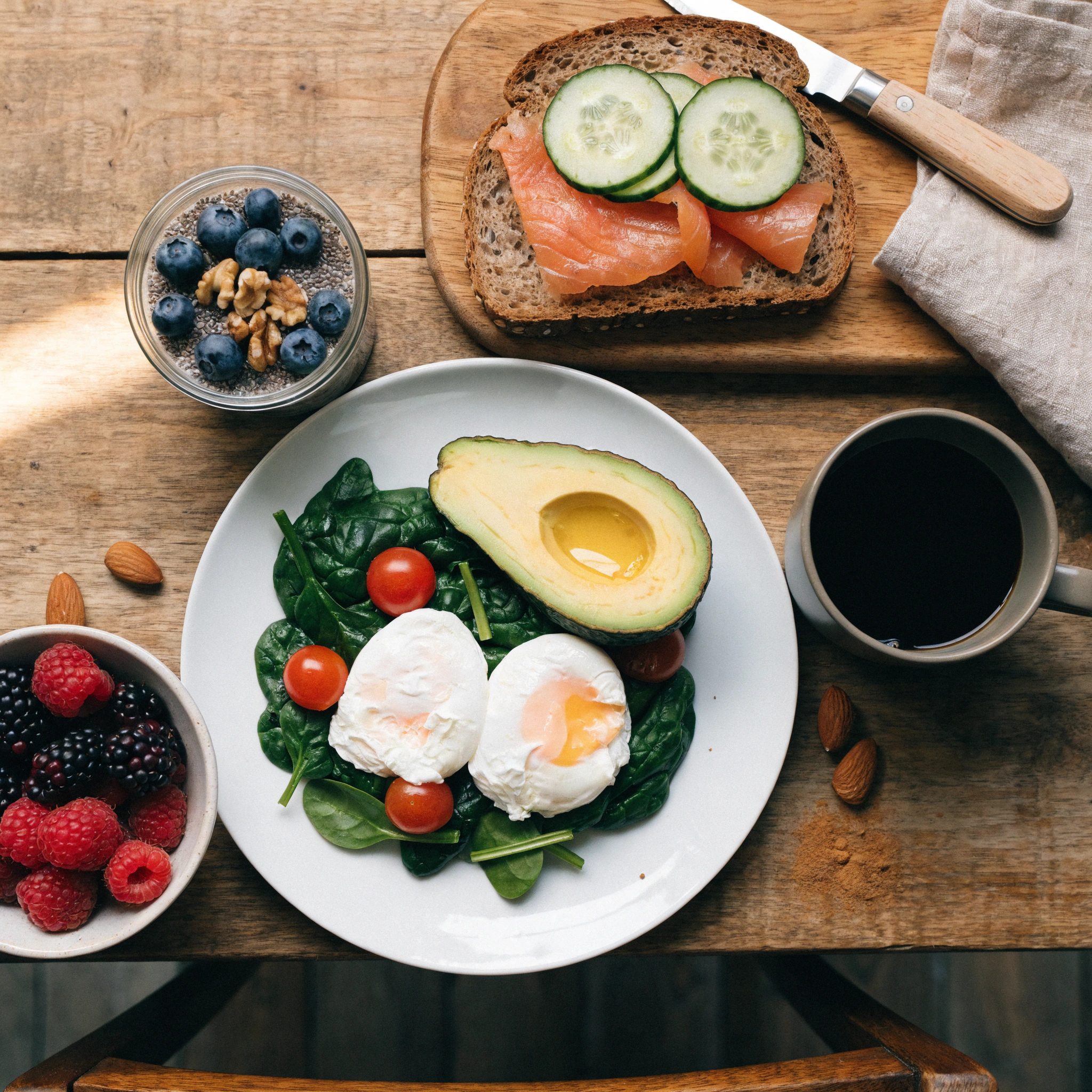
Why Breakfast Is the Most Critical Meal for Blood Sugar Control?
When you wake up, your body has been fasting for six to ten hours. For people with Type 2 diabetes, this fasting state creates a unique metabolic window. The dawn phenomenon — a natural surge of cortisol and growth hormone in the early morning — causes the liver to release stored glucose into the bloodstream. This means your blood sugar is already elevated before you take your first bite.
What you choose to eat for breakfast can either stabilize this morning spike or send your glucose levels soaring. Research consistently shows that a well-structured breakfast improves insulin sensitivity for the entire day, reduces HbA1c levels over time, and decreases cravings for high-carbohydrate foods later in the afternoon.
The Three Pillars of a Diabetic-Friendly Breakfast
After analyzing nutritional science and metabolic research, three macronutrients emerge as non-negotiable for morning meals.
- Protein: The Glucose Stabilizer
Protein slows gastric emptying, which means carbohydrates enter your bloodstream gradually rather than in a rush. It also triggers the release of glucagon-like peptide-1, a hormone that enhances insulin secretion and promotes satiety. Aim for a protein portion roughly equivalent to two to three eggs at breakfast. Excellent sources include eggs, Greek yogurt, cottage cheese, smoked salmon, tofu, and lean turkey. - Fiber: The Carbohydrate Buffer
Soluble fiber forms a gel-like substance in your digestive tract, physically slowing the absorption of sugar. Insoluble fiber adds bulk and promotes digestive health. Together, they blunt the glycemic response. Target a breakfast that delivers the fiber equivalent of a half-cup of beans or three tablespoons of chia seeds. Powerhouse options include chia seeds, flaxseeds, oats, berries, avocado, and non-starchy vegetables. - Healthy Fats: The Sustained Energy Source
Monounsaturated and polyunsaturated fats do not raise blood glucose and help you feel full longer. They also improve the absorption of fat-soluble vitamins. Prioritize avocado, nuts, seeds, olive oil, and natural nut butters. Avoid trans fats and limit saturated fats from processed meats.
The Glycemic Index Reality Check
Not all carbohydrates are created equal. The glycemic index measures how quickly a food raises blood sugar. However, the glycemic load — which considers both the index rating and the actual serving size — is more clinically relevant.
Low glycemic load champions for breakfast:
Steel-cut oats (index: 42, load: minimal per quarter-cup dry serving)
Berries (index: 25–40, minimal load due to high fiber and water content)
Chia seed pudding (negligible load)
Whole grain sourdough (fermentation reduces the index compared to standard bread)
High glycemic load disasters to avoid:
White bread toast with jam
Commercial breakfast cereals (even “whole grain” varieties often contain added sugars)
Pancakes with syrup
Fruit juice (liquid sugar without fiber)
The Complete Breakfast Arsenal: Foods That Fight Back
Eggs: Nature’s Multivitamin
Eggs contain all nine essential amino acids, making them a complete protein. The choline in egg yolks supports liver function — crucial for glucose metabolism. A 2018 study demonstrated that eating two eggs for breakfast reduced postprandial glucose spikes by 24 percent compared to an oatmeal breakfast of equal calories, primarily due to superior protein content. Prepare them poached, boiled, scrambled in olive oil, or as an omelet packed with spinach and mushrooms.
Greek Yogurt: The Fermented Advantage
Unsweetened Greek yogurt offers double the protein of regular yogurt and contains probiotics that improve gut health. Emerging research suggests that a healthy gut microbiome influences insulin sensitivity. Choose plain, full-fat or 2 percent varieties. Add cinnamon — which has been shown to improve fasting blood glucose — along with walnuts and a small handful of blueberries.
Avocado: The Metabolic Ally
Half an avocado provides roughly seven grams of fiber, 15 grams of heart-healthy monounsaturated fat, and only one gram of sugar. Its potassium content helps counteract the blood pressure elevations sometimes associated with diabetes. Spread it on whole grain toast, add it to smoothies, or serve it alongside eggs.
Chia Seeds: The Tiny Powerhouses
Two tablespoons of chia seeds deliver about 10 grams of fiber and 5 grams of omega-3 fatty acids. When soaked in liquid, they expand up to 12 times their size, creating a pudding-like texture that slows digestion dramatically. Soak them overnight in three-quarters of a cup of unsweetened almond milk with a splash of vanilla extract and top with crushed almonds.
Non-Starchy Vegetables: The Volume Hack
Spinach, kale, mushrooms, tomatoes, peppers, and zucchini add volume, nutrients, and fiber with minimal carbohydrates. A large vegetable omelet fills your plate and your stomach without spiking glucose. Sauté vegetables in olive oil with garlic and herbs for flavor without sugar.
Berries: The Sweet Exception
Strawberries, raspberries, blackberries, and blueberries contain anthocyanins — antioxidants that may improve insulin sensitivity. Unlike tropical fruits, berries are low in sugar relative to their fiber content. A half-cup serving of raspberries contains only about three and a half grams of sugar and over three grams of fiber.
Nuts and Seeds: The Crunch Factor
Almonds, walnuts, pumpkin seeds, and flaxseeds provide protein, fat, and magnesium — a mineral involved in over 300 enzymatic reactions including glucose metabolism. Studies indicate that regular nut consumption is associated with reduced risk of Type 2 diabetes progression. Keep portions to a small handful (about one ounce) due to calorie density.
Seven Battle-Tested Breakfast Formulas
Here are complete, nutritionally balanced breakfasts designed to keep blood sugar stable until lunch. - The Mediterranean Plate
Two poached eggs on a bed of sautéed spinach and tomatoes
Half an avocado drizzled with extra virgin olive oil
A small handful of almonds
Unsweetened herbal tea - The Power Parfait
Two-thirds of a cup of plain Greek yogurt
Two tablespoons of chia seeds (soaked for 10 minutes)
One-third of a cup of mixed berries
One tablespoon of crushed walnuts
Sprinkle of cinnamon - The Savory Oatmeal
One-quarter cup of dry steel-cut oats cooked in water or unsweetened almond milk
Topped with two tablespoons of ground flaxseed
Sliced mushrooms and wilted kale stirred in
One soft-boiled egg on the side
Dash of turmeric and black pepper - The Smoked Salmon Stack
Two slices of whole grain rye bread
Three ounces of smoked salmon
Two tablespoons of cream cheese
Sliced cucumber and dill
Lemon wedge - The Tofu Scramble (Plant-Based)
Five ounces of firm tofu, crumbled and sautéed with turmeric, nutritional yeast, and black salt
Mixed peppers, onions, and spinach
Half an avocado
One tablespoon of pumpkin seeds - The Green Smoothie Bowl
Base: three-quarters of a cup of unsweetened almond milk, one cup of fresh spinach, half a small avocado, one tablespoon of almond butter, blended until thick
Toppings: two tablespoons of hemp seeds, one-quarter cup of raspberries, one tablespoon of unsweetened coconut flakes
Eat with a spoon to slow consumption - The Leftover Remix
One small sweet potato (about the size of a computer mouse), baked the previous day, reheated and topped with half a cup of cottage cheese
Steamed broccoli on the side
Sprinkle of pumpkin seeds and paprika
The Hidden Traps: What Masquerades as Healthy
The breakfast food industry has mastered the art of deception. Products marketed as “heart-healthy,” “whole grain,” or “low-fat” often contain added sugars that sabotage glucose control.
Granola: Most commercial varieties contain honey, maple syrup, or cane sugar. A typical half-cup serving packs 12 to 16 grams of added sugar. If you love granola, make your own using oats, nuts, seeds, and a minimal amount of sugar-free vanilla extract.
Flavored Yogurts: A single six-ounce container of fruit-flavored yogurt can contain the equivalent of four to five teaspoons of sugar. Always choose plain and add your own berries.
Breakfast Bars: Even “protein” bars often rely on sugar alcohols or high glycemic syrups. Read labels meticulously. If sugar appears in the first three ingredients, avoid it.
Smoothies from Cafes: Commercially blended drinks often include fruit juice, frozen yogurt, or sweetened nut milks. A “healthy” smoothie can deliver 50 to 60 grams of sugar. Make your own at home where you control every ingredient.
Whole Grain Bread: Not all whole grain bread is equal. Some contain added sugars and refined flour. Look for bread where whole grains are the first ingredient, with at least 3 grams of fiber per slice and no added sugars.
Timing: When You Eat Matters as Much as What You Eat
Circadian rhythm research reveals that insulin sensitivity is highest in the morning and decreases throughout the day. This means your body handles carbohydrates better at 8 AM than at 8 PM. For Type 2 diabetics, eating a substantial breakfast and a lighter dinner can improve overall glycemic control.
Aim to eat breakfast within one to two hours of waking. Skipping breakfast may seem like a way to reduce calories, but it often backfires — leading to excessive hunger, poor food choices at lunch, and elevated cortisol levels. Consistency matters; eating at the same time daily helps regulate your body’s insulin response.
Portion Control: The Forgotten Variable
Even the healthiest foods can raise blood sugar if consumed in excessive amounts. Use the plate method as a visual guide: half your plate non-starchy vegetables, one-quarter protein, and one-quarter complex carbohydrates or healthy fats.
Monitor your individual response. Use a blood glucose meter to check levels before eating and two hours after. This postprandial check reveals how your specific body responds to different foods. What works for one person may not work for another.
The Beverage Equation
What you drink with breakfast significantly impacts glucose levels.
Water with lemon: Zero impact, aids digestion
Black coffee: May improve insulin sensitivity; avoid adding sugar or flavored syrups
Green tea: Contains catechins that may enhance glucose uptake by cells
Unsweetened almond or soy milk: Minimal carbohydrate impact
Avoid: Fruit juice, sweetened coffee drinks, regular milk in large quantities, energy drinks
The Long Game: Breakfast as a Habit
Sustainable change beats perfect adherence. If your current breakfast is a pastry and coffee, do not attempt an overnight revolution. Transition gradually.
Week 1: Replace the pastry with whole grain toast and peanut butter
Week 2: Add a boiled egg to your toast
Week 3: Swap sweetened coffee for black coffee or green tea
Week 4: Introduce vegetables to your plate
Small, consistent improvements compound into significant metabolic benefits over months.
Final Word
The best breakfast for Type 2 diabetes is not a single magic food — it is a strategic combination of high-quality protein, fiber-rich carbohydrates, and healthy fats, eaten in appropriate portions at a consistent time. It is a breakfast that respects your body’s unique metabolic challenges and works with your physiology rather than against it.
Your morning meal sets the metabolic tone for your entire day. Choose foods that stabilize rather than spike, nourish rather than deplete, and sustain rather than crash. In the daily battle for blood sugar control, breakfast is your most powerful weapon. Use it wisely.