Recognizing the Warning Signs Before Collapse
Heat illness does not announce itself with a trumpet. It creeps in gradually, disguised as ordinary fatigue. The early signals include a throbbing headache, rapid heartbeat, and skin that feels either clammy or unusually dry and hot. Some people experience nausea, muscle cramps, or a sudden change in mental clarity—feeling confused, irritable, or unable to focus on simple tasks. These are not signs of laziness or low stamina. They are evidence that your body’s cooling mechanisms are falling behind its heat production. Ignore them, and the condition can progress to full heat stroke, where the internal temperature spikes above 104 degrees Fahrenheit and organ systems begin to shut down.
Hydration Is Not Just About Water
Drinking plain water is necessary but not sufficient. When you sweat heavily, you lose not only fluid but also sodium, potassium, and magnesium—electrolytes that control nerve signaling and muscle contraction. Replacing water without replacing salts can actually dilute your blood chemistry and worsen symptoms. The smarter approach is to alternate water with drinks that contain natural electrolytes. Coconut water, diluted buttermilk, or a simple homemade solution of water with a pinch of salt and a squeeze of citrus provide what sweat takes away. Sip steadily rather than gulping; your body absorbs small, frequent amounts far more efficiently than a sudden flood.
Time Your Exposure Like a Tactical Operation
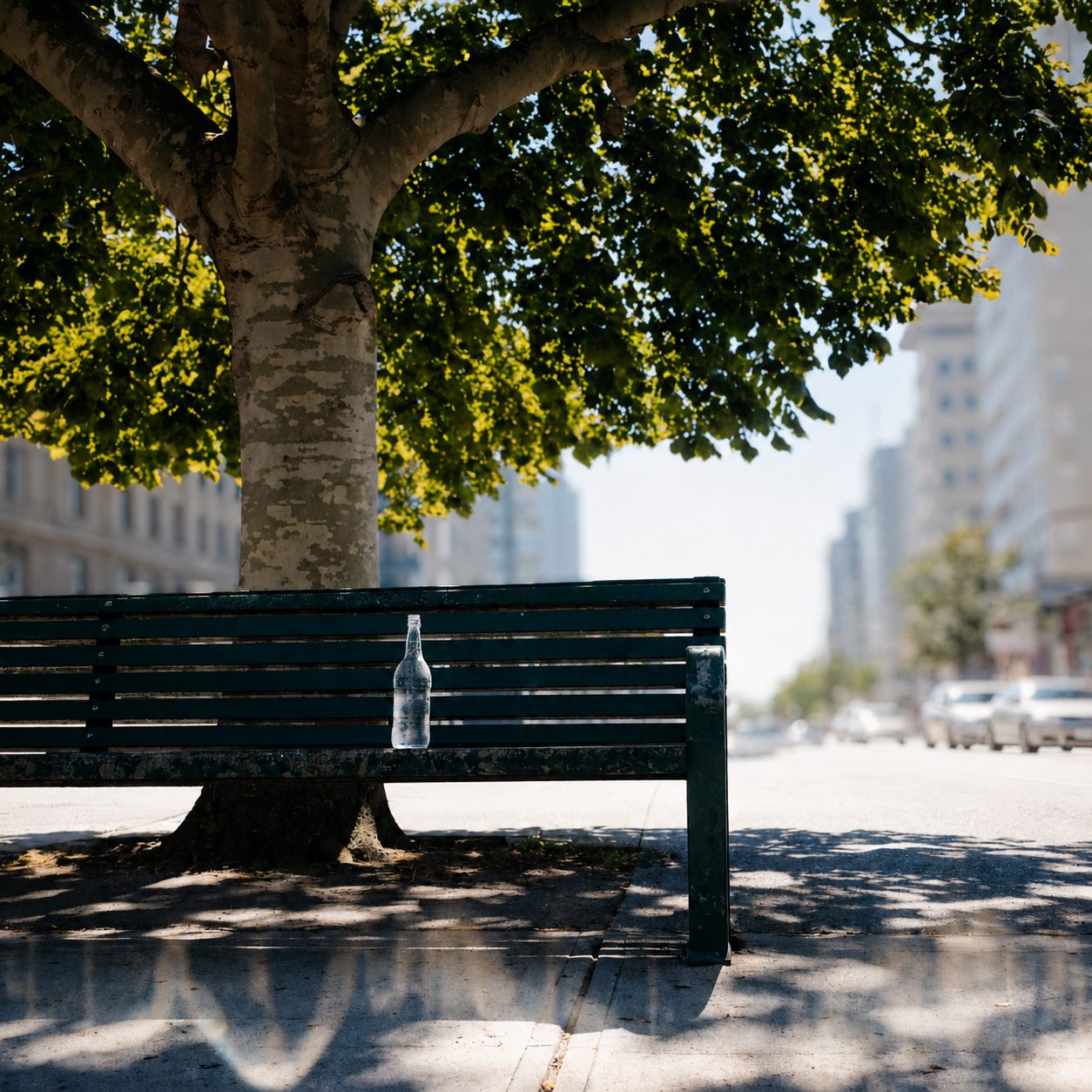
The sun is a weapon between late morning and mid-afternoon. During these hours, the angle of solar radiation is most direct, and surfaces like asphalt and concrete absorb and re-radiate heat, creating an urban oven that can be ten to fifteen degrees hotter than the official forecast. If you live in a city, treat this window as indoor time. Schedule grocery runs, appointments, and exercise for early morning or after sunset. When you must go out, walk on the shaded side of the street, cut through air-conditioned buildings when possible, and never stand still on sun-baked pavement—the heat rises from below as aggressively as it beats down from above.
Dress for Thermodynamics, Not Fashion
Your clothing is either a heat trap or a cooling device. Light-colored, loose garments made from natural fibers like cotton or linen reflect radiation and allow air to move across the skin, which is essential for evaporative cooling. Dark, tight, synthetic fabrics do the opposite—they absorb heat and block sweat from evaporating, which is the single most important way your body sheds excess warmth. A wide-brimmed hat is not a style choice in extreme heat; it is a portable shade structure that reduces the radiant load on your head and neck by nearly fifty percent.
Eat to Lower Your Internal Temperature
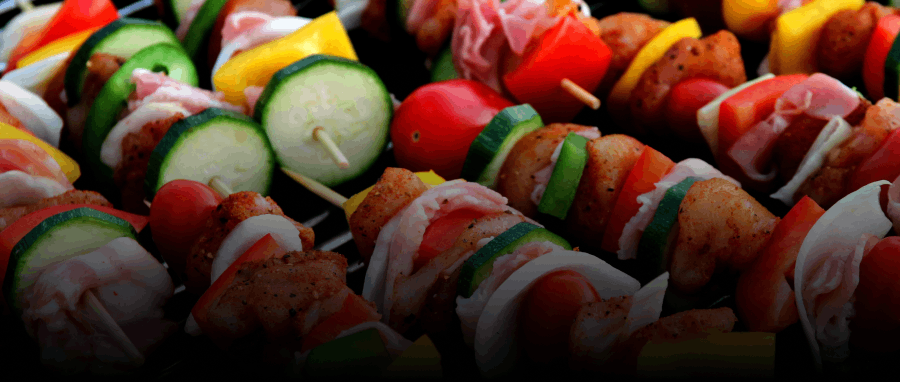
Food generates heat during digestion, a process called thermogenesis. Heavy, fried, and protein-dense meals force your body to work harder and produce more internal warmth exactly when it needs to be cooling down. Shift toward water-rich, plant-based foods during heat waves. Cucumbers, melons, leafy greens, and fresh fruits require less digestive effort and contribute fluid directly to your system. Small, frequent meals are far better than large plates that spike your metabolic heat output.
The Cold Compress Strategy That Actually Works
When overheating strikes, placement matters. Applying something cold to your forehead feels pleasant but does little to lower your core temperature. The real targets are the pulse points where blood vessels run close to the surface: the sides of the neck, the inner wrists, the armpits, and the groin. A cool, wet cloth or ice pack held against these areas for ten to fifteen minutes accelerates heat loss from the blood as it circulates back toward the heart and brain. This is the same principle used by athletes and military medics, and it works in your living room just as well.
Create a Cool Zone at Home
You do not need air conditioning to survive a heat wave, though it certainly helps. Close curtains or reflective blinds on sun-facing windows before the heat builds, ideally by mid-morning. Open windows on opposite sides of your home in the evening to create cross-ventilation that flushes accumulated warmth. If you have a fan, place a shallow bowl of ice water in front of it; the air passing over the cold surface creates a localized cooling zone that can drop the perceived temperature by several degrees. Sleep in the lowest room of your home if possible, since heat rises and basements or ground floors stay naturally cooler.
Know When to Seek Help
There is a line between self-care and medical emergency. If someone shows signs of confusion, loses consciousness, or stops sweating despite extreme heat, call for emergency assistance immediately. While waiting, move the person to the coolest available location, remove excess clothing, and apply cold packs to the neck, armpits, and groin. Do not give fluids to an unconscious person. These minutes matter; rapid cooling can mean the difference between full recovery and permanent organ damage.
Extreme heat is not a character test. It is a physical hazard that demands respect and preparation. The people who survive it best are not the toughest—they are the ones who understand their own biology and adapt their behavior before the thermometer forces them to.