
Parents have faced the challenge of feeding children since the first human family gathered around a fire, yet the concept of food specifically designed for kids is a surprisingly modern invention. Kids’ food as a distinct category emerged during the Industrial Revolution, when urbanization separated families from agricultural rhythms and manufactured products began replacing home-prepared meals. Before this shift, children simply ate smaller portions of whatever the family consumed.
Several distinct categories define modern kids’ food. Finger foods like chicken nuggets, fish sticks, and mini meatballs dominate because they align with developmental motor skills and the natural urge to feed oneself. Shaped and colorful presentations — dinosaur sandwiches, star-cut fruits, and rainbow vegetable arrangements — leverage visual appeal to overcome resistance. Dips and sauces transform neutral ingredients into interactive experiences, with hummus, yogurt-based ranch, and mild ketchup serving as bridges to unfamiliar flavors. Breakfast cereals, fortified with vitamins and often brightly colored, represent one of the most successful categories of food specifically engineered for children. Some historical forms have faded. The heavily salted and sugared puddings of Victorian nurseries, designed to fatten children quickly, have been replaced by concerns about obesity and diabetes. Cod liver oil, once forced upon children as a universal tonic, survives only in ironic nostalgia. The predecessor to all modern kids’ food was simply the family meal scaled down, a practice that continues in many cultures where separate children’s menus remain uncommon.
Extremes capture global attention. The largest kids’ meal ever assembled was created for a charity event in the United States, featuring thousands of individually plated child-sized portions arranged into a mosaic. At the intimate end, Japanese bento culture elevates single lunchboxes into miniature art galleries, with mothers crafting elaborate scenes from rice, seaweed, and vegetables that children consume with delight. The smallest functional kids’ food portions, measured in grams for infants, require precision that would have astonished previous generations.
Global impact is measured in billions. The children’s food and beverage market reached approximately USD 142 billion in 2025, with projections climbing steadily as birth rates in developing nations rise and disposable incomes increase. What began as a practical necessity has evolved into a sophisticated industry employing child psychologists, flavor scientists, and marketing experts who understand that today’s toddler becomes tomorrow’s loyal consumer.
Symbolically, kids’ food has shifted from sustenance to expression of parental love. Where ancient parents simply ensured survival, modern caregivers curate Instagram-worthy plates that signal attention, creativity, and middle-class status. What changed most profoundly is anxiety. Previous generations worried primarily about quantity; contemporary parents navigate a labyrinth of allergies, organic certifications, sugar content, and screen-time associations with meals. From shared hearth to individually plated dinosaur sandwiches, kids’ food continues evolving, proving that the simple act of feeding a child carries more cultural weight than any nutritional label can capture.
Creative Food Ideas for Kids
Getting children excited about eating often requires thinking beyond the standard plate. These original ideas transform everyday ingredients into engaging experiences that encourage exploration without pressure.
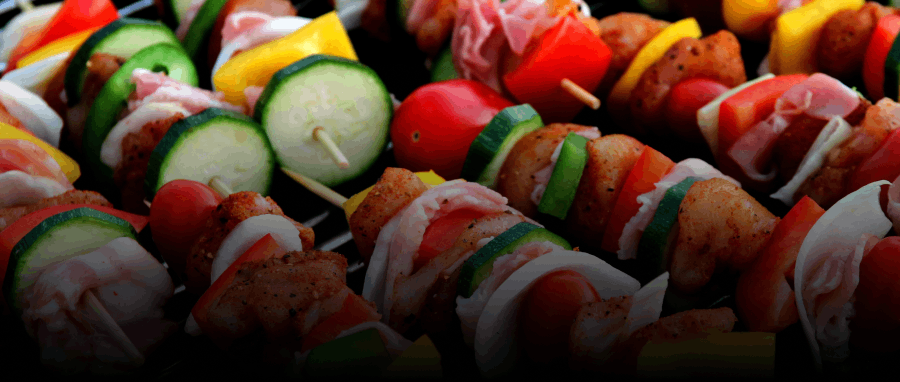
Rainbow Veggie Wands — Thread cherry tomatoes, cucumber slices, bell pepper chunks, and cheese cubes onto short wooden skewers. Serve with a side of hummus “magic potion” for dipping. The handheld format appeals to independence, while the color sequence introduces variety without overwhelming.
Animal Face Toast — Spread whole-grain toast with cream cheese or nut butter, then use banana slices for eyes, strawberry wedges for ears, and blueberry halves for a nose. Children can assemble their own creatures, turning breakfast into a brief art project.
Frozen Yogurt Bark — Mix Greek yogurt with a drizzle of honey and spread thinly on a parchment-lined baking sheet. Scatter with chopped berries, granola, and mini chocolate chips. Freeze until solid, then break into irregular pieces. The cold, crunchy texture satisfies dessert cravings while delivering protein and fruit.
Mini Pancake Skewers — Cook silver-dollar-sized pancakes and thread three onto each skewer, alternating with fresh fruit. Serve with a small pitcher of maple syrup for drizzling. The miniature scale feels special, and the interactive element slows down eating.
Hidden Veggie Muffins — Blend spinach or carrots into standard muffin batter before baking. The vegetables disappear into the crumb while adding moisture and nutrients. These freeze well and work as quick snacks or lunchbox additions.
DIY Taco Bowls — Set out small bowls of rice, black beans, shredded chicken, cheese, and mild salsa. Let children build their own combinations in personal bowls. The autonomy reduces resistance, and the assembly process extends the meal in ways that encourage mindful eating.
Butterfly Quesadillas — Fold a small tortilla in half with cheese inside, then cut into wing shapes after cooking. Use cherry tomato halves and cucumber slices for the body and antennae. Serve with guacamole for dipping.
Smoothie Popsicles — Blend banana, frozen berries, and a splash of orange juice, then pour into popsicle molds. These deliver fruit servings in a format that feels like a treat rather than a chore.