
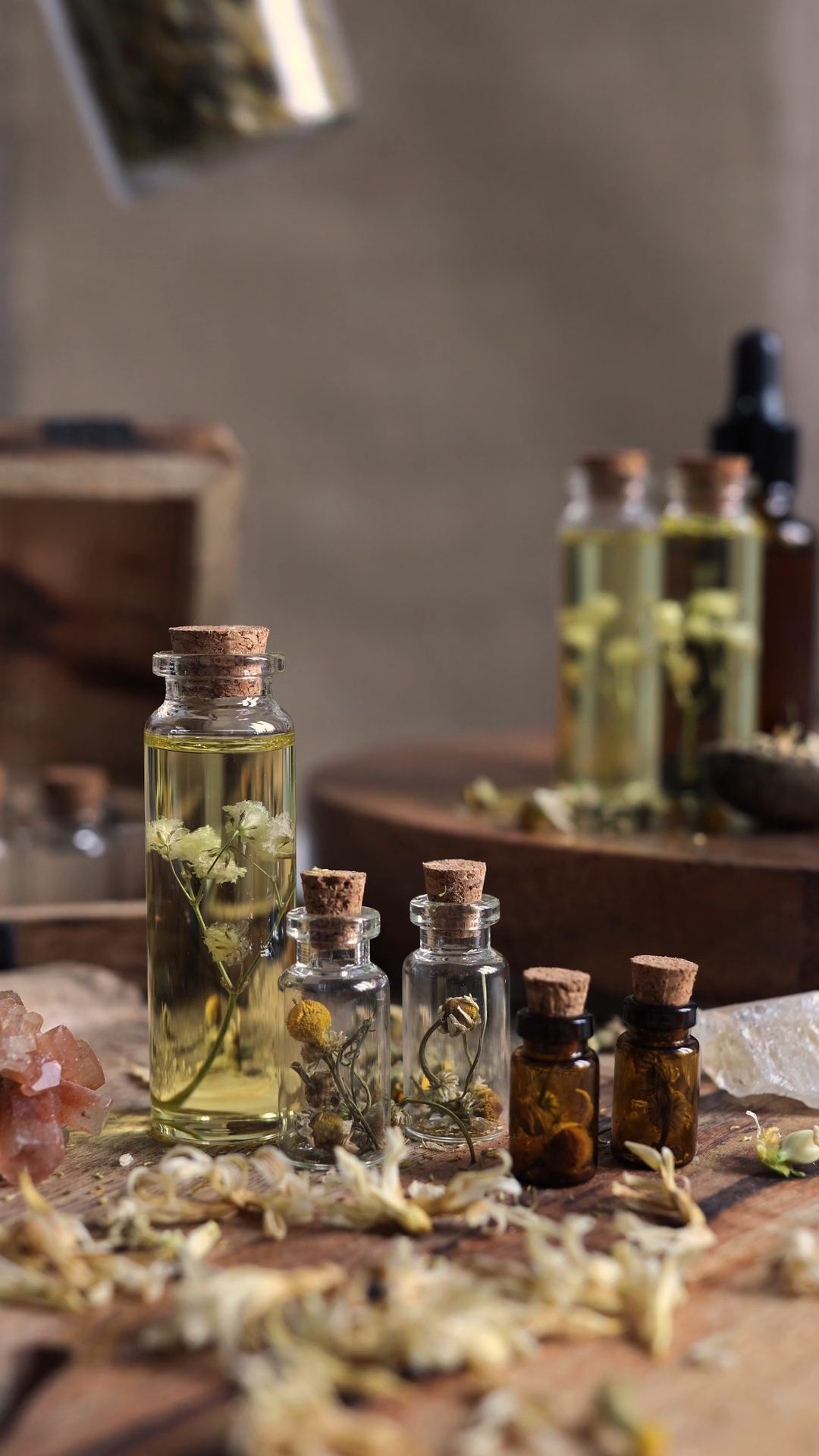
Exploring the World of Herbs and Tinctures: Nature’s Remedies –
Herbs and tinctures have been utilized for centuries as natural remedies, playing a crucial role in traditional medicine across various cultures. These plant-based solutions are celebrated not only for their healing properties but also for promoting overall well-being. In this article, we will delve into what herbs and tinctures are, their benefits, and a few popular examples that can enhance your health and wellness.
Understanding Herbs
Herbs are plants valued for their medicinal, aromatic, or culinary properties. They can be categorized as culinary herbs, which are used for flavoring food, and medicinal herbs, which offer health benefits. Many herbs contain bioactive compounds, making them effective in supporting various bodily functions. From soothing digestive issues to enhancing mental clarity, different herbs cater to an array of health concerns.
Common Medicinal Herbs:
Peppermint (Mentha piperita): Known for its refreshing aroma, peppermint is often used to ease digestive issues such as bloating, gas, and indigestion. Its soothing properties can also alleviate headaches when applied topically.
Chamomile (Matricaria chamomilla): This gentle herb is renowned for its calming effects. Chamomile tea is commonly consumed to relieve anxiety and promote sleep, making it a go-to remedy for those struggling with insomnia or stress.
Echinacea (Echinacea purpurea): Often used during cold and flu season, Echinacea is believed to boost the immune system. Studies suggest that it may reduce the duration and severity of respiratory infections.
Turmeric (Curcuma longa): With its vibrant yellow color, turmeric is famed for its anti-inflammatory properties, largely attributed to curcumin. It supports joint health and may aid in managing conditions like arthritis.
Ashwagandha (Withania somnifera): Known as an adaptogen, ashwagandha helps the body adapt to stress and maintain balance. It’s often used to enhance mood, boost energy, and improve overall vitality.
What Are Tinctures?
Tinctures are concentrated herbal extracts made by soaking herbs in alcohol or vinegar. This process extracts the active compounds from the plant material, resulting in a potent liquid that retains the herb’s beneficial properties. Tinctures are easy to use; a few drops can be added to water, tea, or taken directly. They provide a longer shelf life compared to fresh herbs, making them a convenient option for herbal enthusiasts.
Benefits of Tinctures:
Potency: Tinctures are more concentrated than teas or infusions, allowing you to benefit from the therapeutic properties of herbs without needing to consume large quantities.
Quick Absorption: Since tinctures are liquid, they are absorbed more rapidly by the body, providing quicker relief for various ailments.
Convenience: They do not require brewing time like herbal teas, making tinctures a quick and effective option for on-the-go health support.
Versatility: Tinctures can be made from a wide variety of herbs, allowing for personalized blends tailored to specific health needs.
Popular Tinctures and Their Uses:
Valerian Root Tincture: Often used to promote relaxation and improve sleep quality, valerian root tincture is a favored natural remedy for insomnia and anxiety.
Ginseng Tincture: Known for its energy-boosting properties, ginseng tincture can help enhance mental performance and reduce fatigue.
Milk Thistle Tincture: This tincture is celebrated for its benefits to liver health, offering a natural way to support liver detoxification and overall functionality.
Hawthorn Berry Tincture: Known for its cardiovascular benefits, hawthorn berry tincture supports heart health by improving circulation and lowering blood pressure.
St. John’s Wort Tincture: Often used for mood enhancement, this tincture may help alleviate mild to moderate depression and reduce anxiety.
Herbs and tinctures represent a beautiful intersection of nature and health, offering an array of benefits that cater to various physical and emotional needs. Incorporating these natural remedies into your wellness routine can foster a deeper connection with the healing properties of plants. However, it’s essential to consult with a healthcare professional before introducing new herbs or tinctures into your regimen, especially if you are pregnant, nursing, or taking medications. With the right knowledge and application, herbs and tinctures can empower you on your journey toward enhanced well-being and vitality.