
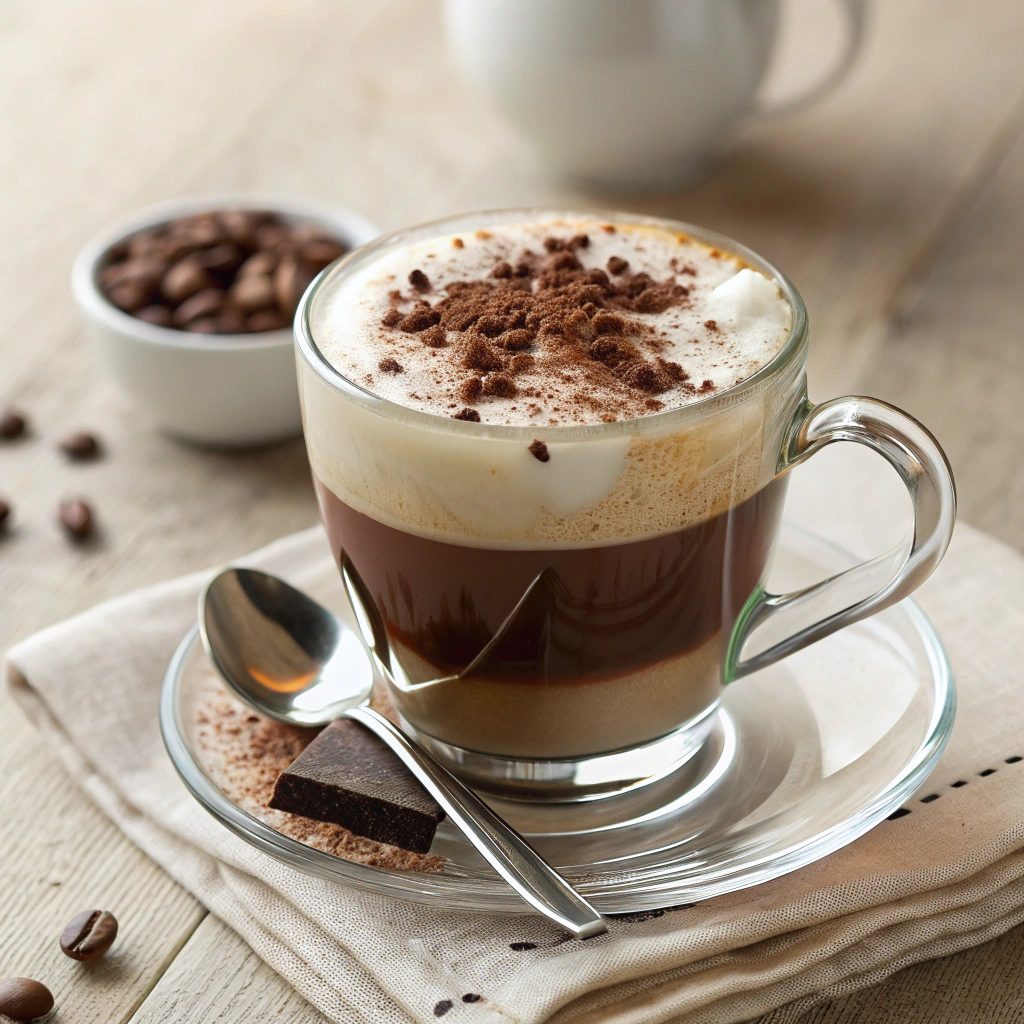
For coffee enthusiasts, the term “Mocha” has long sparked confusion. Historically, coffee names often referenced the region where the beans were first cultivated. Over time, however, these designations were used more loosely, sometimes applying to beans grown far from their original locations. Mocha coffee is a prime example of this.
True Mocha coffee comes from Coffea arabica plants cultivated near the Yemeni port city of Mocha. This coffee is celebrated for its distinctive medium-to-full body, lively acidity, and notably, its lingering chocolate-like undertones, even though no chocolate is added. Its unique flavor profile has inspired modern mocha beverages that mix coffee and cocoa, as well as specialty Mocha ice creams.
Genuine Mocha beans are rare and highly valued, often considered a premium coffee despite not being classified as estate coffee. Historically, it was one of the first coffees introduced to Europe, setting the standard for early coffee culture. Unfortunately, this popularity led to other beans being mislabeled as “Mocha,” including some grown in the West Indies during the 17th and 18th centuries.
Coffee’s characteristics are deeply influenced by its growing conditions. Soil composition, elevation, and climate shape its aroma, flavor, and body. Mocha coffee, for instance, is prized for its rich, full-bodied taste and complex notes, which cannot be replicated by nearby Ethiopian varieties.
Traditional Mocha coffee is grown on terraced farms between 3,000 and 7,000 feet above sea level. Seedlings are carefully nurtured in nurseries before transplanting, allowing the plants to thrive in Yemen’s high-altitude, arid environment. Due to limited rainfall, irrigation systems provide steady moisture, helping produce beans that are unusually small, dense, and firm. Their colors range from pale green to yellow, and the beans yield a coffee described as nutty, fruity, and slightly spicy.
The region’s challenging terrain and minimal infrastructure make Mocha coffee cultivation labor-intensive. Beans are often transported by donkeys from remote valleys, and modern fertilizers are rarely used, resulting in an organically grown product. This traditional, hands-on method contributes to Mocha coffee’s distinctive flavor and maintains its status as a historic and iconic coffee variety.
Whether sipped as a simple black coffee or blended into a creamy mocha latte, this coffee remains a symbol of tradition, quality, and timeless taste.