Some nights demand dinner that satisfies without exhausting. Three-pepper pasta answers that call—delivering vibrant color, substantial comfort, and genuine nutrition through simple technique. This dish proves that limited time need not mean limited flavor, transforming basic pantry staples into something worth gathering around.
The appeal lies in contrast. Sweet peppers soften and caramelize, their natural sugars concentrating against tangy accents. Pasta provides familiar canvas, while melted cheese creates irresistible topping. The result lands somewhere between rustic Italian tradition and practical modern cooking: impressive enough for weekend guests, straightforward enough for Tuesday exhaustion.
Two approaches follow. The first bakes everything together, creating cohesive casserole with golden crust. The second keeps components fresher, lighter, suited for warmer evenings or advance preparation. Both celebrate the essential trio of red, yellow, and green peppers—that chromatic harmony signaling both nutritional diversity and visual appetite.
BAKED THREE-PEPPER PASTA WITH SMOKED GOUDA
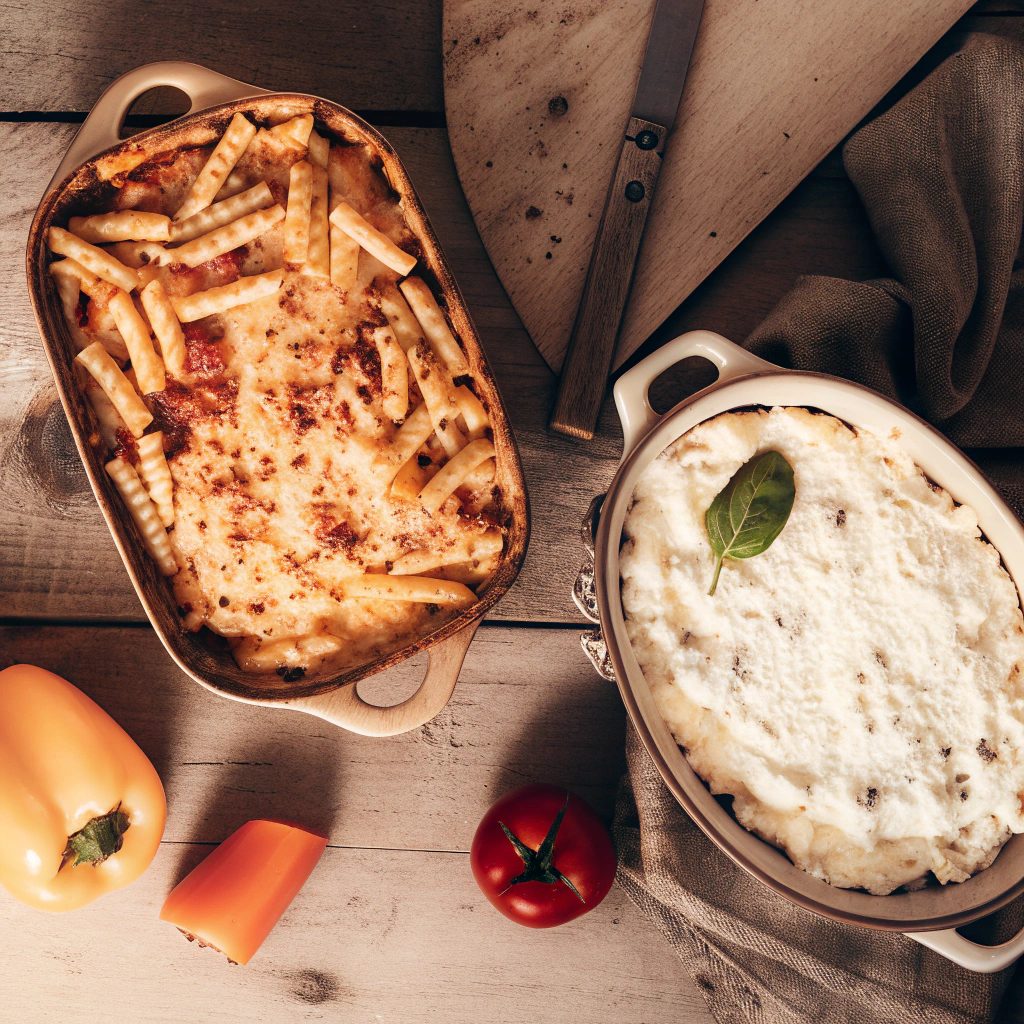
This method creates unified casserole with developed flavors and irresistible cheesy crown. The oven transforms individual components into cohesive dish with textural contrast between creamy interior and browned surface.
Ingredients (Serves 4–6):
- 1 pound rigatoni or ziti pasta
- 1 large red bell pepper
- 1 large yellow bell pepper
- 1 large poblano pepper
- 1 medium sweet onion
- 3 tablespoons avocado oil
- 14 ounces crushed fire-roasted tomatoes
- 2 tablespoons red wine vinegar
- 1 teaspoon smoked paprika
- 1 teaspoon dried marjoram
- ½ teaspoon crushed fennel seeds
- ¾ teaspoon sea salt
- 6 ounces smoked Gouda cheese, shredded
- 4 ounces cream cheese, cubed
Preparation:
Bring large pot of salted water to boil. Cook pasta two minutes shy of package timing—it continues cooking in oven. Drain and transfer to buttered 9×13 baking dish.
While pasta boils, core and slice all peppers into half-inch strips. Halve onion and slice into similar strips. Heat avocado oil in wide skillet over medium-high flame until shimmering. Add peppers and onion, stirring occasionally until edges char slightly and vegetables soften—twelve to fifteen minutes. You want tender-crisp texture, not mush.
Add crushed tomatoes, red wine vinegar, smoked paprika, marjoram, fennel seeds, and sea salt. Simmer five minutes until sauce thickens slightly and flavors marry. Pour entire mixture over pasta in baking dish, tossing thoroughly to distribute peppers throughout.
Dot cubed cream cheese across surface, then scatter shredded smoked Gouda evenly. Broil six inches from heat source until cheese bubbles and develops golden-brown spots—three to five minutes depending on broiler strength. Serve immediately, warning diners of hot casserole dish.
FRESH THREE-PEPPER PASTA WITH RICOTTA
This stovetop version maintains brighter vegetable character and lighter overall impression. Room-temperature ricotta creates creamy coating without heavy baking, ideal for summer evenings or meal-prepped lunches.
Ingredients (Serves 4):
- 12 ounces orecchiette or farfalle pasta
- 1 large orange bell pepper
- 1 large red bell pepper
- 1 large Anaheim pepper
- 4 scallions
- 2 tablespoons extra-virgin olive oil
- 1 pint cherry tomatoes, halved
- 2 tablespoons white wine vinegar
- 1 tablespoon fresh thyme leaves
- ½ teaspoon Aleppo pepper or mild chili flakes
- ½ teaspoon celery salt
- 1 cup whole milk ricotta cheese
- ¼ cup toasted pepitas (pumpkin seeds)
- Fresh basil leaves for garnish
Preparation:
Boil pasta in well-salted water until al dente. Reserve one cup cooking liquid before draining. Return pasta to pot off-heat.
Meanwhile, core and dice all peppers into half-inch pieces. Slice scallions, separating white and green portions. Warm olive oil in large skillet over medium heat. Add pepper dice and scallion whites, sautéing eight minutes until softened and slightly browned at edges.
Add halved cherry tomatoes, white wine vinegar, fresh thyme, Aleppo pepper, and celery salt. Cook three minutes until tomatoes just begin collapsing. Remove from heat.
Add ricotta cheese to warm pasta along with reserved cooking liquid, stirring vigorously to create creamy coating. Fold in pepper-tomato mixture from skillet. The residual heat gently warms ricotta without causing separation.
Transfer to serving bowl. Scatter scallion greens, toasted pepitas, and torn fresh basil across top. Finish with additional drizzle of good olive oil and fresh cracked black pepper.
SERVING SUGGESTIONS AND VARIATIONS
Both preparations accommodate endless adaptation. The baked version partners beautifully with simple green salad and crusty bread for complete comfort meal. The fresh version welcomes grilled sausage or shrimp alongside for added protein.
Consider these modifications based on preference and availability:
- Substitute jarred roasted peppers for fresh when time presses—simply drain and slice
- Add chopped kalamata olives or capers for briny contrast against sweet peppers
- Replace smoked Gouda with fontina or Gruyère in baked version for different melting character
- Stir wilted spinach or arugula into either version for green vegetable boost
- Use pipe rigate or casarecce pasta shapes to capture sauce in ridges and hollows
For advance preparation: baked version assembles completely, covers, and refrigerates up to twenty-four hours before final broiling. Add five minutes to broiling time if starting from cold. Fresh version keeps components separate—pepper mixture and ricotta coating prepared ahead, combined with freshly cooked pasta at service.
Three-pepper pasta demonstrates how strategic ingredient combination elevates humble components. The peppers provide more than decoration—their sweetness, slight bitterness, and varied textures create genuine complexity. Proper technique, whether slow oven-baking or quick stovetop sautéing, maximizes these qualities.
The dish welcomes interpretation. Strict traditionalists might insist on specific pepper varieties or cheese combinations, but practical cooks recognize flexibility as virtue. What matters is balance: acid cutting richness, smoke complementing sweetness, texture varying between soft and resistant.
Master this template and you possess foundation applicable across seasons. Autumn brings roasted root vegetable variations. Winter welcomes hearty greens and sausage additions. Spring suggests asparagus and pea substitutions. The three-pepper foundation—red, yellow, green against pasta canvas—remains constant even as details shift, providing reliable deliciousness whenever cooking inspiration strikes.