
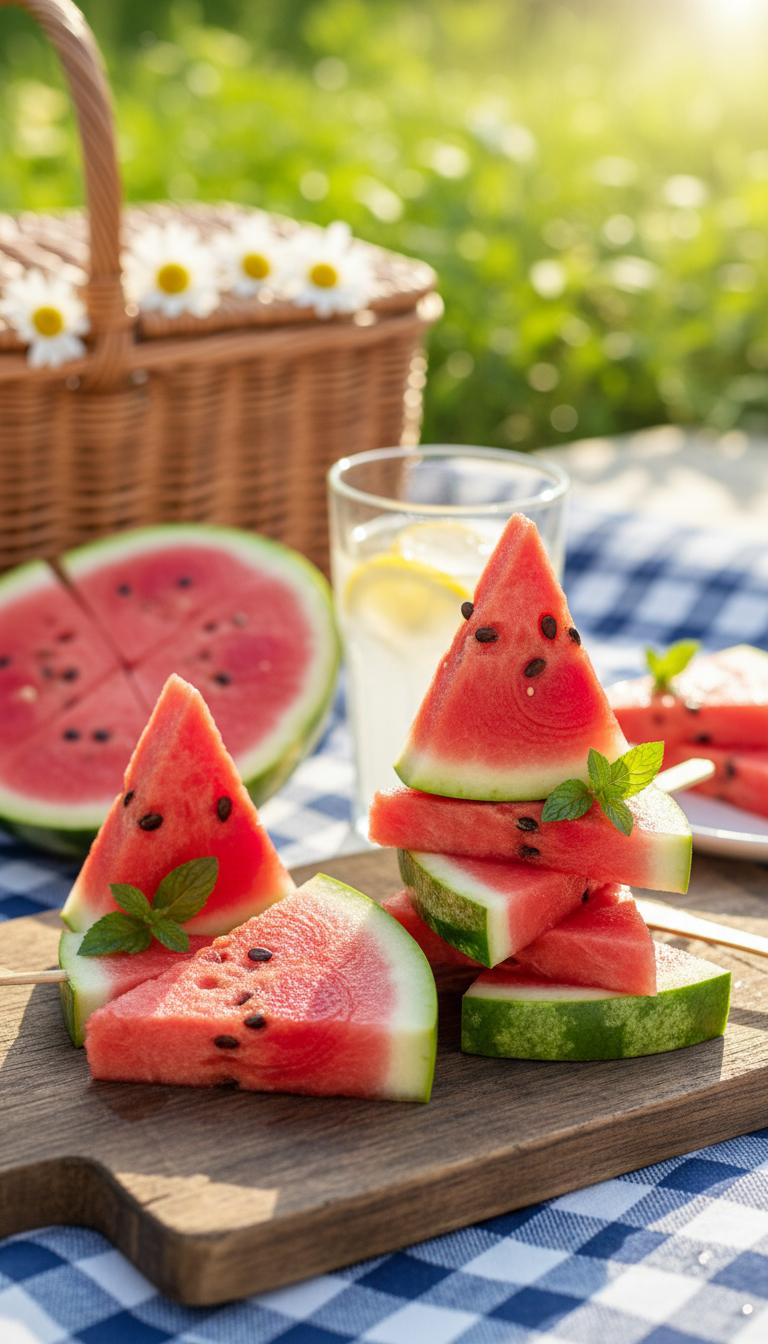
If you think the watermelon is just a picnic accessory, you are underestimating it by several thousand years. This fruit is older than the pyramids, heavier in symbolism than most religions, and has traveled farther than many explorers.
The watermelon’s true home is the Kalahari Desert in Africa. Botanists believe it was first cultivated over five thousand years ago, not as a sweet treat but as a water source. In a landscape where rivers disappear, a fruit that is 92 percent water was literal survival. Ancient Egyptian tombs tell the rest of the story. Seeds and paintings have been found in burial chambers dating to around 1350 BC. For the Egyptians, the fruit symbolized fertility and rebirth. The red flesh represented the heart; the abundant seeds, life continuing.
The fruit reached Europe slowly. Arab traders carried it across the Mediterranean, and the Moors introduced it to Spain and Italy during the medieval period. By the 1600s, it had spread across warmer Europe, though it remained a luxury. Renaissance painters often included it in still-life compositions to represent the fleeting nature of earthly pleasure.
Symbolically, the watermelon carries weight across cultures. In China, it represents abundance and is a traditional gift during the Lunar New Year. In Vietnam, it is a New Year altar centerpiece, its red flesh symbolizing good luck. In the American South, it became a symbol of summer freedom, though modern communities have reclaimed it as a celebration of heritage.
What do we make from it? Beyond the classic wedge, watermelon now appears in savory salads with feta and mint, blended into gazpacho, grilled like steak, and juiced into cocktails. The rind, once thrown away, is candied in China, stir-fried in India, and pickled across the American South. Even the seeds are roasted and salted in the Middle East. Nothing is wasted anymore, which is a return to older wisdom.
Is it actually healthy? Yes, but with a caveat. A cup of diced watermelon contains only 46 calories and is one of the best natural sources of lycopene — the same antioxidant found in tomatoes — plus citrulline, an amino acid that may help relax blood vessels. However, its glycemic index is surprisingly high, meaning the sugar hits quickly. Diabetics should treat it as a treat, not unlimited hydration.
Storage is where most people ruin a good watermelon. A whole, uncut watermelon can sit at room temperature for up to two weeks without losing flavor. Refrigeration before cutting can dull the taste. Once sliced, it belongs in the fridge, wrapped tightly, and eaten within three to four days. The common mistake? Storing a half-cut watermelon uncovered. It absorbs odors from garlic and onions faster than you would believe.
What has changed? Ancient watermelons were smaller, harder, and filled with bitter seeds. Modern breeding gave us the seedless varieties that now dominate supermarkets, though some argue the flavor suffered. Japan took a different path, growing square watermelons in glass boxes so they fit neatly in refrigerators — a perfect symbol of convenience over taste. And like many fruits, the watermelon is now a year-round product, shipped from Mexico, Turkey, and Brazil to satisfy winter cravings. The result is the same: a January watermelon looks perfect and tastes like damp paper.
Still, when July arrives and the market stacks them on hay bales, the watermelon becomes what it always was. A relief from heat. A symbol of abundance. A messy, dripping, joyful reminder that some things are meant to be eaten with your hands, juice running down your wrists.