
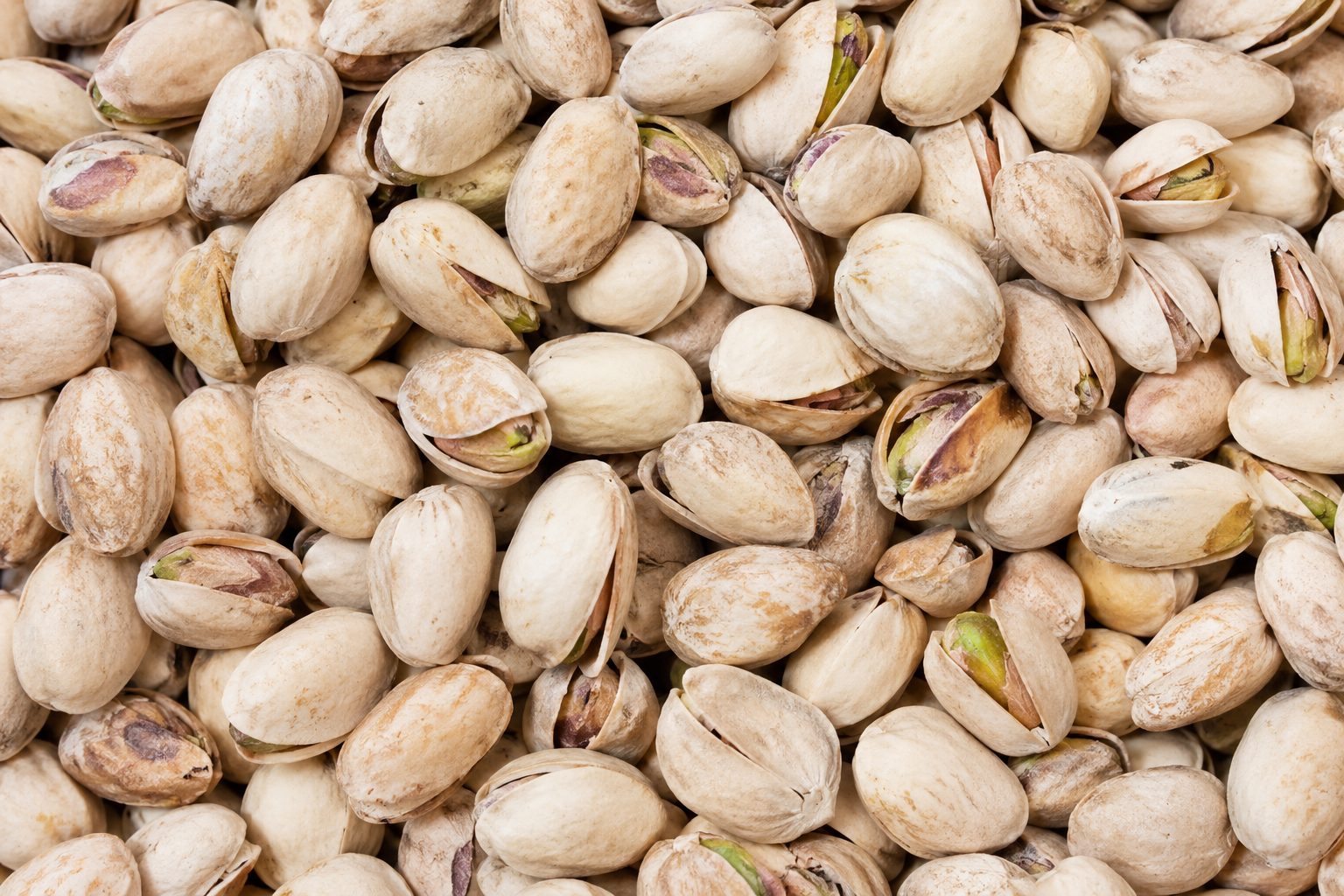
Pistachios rarely get the spotlight they deserve. Almonds steal the protein conversation, walnuts dominate the brain-health discussion, and cashews win on creaminess. Yet the humble pistachio—small, vibrantly green, and slightly sweet—delivers a nutritional profile that rivals them all. Eaten mindfully, this little nut can support your heart, sharpen your vision, steady your blood sugar, and even help you manage your weight.
Here is what actually happens inside your body when you make pistachios a regular part of your diet.
Your Blood Pressure Finds a Natural Ally Pistachios are one of the best nut sources of potassium, a mineral that acts like a counterweight to sodium. When potassium levels are adequate, blood vessel walls relax, which helps keep blood pressure from creeping upward. For people who consume too much processed food—and therefore too much sodium—adding a small handful of pistachios creates a gentle balancing effect that takes pressure off the cardiovascular system over time.
Oxidative Stress Meets Its Match The green and purple hues of pistachios are not just for show. Those colors signal the presence of lutein, zeaxanthin, and anthocyanins, potent antioxidants that patrol the body for free radicals. Left unchecked, free radicals damage cells and fuel chronic inflammation. By neutralizing them, the antioxidant compounds in pistachios help protect tissues throughout the body, including the delicate lining of blood vessels.
Cholesterol Levels Trend in the Right Direction Despite being a fatty food, pistachios have a surprising ability to improve lipid profiles. They contain phytosterols, plant compounds that block some cholesterol absorption in the gut, and their fiber content helps shuttle excess cholesterol out of the body. Studies consistently show that regular pistachio consumption can lower LDL cholesterol while either maintaining or slightly boosting the protective HDL variety. The key is sticking to an unsalted, unroasted handful rather than the oil-fried, heavily seasoned versions.
Your Eyes Get Long-Term Protection The same carotenoids that give pistachios their color—lutein and zeaxanthin—accumulate in the retina, where they act like internal sunglasses. They filter out harmful high-energy blue light and protect against oxidative damage that contributes to age-related vision decline. Think of a daily serving of pistachios as a small deposit into your long-term eye health account.
Blood Sugar Stays Steadier Pistachios carry a low glycemic load and offer an excellent ratio of protein, healthy fats, and fiber. When eaten alongside a carbohydrate-rich meal, they slow digestion and blunt the post-meal blood sugar spike. This makes them an especially smart snack for anyone monitoring glucose levels. The protein and fiber also extend satiety, which naturally curbs the urge to overeat later.
Weight Management Becomes Easier Because pistachios are typically eaten in-shell, they force you to slow down. That slower pace gives your brain time to register fullness before you have overdone it. The shell itself becomes a visual cue: the growing pile of empty shells reminds you how much you have already eaten, a subtle but effective portion-control mechanism that few other snacks offer.
How to Eat Them for Maximum Benefit The healthiest pistachio is the simplest one: dry-roasted or raw, unsalted, still in its shell. A typical serving is about one ounce, or roughly forty-nine kernels. Add them to oatmeal, crush them over roasted vegetables, or blend them into a homemade pesto. Avoid varieties coated in sugar, excessive salt, or artificial flavorings, which cancel out many of the natural advantages.
You do not need to overhaul your entire diet. Just a small, intentional handful a few times a week is enough to let this nutrient-dense nut do its work.