
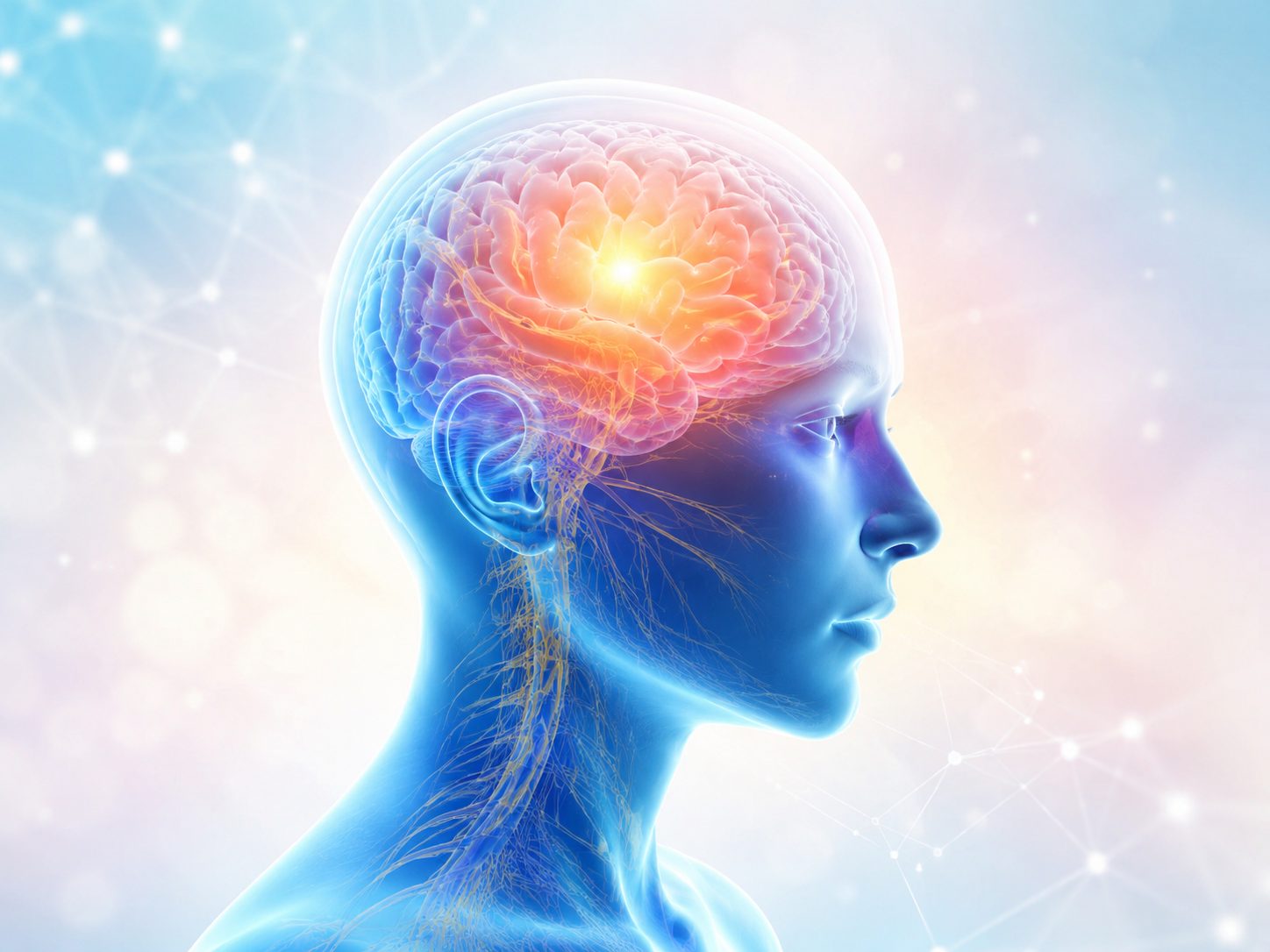
Your brain is not a machine that slowly rusts with age. It is a living, shifting network that rebuilds itself every single day based on how you live. The idea that mental sharpness inevitably fades is a myth. What actually determines your cognitive future is not your birthday. It is the collection of small choices you repeat before breakfast, during lunch, and in the hour before sleep.
Neuroscience now shows that the brain remains plastic throughout life. It can grow new connections, strengthen existing ones, and clear out waste that would otherwise cloud your thinking. But this renewal does not happen by accident. It responds directly to the signals you send it through movement, food, rest, and attention.
Here are ten daily rituals that tell your brain to stay alert, adaptable, and strong.
Move Like You Mean It You do not need to run marathons. A twenty-minute brisk walk, a dance session in your kitchen, or a few sets of bodyweight squats all increase blood flow to the cortex. More blood means more oxygen and glucose reaching the very tissues that handle memory and decision-making. The key is to do it daily, not perfectly. Consistency is the signal your brain listens for.
Guard Your Sleep Like a Secret Sleep is not a passive break. It is an active repair cycle. During deep sleep, your brain shrinks certain cells to flush out metabolic waste through the glymphatic system. It also converts short-term memories into long-term storage. Missing even an hour or two regularly does not just make you groggy. It accelerates the buildup of proteins linked to cognitive decline. Treat your bedtime as a hard appointment.
Eat Color First Your brain is nearly two-thirds fat, and it needs high-quality building blocks to maintain the cell membranes that let neurons talk to each other. Prioritize wild-caught fish, walnuts, flax, and olive oil for their omega-3 content. Then pile your plate with deeply colored plants. Blueberries, spinach, beets, and peppers deliver antioxidants that act like rust protection for brain tissue. If your plate looks beige, your brain is missing out.
Learn Something That Embarrasses You Neuroplasticity thrives on struggle. When you are bad at something new—whether it is a language, a musical instrument, or a complex card game—your brain is forced to lay down fresh pathways. The discomfort of incompetence is actually the feeling of your mind expanding. Pick one skill that makes you feel clumsy and practice it for fifteen minutes a day.
Talk to Humans in Real Time Text messages do not count. Face-to-face conversation, or even a voice call, forces your brain to process tone, emotion, and social nuance in real time. This activates regions responsible for empathy, language, and complex reasoning. Loneliness is not just sad. It is a cognitive risk factor. Make eye contact, tell stories, laugh out loud. Your prefrontal cortex needs the workout.
Breathe Like You Are Trying to Change Your Chemistry Because you are. Chronic stress floods the brain with cortisol, which damages the hippocampus over time—the very structure you need for memory. Five minutes of slow, deliberate breathing, or a short meditation practice, lowers this hormonal load. You are not just relaxing. You are protecting your hippocampus from erosion.
Read Things That Cost Attention Scrolling through headlines trains your brain for distraction. Reading a long article, a novel, or a thoughtful essay trains it for sustained focus. This ability to hold an idea across thousands of words is one of the most powerful cognitive exercises available, and it requires no equipment. Fight the urge to skim. Let your mind follow a single thread for at least twenty minutes.
Touch Grass Daily Exposure to green spaces lowers cortisol and restores your brain’s ability to direct attention. You do not need a mountain retreat. A park bench, a garden path, or a neighborhood tree canopy will do. The sensory variety of nature—breeze, bird calls, shifting light—gives your mind a break from the rigid geometry of screens and walls. Twenty minutes outside is enough to reset your focus.
Protect Your Brain From Fake Energy Caffeine and alcohol are convenient, but both alter sleep architecture and neurotransmitter balance when overused. A morning coffee is fine. Three afternoon coffees and a nightly glass of wine are not. Your brain needs stable chemistry to consolidate memories and generate new cells. Treat these substances as occasional guests, not permanent roommates.
Question Your First Thought Pessimism is a habit, not a personality. When you automatically assume the worst, you train your brain to scan for threats and limit creative problem-solving. Deliberately practicing gratitude and reframing negative events builds cognitive flexibility. Your inner dialogue shapes your neural wiring. Make it a conversation worth listening to.
None of these rituals are dramatic. They will not trend on social media, and they do not require expensive gear. But practiced together, day after day, they create an internal environment where your mind can stay clear, quick, and resilient for decades longer than most people expect.