
Most of us don’t stand in a paint store thinking about psychology. We think about light, about whether a room feels cold in winter, about how something might look at sunset. And yet, long after the paint dries, the colors we live with begin to shape us in quiet, almost invisible ways.
Interior color is not decoration alone. It’s mood, memory, intention. The shades you return to every evening influence how you rest, how you focus, how open or protected you feel. Over time, they become a reflection of how you move through the world — and what you need from it.
Some homes feel charged with energy the moment you step inside. Others instantly lower your shoulders and slow your breath. Color plays a larger role in that feeling than we often realize.
Spaces touched with bold, warm tones tend to belong to people who crave movement and stimulation. These interiors don’t whisper — they speak. They’re often chosen by individuals who feel most alive when surrounded by conversation, creativity, and emotional intensity. Used thoughtfully, such colors bring warmth and confidence into a room. Used without restraint, they can quietly raise tension.
Homes wrapped in cooler shades often tell a different story. These are places designed for exhaling. The people who choose them usually seek clarity, routine, and emotional balance. There is a sense of order here — not rigid, but intentional. These rooms feel dependable, steady, and emotionally grounding.
Green-toned spaces suggest something else entirely: a desire for continuity. These homes feel connected to nature even in the middle of a city. They belong to people who value well-being, long-term comfort, and a sense of quiet growth. Nothing feels rushed in these interiors.
Then there are homes that glow. Soft yellows, muted oranges, gentle warmth carried from room to room. These spaces feel social, open, and alive. They often belong to people who draw energy from others and see their home as a gathering place rather than a retreat.
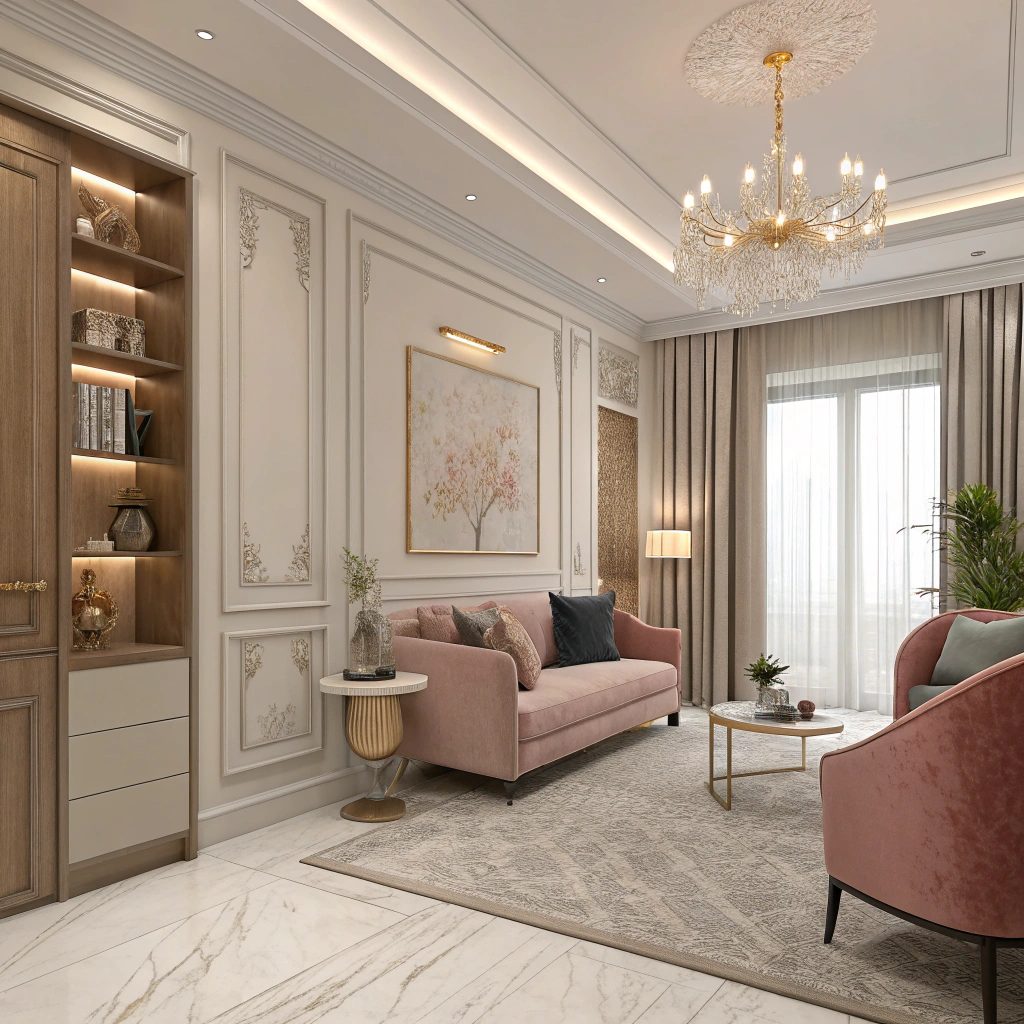
Neutral interiors tell a subtler story. They are rarely accidental. Behind the simplicity is a desire for control, calm, and timelessness. These homes leave room for change — seasonal shifts, personal growth, new chapters — without needing to be repainted each time life evolves.
And finally, darker palettes. Deep, enveloping shades that don’t aim to please everyone. These spaces are intentional, intimate, and reflective. They belong to people who are comfortable with depth, who prefer atmosphere over brightness, and who understand that elegance doesn’t need to be loud.
Color doesn’t define personality — but it does reveal priorities. What comforts you. What energizes you. What kind of silence you want at the end of the day.
Your home, in the end, is not trying to impress anyone. It’s trying to hold you.