There’s a reason pizza ranks among the most beloved foods on the planet. It carries the rare ability to satisfy every craving in a single bite—crunchy, chewy, savory, tangy, and creamy all at once. But the difference between a decent slice and the best homemade pizza you’ll ever eat comes down to a handful of deliberate choices. The flour you select. The patience you bring to fermentation. The heat you command from your oven. Master these elements, and your kitchen becomes the finest pizzeria in town.
The Secret Is in the Dough
Most home cooks underestimate what dough can become. They rush it. They treat it like a quick bread instead of a living, breathing organism that needs time to develop character. The best pizza dough is a simple formula—flour, water, salt, and yeast—but the magic lives in the waiting.
Bread flour or Italian 00 flour forms the backbone. These varieties contain higher protein levels, which build the strong gluten network responsible for that satisfying chew and airy structure. The hydration ratio matters too. A dough around 65% hydration—meaning 65 grams of water for every 100 grams of flour—strikes the ideal balance between workability and a tender, open crumb.
Cold fermentation transforms ordinary dough into something extraordinary. After mixing and a brief room-temperature rise, transfer your dough to the refrigerator for 24 to 72 hours. The cold environment slows yeast activity while allowing enzymes to break down starches into complex sugars. The result is a dough that browns beautifully, bubbles dramatically, and carries a subtle tang reminiscent of artisan sourdough. Patience is not optional here. It is the ingredient that separates good pizza from unforgettable pizza.
Sauce That Lets Tomatoes Speak
The best pizza sauce requires almost no cooking. Start with a can of whole San Marzano tomatoes, prized for their low acidity, dense flesh, and natural sweetness. Crush them by hand for a rustic texture that clings to dough without drowning it. Add a drizzle of quality extra virgin olive oil, a pinch of fine sea salt, and nothing else. Some purists skip even the garlic. The goal is brightness and purity, a vibrant red canvas that amplifies everything placed on top.
If your tomatoes taste overly acidic, a tiny pinch of sugar balances without sweetening. But restraint is key. This sauce should taste like summer in a can, not a simmered marinara. Apply it sparingly—three to four tablespoons per pizza. Too much liquid sabotages even the best crust.
Cheese Done Right
Fresh mozzarella delivers the creamy, milky richness that defines Neapolitan tradition. Tear it into irregular pieces rather than slicing uniformly. This creates pockets of varying thickness that melt into beautiful landscapes across the surface. Low-moisture mozzarella, shredded, works better for New York-style pizzas where you want even coverage and a longer bake without excess water release.
Never overload. Cheese should complement the crust and sauce, not bury them. A light hand ensures every bite contains the full spectrum of textures and flavors. For extra depth, finish with a dusting of aged Parmesan or Pecorino Romano immediately after baking. The residual heat unlocks their nutty, salty intensity without subjecting them to direct oven heat that causes burning.
Mastering the Bake
Home ovens struggle to reach the 900°F temperatures of professional wood-fired ovens, but you can close the gap significantly. A baking steel or pizza stone, preheated at your oven’s maximum setting for a full hour, becomes a searing hot surface that mimics brick oven conditions. Place it on the top rack, closest to the broiler, to expose the toppings to intense upper heat while the base crisps from below.
The launch technique matters. Dust your peel generously with semolina flour or cornmeal, which act like ball bearings under the dough. Stretch your dough gently, never roll it with a pin, preserving the precious air bubbles built during fermentation. Top quickly and decisively. A loaded peel left sitting will absorb moisture and stick disastrously.
Slide the pizza onto the steel with a confident forward jerk and backward pull. Watch it transform. In four to six minutes, the crust should puff, leopard spots of char should appear, and the cheese should bubble with light golden patches. If the top needs more color, engage the broiler for thirty seconds. Stay vigilant. Seconds separate perfection from disaster.
Toppings With Intention
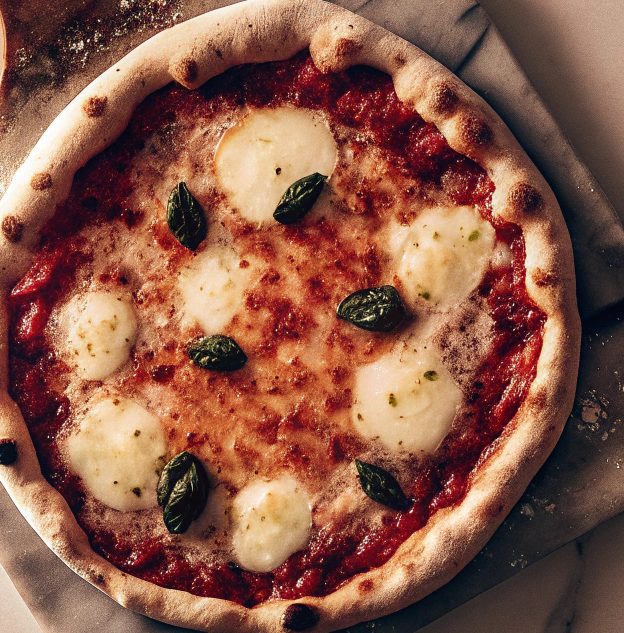
The best homemade pizza you’ll ever eat probably wears minimal toppings. A classic Margherita—tomato, mozzarella, fresh basil, olive oil—proves that simplicity triumphs. Add toppings only after considering how each ingredient behaves under intense heat. Vegetables with high water content like mushrooms or spinach should be sautéed first to prevent a soggy center. Cured meats like pepperoni or soppressata render their fat beautifully, creating crispy, spicy pools of flavor. Fresh herbs go on after baking to preserve their volatile oils and vibrant color.
The Final Touch
Rest your finished pizza for two minutes before cutting. This brief pause allows the cheese to settle and the crust to stabilize, preventing toppings from sliding and cheese from stringing messily. Use a sharp pizza wheel or rocking blade for clean, decisive cuts.
Serve on a wooden board, drizzle with more olive oil, and scatter flaky sea salt over the top. The contrast between the hot pizza and the cool, crunchy salt crystals elevates every bite.
Making the best homemade pizza you’ll ever eat is not about expensive equipment or exotic ingredients. It is about respecting time, understanding heat, and practicing restraint. Each pizza you make teaches you something new. The dough responds differently to humidity. The oven has hot spots you learn to navigate. Your hands develop muscle memory for the perfect stretch.
Start tonight. Mix your dough. Wait. Stretch. Bake. The reward waiting inside your oven is worth every moment of patience.