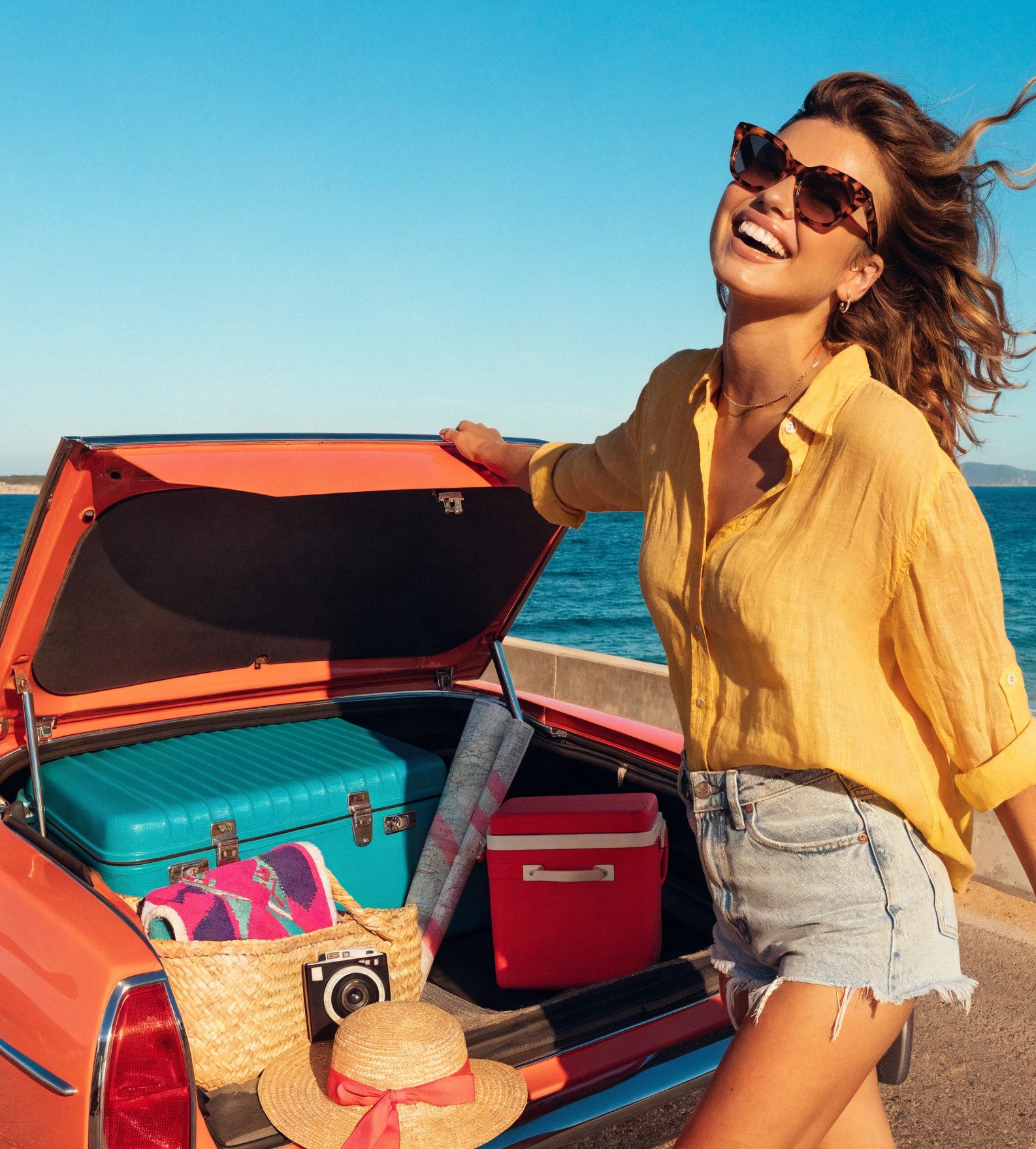
The open highway, the windows down, your favorite playlist humming through the speakers—there is no freedom quite like a summer road trip. But the difference between a dream drive and a disaster often comes down to what you packed, what you planned, and how wisely you spent. Whether you are chasing sunsets along the Pacific Coast Highway or weaving through the Smoky Mountains, this guide covers everything you need to hit the road smart, safe, and on budget.
The Trunk: Pack Like a Pro
Clothing That Works Harder Think layers, not bulk. Summer days can swing from scorching afternoons to chilly mountain evenings. Pack breathable linen or cotton tops, one light fleece or denim jacket, a waterproof windbreaker, and versatile shorts that double as swim trunks. Limit shoes to three pairs: comfortable sneakers for driving and walking, sandals for beaches and showers, and one dressier option for dinners out. Roll—don’t fold—to save space and prevent wrinkles.
The Toiletry Tote Keep a dedicated dopp kit that never leaves the car: sunscreen (SPF 30+), lip balm with SPF, insect repellent, travel-size shampoo, a solid bar of soap (no leaks), deodorant, toothpaste, and a small first-aid kit with bandages, antiseptic wipes, pain relievers, and any prescription medications. Add a pack of wet wipes and hand sanitizer—gas station bathrooms are unpredictable.
Car Comfort Kit Pillows and lightweight blankets turn backseats into nap zones. A sunshade for the windshield keeps the interior from becoming an oven during stops. Pack a roll of toilet paper, a small trash bin or grocery bags, and a reusable water bottle for every passenger. A physical road atlas is a surprisingly useful backup when cell service vanishes in the desert or mountains.
The Gear: Tech, Tools & Safety
Navigation & Communication A phone mount is non-negotiable for safe hands-free directions. Download offline maps from Google Maps before you leave. Bring a car charger with multiple USB ports and a portable power bank for hikes away from the vehicle. If you are traveling through remote areas, consider a satellite communicator or personal locator beacon.
Emergency & Maintenance A basic roadside kit should include jumper cables, a tire pressure gauge, a portable air compressor, a headlamp or flashlight with extra batteries, reflective warning triangles, and a multitool. Check your spare tire, oil level, coolant, and wiper fluid before departure. A jug of water and a quart of oil can save you in a pinch.
Entertainment Audiobooks and podcasts make the miles disappear. Download them in advance to avoid data drain. For passengers, a tablet loaded with movies, a deck of cards, or travel-size board games turns rest stops into fun breaks. A Bluetooth speaker is perfect for impromptu picnics.
The Budget: Travel More, Spend Less
Fuel Strategy Use apps like GasBuddy to find the cheapest stations along your route. Fill up in larger towns before entering national parks or remote stretches where prices spike. Driving at a steady 55–65 mph maximizes fuel efficiency—aggressive acceleration and braking burn cash fast. If you have a fuel rewards credit card, now is the time to use it.
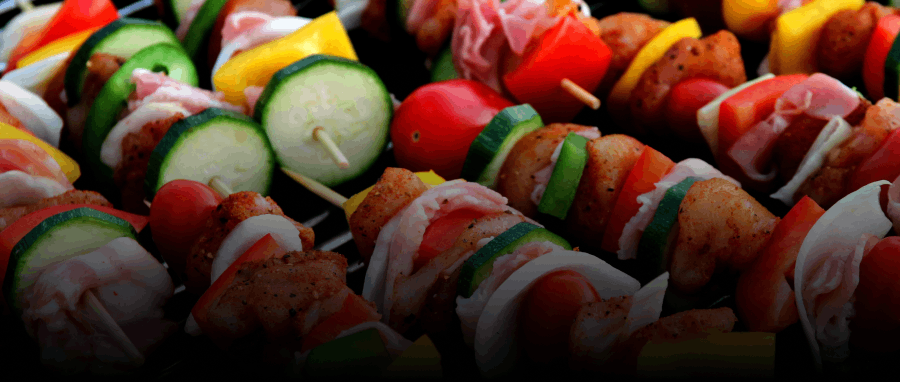
Food: Eat Well Without the Bill Restaurant meals three times a day will demolish your budget. Pack a cooler with sandwich ingredients, fresh fruit, cut vegetables, hummus, cheese, and cold drinks. Stop at grocery stores instead of drive-thrus for healthier, cheaper lunches. Splurge on one memorable local dinner per day, not three. Bring a camping stove or portable grill for cooking at campsites or rest areas with picnic tables.
Sleep for Cheap Hotels are the biggest road trip expense after gas. Mix it up: alternate between budget motels, Airbnb rooms, and campgrounds. Apps like iOverlander and Campendium reveal free or low-cost dispersed camping spots on public land. A rooftop tent or the back of a well-padded SUV can eliminate lodging costs entirely. If you do book hotels, call directly—small motels often beat online prices.
Activities & Attractions National Parks passes ($80 annual) pay for themselves in three visits. Many museums have free admission days. Hiking, swimming, and scenic drives cost nothing but deliver the best memories. Skip the overpriced tourist traps and ask locals where they eat, swim, and watch the sunset.
The Food Stash: Road Trip Fuel
No-Mess Snacks Pre-portion trail mix, pretzels, dried fruit, and dark chocolate into small bags to avoid overeating and spills. Beef jerky, protein bars, and string cheese keep hunger at bay between stops. Fresh apples, grapes, and cherry tomatoes travel better than bananas or berries.
The Cooler Lineup Hard-sided coolers with ice packs keep food cold for days. Stock it with deli meats, whole-grain bread, condiment packets, Greek yogurt, hard-boiled eggs, and sparkling water. A frozen gallon jug of water doubles as ice and a drinking supply as it melts.
The Coffee Setup A French press or AeroPress plus a thermos saves you $6 per morning coffee stop. Bring your own ground beans and heat water with a portable electric kettle at hotels or campsites.