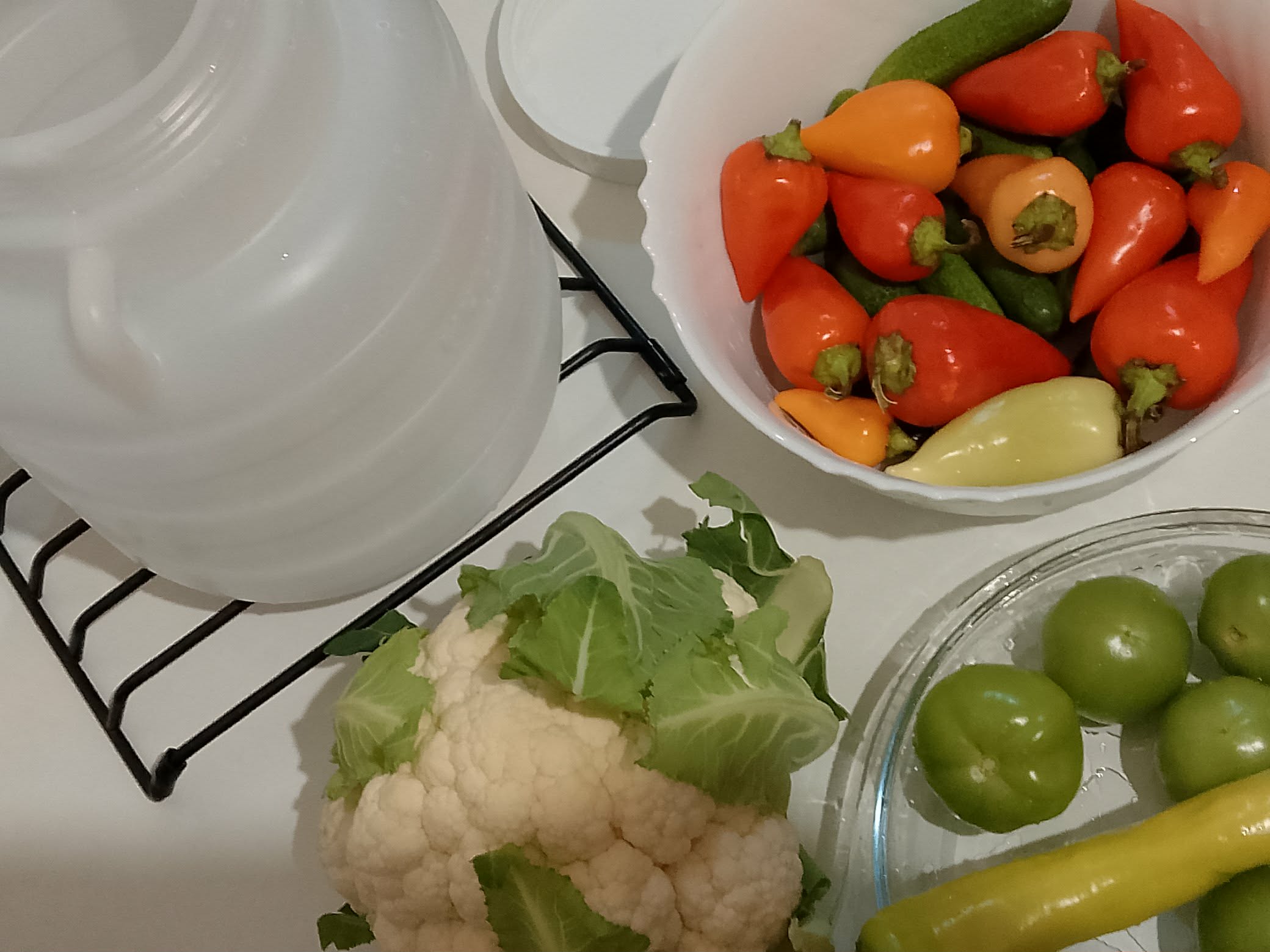
Every autumn, my kitchen turns into a small preservation station. Tomatoes become sauce, apples become butter, and the last of the garden vegetables go into a simple salt brine in a small plastic barrel.
No vinegar. No canning equipment. No fancy jars. Just vegetables, water, salt, and time.
This is the oldest method of preservation there is — fermentation. And once you try it, you’ll never buy a jar of pickles again.
Why a Small Barrel?
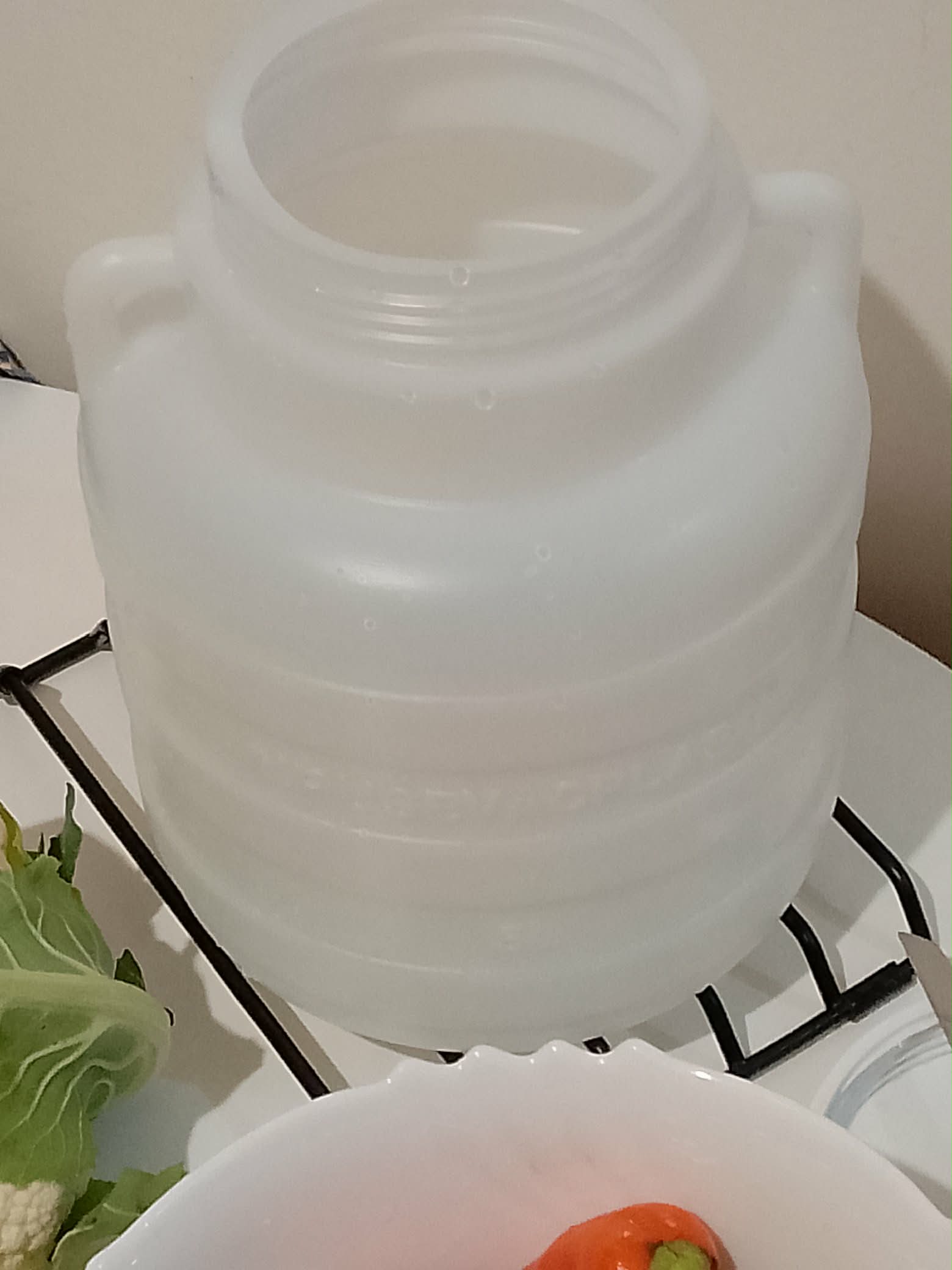
You don’t need a giant wooden barrel to make great pickles. A small food-grade plastic barrel (10–20 liters) is perfect for home fermenting:
- Cheap and easy to find — any hardware or home supply store
- Lightweight — easy to move, even when full
- Perfect size — makes enough for a family without waste
- Food-safe — just make sure it’s marked for food use
What You Can Pickle
Almost any firm vegetable works beautifully:
- Cucumbers (small ones stay crispiest)
- Cabbage — sliced or in wedges
- Broccoli florets — surprisingly delicious fermented
- Green tomatoes
- Carrots and parsnips
- Peppers
- Green beans
- Cauliflower
- Radishes
Mix and match! I usually do a combination — cucumbers on the bottom, cabbage and broccoli layered on top. The colors are gorgeous, and every forkful is a little different.
The Brine (This Is the Whole Secret)
For every 1 liter (4 cups) of water, use:
- 50 grams of salt — that’s about 3 tablespoons
That’s it. No vinegar, no sugar, no spices required (though you can add them if you like).
Important: Use non-iodized salt. Sea salt, pickling salt, or kosher salt all work. Iodized salt can make your pickles soft and cloudy.
Stir the salt into room-temperature water until dissolved. Let it cool completely if you used warm water.
Step-by-Step: Fill the Barrel
- Wash everything. Vegetables, barrel, your hands. Clean is crucial here.
- Cut as needed. Small cucumbers whole, cabbage in wedges or slices, broccoli in florets. Try to keep pieces similar in size so they ferment evenly.
- Layer the vegetables. Pack them tightly into the barrel. Really press them down — they should be snug, not floating loose.
- Cover with brine. Pour the salt water over the vegetables until they’re completely submerged. Nothing should touch the air. Any vegetable floating on top will mold.
- Weight it down. Place a clean plate, a small jar filled with water, or a fermentation weight on top to keep everything under the brine.
- Cover loosely. A lid that isn’t airtight, or a cloth secured with a rubber band. Gases need to escape as fermentation happens.
- Wait. Put the barrel somewhere cool and out of direct sunlight. A pantry, garage, or cool corner of the kitchen.