
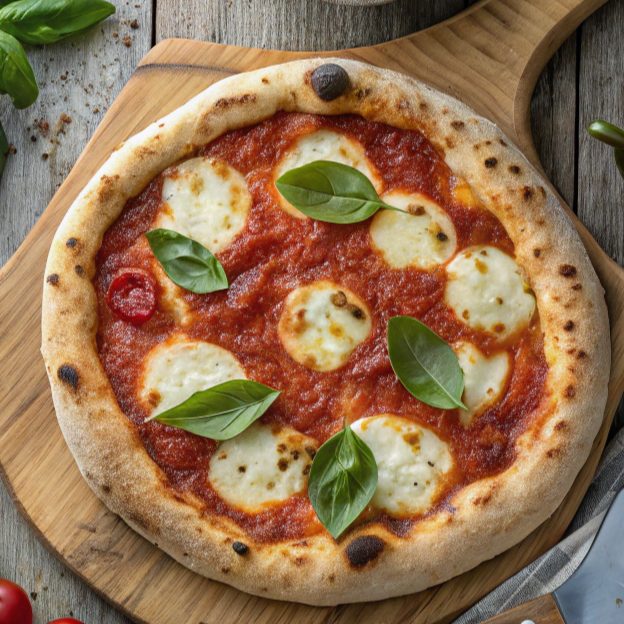
Best Homemade Pizza Recipe: How To Make Pizza At Home Like a Pro
There’s something magical about pulling a perfectly blistered, golden-crust pizza from your own oven. The aroma of bubbling mozzarella, caramelized tomato sauce, and fresh basil filling your kitchen creates a moment that no delivery box can replicate. Whether you’re a complete beginner or looking to refine your technique, this comprehensive guide will teach you how to make restaurant-quality pizza at home with confidence and consistency.
Why Homemade Pizza Beats Takeout Every Time
Making pizza from scratch gives you complete control over every element. You choose the flour quality, the ripeness of your tomatoes, the freshness of your cheese, and the exact balance of toppings. No more soggy cardboard crusts or skimpy cheese layers. Plus, the process itself is deeply satisfying—kneading dough, stretching it by hand, and watching it transform in a hot oven connects you to centuries of culinary tradition.
Home pizza making is also surprisingly economical. A single batch of dough costs less than most frozen pizzas and feeds four to six people. With practice, you’ll develop a signature style that friends and family will request repeatedly, turning your kitchen into the neighborhood’s favorite pizzeria.
The Foundation: Perfect Pizza Dough
Great pizza starts with great dough. The secret isn’t complicated ingredients—it’s time and technique. A slow, cold fermentation develops complex flavors and creates that characteristic airy, chewy texture with leopard-spotted charring.
Homemade Pizza Dough Recipe
Prep Time: 15 minutes | Rise Time: 24-72 hours | Yield: 4 medium pizzas
Ingredients:
- 500g (4 cups) bread flour
- 325g (1 ⅓ cups) cool water
- 10g (2 teaspoons) fine sea salt
- 2g (½ teaspoon) active dry yeast
- 1 teaspoon olive oil (for bowl)
Instructions:
Step 1: Mix the Dough In a large bowl, dissolve the yeast in the water. Let it sit for 5 minutes until slightly foamy. Add the flour and salt, then mix with a wooden spoon or your hands until a shaggy, sticky mass forms. No need to knead yet—just ensure all dry flour is incorporated.
Step 2: Rest and Autolyse Cover the bowl and let it rest for 30 minutes. This resting period allows the flour to fully hydrate and gluten strands to begin developing naturally, making subsequent kneading easier and more effective.
Step 3: Knead Turn the dough onto a lightly floured surface. Knead for 8-10 minutes until smooth and elastic. The dough should feel tacky but not stick excessively to your hands. If it’s too dry, add water 1 tablespoon at a time; if too wet, add flour sparingly.
Step 4: First Rise Place the dough in a lightly oiled bowl, turning once to coat. Cover tightly with plastic wrap or a damp towel. Refrigerate for 24 to 72 hours. This cold, slow fermentation is crucial—it develops flavor, improves texture, and makes the dough easier to stretch.
Step 5: Divide and Shape Remove the dough from the refrigerator 2 hours before baking. Divide into 4 equal portions (about 200g each). Shape each into a tight ball by folding edges toward the center, then rolling on the counter to seal the bottom. Place on a floured tray, cover loosely, and let come to room temperature.
Crafting the Perfect Sauce
Simplicity reigns supreme here. The best pizza sauces use minimal ingredients to let the tomato shine.
Classic Pizza Sauce Recipe
Ingredients:
- 1 can (28 oz) whole San Marzano tomatoes
- 2 tablespoons extra virgin olive oil
- 1 teaspoon fine sea salt
- ½ teaspoon sugar (optional, to balance acidity)
- 1 small garlic clove, minced (optional)
Instructions: Drain the tomatoes, reserving the juice. Crush the tomatoes by hand or with a potato masher for a rustic texture. Stir in olive oil, salt, and sugar. Some prefer raw sauce for bright flavor; others simmer 15 minutes for depth. Both approaches work beautifully.
The Cheese and Topping Strategy
For authentic Neapolitan-style pizza, use fresh mozzarella di bufala or fior di latte, torn into pieces and distributed sparingly. For New York-style, low-moisture mozzarella shredded works best. Always bring cheese to room temperature before topping to ensure even melting.
Apply toppings with restraint. A crowded pizza steams rather than bakes, resulting in a soggy center. Limit yourself to 3-4 quality ingredients that complement each other. Classic combinations include:
- Margherita: Tomato sauce, fresh mozzarella, basil, olive oil
- Marinara: Tomato sauce, garlic, oregano, olive oil (no cheese)
- Quattro Formaggi: Mozzarella, gorgonzola, parmesan, fontina
- Pepperoni: Tomato sauce, low-moisture mozzarella, spicy salami rounds
Baking Equipment: What You Actually Need
You don’t need a wood-fired oven to make excellent pizza. Here’s how to maximize your home setup:
The Baking Steel or Stone A ¼-inch baking steel is the single best investment for home pizza. It absorbs and radiates intense heat, mimicking brick oven conditions. Preheat it in your oven at its highest setting (500-550°F) for at least 45 minutes before baking.
The Oven Hack Position your steel or stone on the top rack, closest to the broiler. Preheat the oven at maximum temperature for a full hour. The surface should reach 550-600°F, hot enough to cook a pizza in 4-6 minutes with proper charring.
The Peel A wooden or metal pizza peel dusted with semolina flour or cornmeal allows you to slide the pizza onto the hot steel smoothly. Practice the sliding motion before topping to build confidence.
Stretching and Shaping Technique
Proper stretching preserves the airy structure you’ve worked hard to create.
- Press gently from the center outward, leaving a thicker border for the crust.
- Pick up the disk and drape it over your knuckles.
- Rotate and gravity-stretch, letting the dough’s weight do the work. Never use a rolling pin—it expels precious air bubbles.
- Transfer to a peel dusted with semolina, giving it a quick shake to ensure it slides freely.
The Bake: Timing and Technique
Slide your topped pizza onto the preheated steel. Close the oven door and watch through the window. The pizza is done when the crust is puffed and spotted with char, the cheese is bubbling with light brown spots, and the bottom sounds hollow when tapped. This typically takes 4-7 minutes depending on your oven’s maximum heat.
For extra char on top, switch to the broiler for the final 30-60 seconds. Keep a close eye—things move quickly under a broiler.
Troubleshooting Common Issues
Soggy Center: Too many toppings, wet ingredients not drained, or oven not hot enough.
Tough Crust: Over-kneaded dough, insufficient hydration, or too much flour during shaping.
Cheese Burning Before Crust Cooks: Cheese too close to broiler, or oven not preheated long enough.
Dough Tears While Stretching: Not enough rest time, or cold dough. Let it warm up longer.
Final Tips for Pizza Mastery
Always let your baked pizza rest for 2-3 minutes before cutting. This allows the cheese to set slightly and prevents toppings from sliding off. Use a sharp pizza wheel or rocking blade cutter for clean slices.
Experiment with different flours, fermentation times, and topping combinations. Keep a pizza journal noting what works and what doesn’t. Within a few months of regular practice, you’ll develop an intuitive feel for dough behavior and baking timing that no recipe can fully teach.
Making pizza at home is part craft, part science, and entirely joyful. The imperfect shapes, the occasional char bubble, the way your kitchen fills with incredible smells—these are the rewards that make every effort worthwhile. Fire up your oven, stretch that dough, and discover why homemade pizza isn’t just food. It’s an experience.