
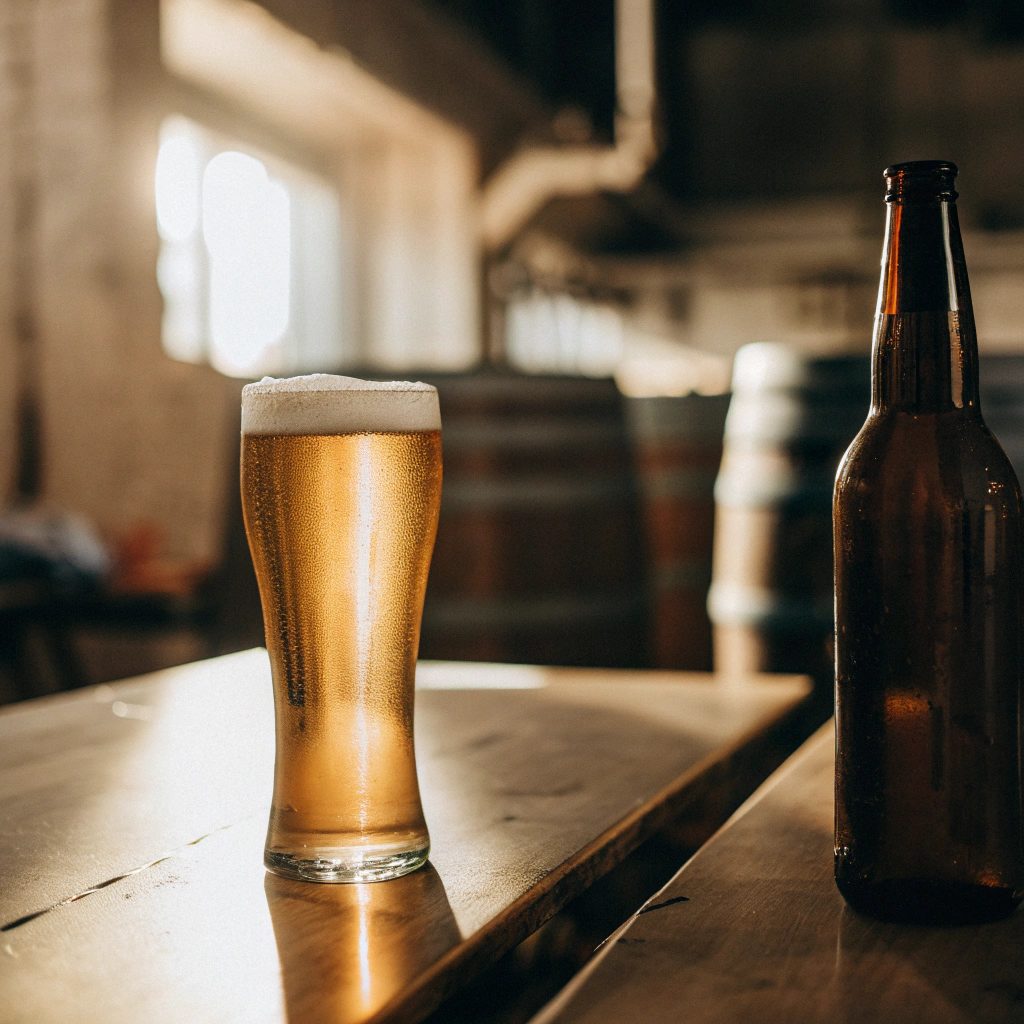
Beer is one of the world’s most cherished beverages, ranking as the third most consumed drink globally after water and tea. It’s created through brewing, a process that transforms starches into alcohol, incorporates hops for flavor, and often uses malted barley as a base ingredient.
The history of beer stretches back thousands of years. Evidence suggests that people in ancient Egypt were brewing a beer-like drink as early as 6000 BC, while chemical analysis from 3500 BC in Iran shows fermentation of carbohydrates with flowers and herbs. Early beers were very different from what we enjoy today, often including fruits, spices, honey, and even some naturally occurring narcotics. Hops, now a staple in beer-making, were first documented in brewing between the 9th and 11th centuries.
Beer underwent major transformations during the Industrial Revolution, shifting from small-scale home brewing to large-scale commercial production. This allowed the development of consistent brewing methods, as well as tools such as thermometers and hydrometers that improved quality control.
The Brewing Process
At its core, brewing beer is about turning wort—a sugary liquid made from malted barley—into a fermented beverage using yeast. First, the barley is mashed in hot water for around two hours, allowing the starches to convert into sugars. The liquid, or wort, is then strained from the grains, which are rinsed in a process called “sparging” to extract every bit of fermentable liquid.
The wort is boiled in a kettle, concentrating the sugars and removing unwanted compounds. Hops and other flavorings are added at this stage. After boiling, the mixture is cooled, and yeast is introduced to start fermentation. Once fermentation is complete, the beer is packaged in bottles, cans, or kegs and is ready to be enjoyed. The strength of the beer depends on the sugar content of the wort—the more sugar present, the higher the alcohol content after fermentation.
Cultural Significance
Beer has always been more than a drink—it’s a social and cultural experience. From local pubs and beer gardens to international festivals, games, and traditions like pub crawls, beer has been a central part of communities for centuries. Breweries continue to promote beer through innovative advertising, contributing to a rich cultural history that combines craftsmanship, flavor, and social connection.