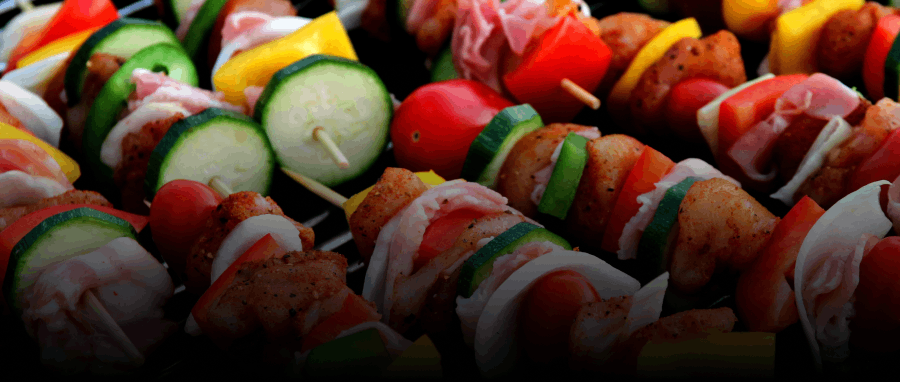

There is a moment in every civilization’s memory when raw nature first surrenders to heat. That moment—when an early human placed meat over flame rather than tearing into it cold—marks not just the birth of cooking, but the beginning of culture itself. Yet the leap from survival roasting to the refined discipline we now call culinary arts took millennia, crossing empires, revolutions, and social upheavals before arriving at the glossy kitchens and viral food videos of today.
The true precursor of culinary arts was not a recipe, but the mastery of fire itself. Anthropologists estimate that Homo erectus began cooking food approximately 1.8 million years ago, a development that shrank our ancestors’ guts and expanded their brains. Still, for most of human history, cooking remained domestic labor rather than art. The transformation began in the palace kitchens of ancient Mesopotamia and Egypt, where specialized cooks served divine kings. The oldest known written recipes survive on three Yale Babylonian tablets dating to around 1700 BCE, detailing stews of meat, vegetables, and exotic spices—proof that even four millennia ago, cooks were already concerned with flavor complexity, not just caloric survival. Centuries later, the Roman gourmet Apicius compiled De re coquinaria, the world’s oldest surviving cookbook, its pages still whispering with fermented fish sauce and honeyed dormice.
If the ancient world provided the ingredients, Europe provided the architecture. The first professional kitchen recognizable to modern eyes emerged not in a palace, but in a Parisian soup shop. In 1765, a Monsieur Boulanger hung a sign outside his establishment offering restorative broths, effectively opening what historians consider the first restaurant. By the late 18th century, these public kitchens had evolved into temples of gastronomy, and by the time Auguste Escoffier codified the brigade system in the 19th century, the culinary profession had become a militarized meritocracy of white jackets and exacting standards.
To the European aristocracy, culinary arts were never merely about taste; they were instruments of power. A banquet was a battlefield where gold-leafed peacocks and sugar sculptures declared wealth, influence, and diplomatic intent. The table was a stage, and the chef was both playwright and director. This symbolism persists today, though it has democratized dramatically. Where once a fine meal required a noble title, now it requires only a reservation—or even a well-curated Instagram feed.
The impact of culinary arts on the modern world is staggering. Food is the planet’s largest employment sector, sustaining billions from subsistence farmers to Michelin-starred chefs. Gastronomy drives tourism, shapes national identity, and increasingly influences public health and environmental policy. The farm-to-table movement, once a fringe philosophy, now dictates supermarket supply chains. Celebrity chefs have become household names wielding influence comparable to musicians or athletes.
What has changed most profoundly is the definition of who gets to participate. The rigid French brigade system that dominated the 20th century has loosened its grip, making room for self-taught innovators, street food artisans, and digital creators who build empires from their home kitchens. Technology has rewritten the rules: sous-vide precision, fermentation science, and plant-based molecular gastronomy now share space with ancient techniques and indigenous wisdom. Social media has turned a perfectly plated dish into global content within seconds, while sustainability concerns have forced the industry to confront its waste and carbon footprint. The modern kitchen is no longer a European fortress but a global conversation, where a Mexican grandmother’s mole and a Copenhagen chef’s fermented sea buckthorn hold equal sway.
From a Mesopotamian stew to a Tokyo sushi counter to a Brooklyn pop-up, culinary arts remain the most universal language humanity speaks. We do not merely eat to live; we cook to belong.