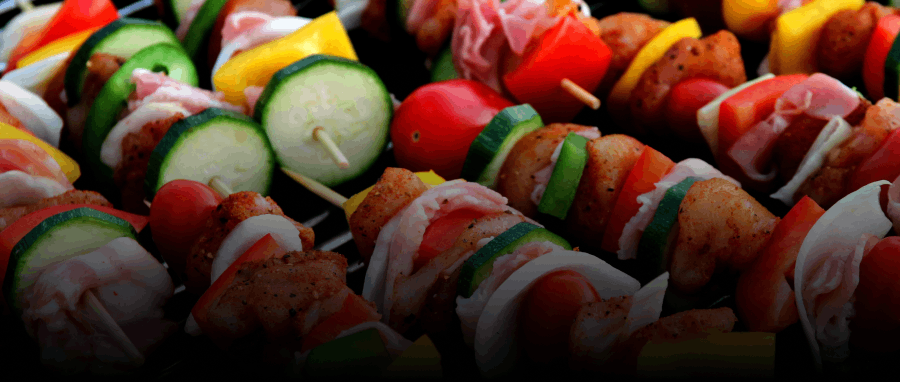
Spices don’t just make food taste good—they actively protect your health. In every cuisine, they are considered more than seasonings: they are natural stimulants that awaken digestion, sharpen the appetite, and help the body use nutrients more effectively.
Why Spices Matter in Nutrition
Different spices bring different benefits, depending on their taste and essential oils:
- Bitter and aromatic spices encourage the stomach to release digestive juices.
- Hot and fragrant spices naturally increase appetite.
- Aromatic blends improve the way your body processes vitamins and minerals.
Used wisely, spices become almost medicinal—helping with circulation, metabolism, and even immunity.
How Spices Work in the Body
- Circulation: Hot spices like chili or black pepper improve blood flow, even to irritated tissues.
- Digesting fats: Nutmeg and other warming spices support the breakdown of heavy foods.
- Salivary glands: Paprika encourages saliva, which starts the digestion process.
- Gallbladder: Rosemary and oregano can improve bile flow and motility.
- Intestinal movement: Anise and paprika encourage healthy peristalsis.
- Blood health: Pepper and chili help prevent clot formation.
- Pancreas: Cinnamon and bay leaves can support pancreatic activity.
- Respiratory health: Cinnamon helps dissolve mucus, making it easier to clear.
- Joint comfort: Ginger, cinnamon, and hot peppers can ease inflammation and pain.
- Kidney function: Parsley and celery leaves promote natural diuresis.
Antimicrobial and Protective Effects
Fresh herbs and spices that contain essential oils are potent defenders of health:
- Antibacterial: Garlic, onion, parsley, thyme, cinnamon.
- Antiseptic: Bay leaf, basil, walnut, horseradish, garlic.
- Anti-parasitic: Garlic and basil fight intestinal parasites.
- Antioxidants: Mint, ginger, cinnamon slow aging at the cellular level.
Most spices also carry anti-carcinogenic compounds, making them a valuable ally in long-term wellness.
When to Add Spices in Cooking
Timing matters as much as the spice itself:
- Early in cooking: Bay leaves, cumin, anise, pepper, and allspice (these can handle long heat).
- Near the end: Basil, thyme, and mint (they lose aroma if cooked too long).
- Before serving: Fresh parsley, dill, celery leaves, or nettle add freshness and nutrients.
Storing Your Spices
Keep only small amounts on hand. Store them in tightly closed containers or dark jars in a dry, cool, well-ventilated space. Expired or stale spices not only lose their flavor but may also compromise food safety.
Parsley, the Everyday Healer
Parsley is more than decoration on a plate. With its high content of iron, vitamin C, provitamin A, and even rare vitamin B12 (important for red blood cell production), parsley strengthens immunity and supports healthy blood. Just 100 grams of parsley leaves contain over 1600 milligrams of essential minerals, making it one of the most nutrient-dense herbs you can keep in your kitchen.