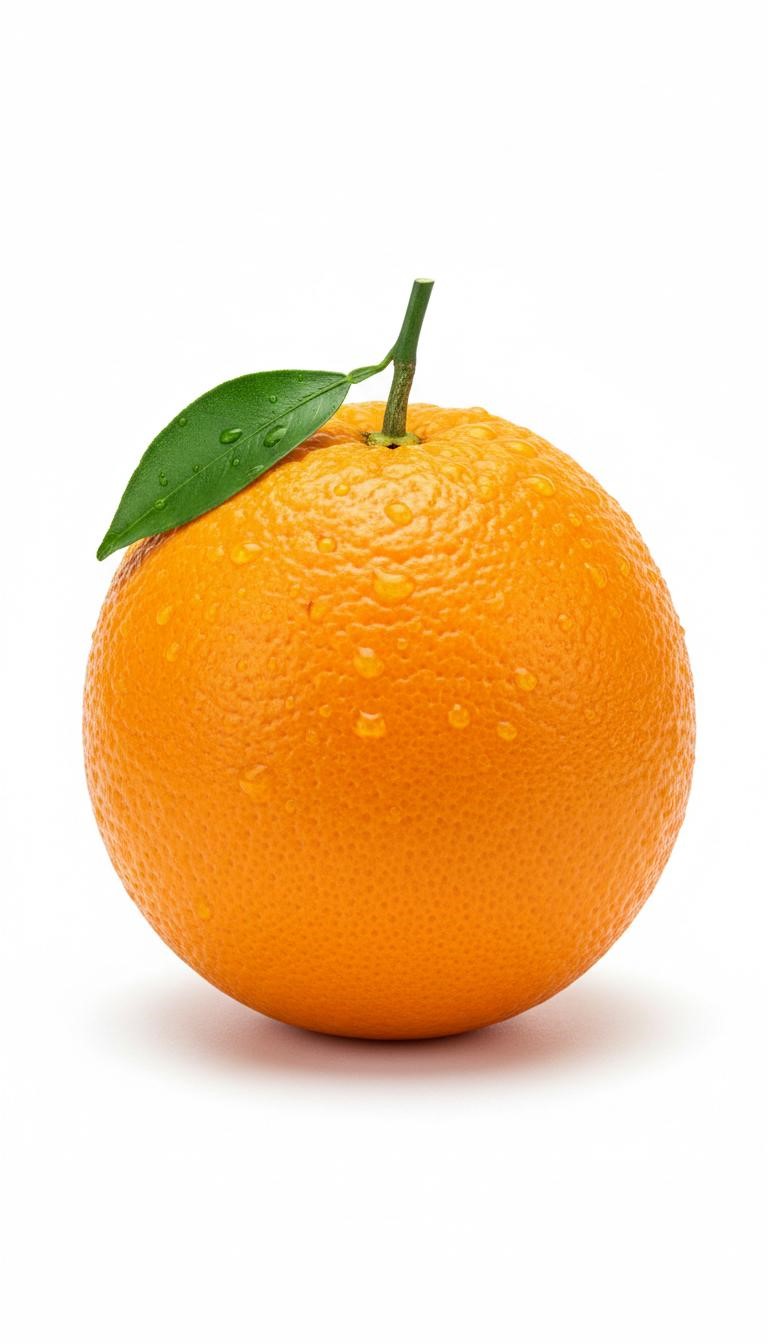
There are few fruits as instantly recognizable, as universally loved, and as quietly extraordinary as the orange. Sweet, fragrant, and bursting with juice, it has traveled a remarkable road — from the misty mountains of Southeast Asia to breakfast tables, lunchboxes, and juice glasses on every continent. And behind its cheerful color lies a story of symbolism, healing, and everyday magic that most of us never stop to consider.
Botanists trace the orange back thousands of years to the region spanning southern China, northeast India, and Myanmar, where it was first cultivated as a hybrid between the pomelo and the mandarin. From there it moved westward along ancient trade routes, carried by merchants who understood that people will pay handsomely for something that tastes like sunshine. By the time it reached the Mediterranean, the orange had already become a luxury — a gift of status, offered to royalty and celebrated in gardens built solely to showcase its glossy leaves and golden fruit. The orange groves of Sicily, Spain, and later Florida and California turned that luxury into a global staple.
But the orange has never been just food. In Chinese culture, it is a powerful symbol of good fortune and prosperity — its round shape and golden color evoke coins and the sun, and oranges are exchanged during Lunar New Year as wishes for wealth and happiness. In Western traditions, oranges found their way into Christmas stockings, a small burst of sweetness during the darkest days of winter, symbolizing generosity and light. Artists have painted them for centuries as emblems of abundance, fertility, and the pleasures of life. Few fruits carry such rich meaning across so many cultures.
Now for what modern science confirms — the orange is genuinely as healthy as its reputation suggests. A single medium orange delivers well over the daily requirement of vitamin C, the famous immune-supporting antioxidant that helps the body fight infections, produce collagen for healthy skin, and absorb iron from plant-based foods. But vitamin C is only the beginning. Oranges are rich in flavonoids like hesperidin, compounds studied for their ability to support healthy blood pressure and circulation. The fiber in a whole orange aids digestion, helps regulate blood sugar, and keeps you feeling full — one reason nutritionists consistently recommend eating the fruit rather than drinking only the juice.
This makes oranges a smart daily choice for people dealing with weakened immunity, frequent colds, iron-deficiency anemia, high blood pressure, dull or tired skin, and sluggish digestion. Their potassium content supports heart health and muscle function, while their high water content keeps the body hydrated. For anyone watching their weight, an orange offers natural sweetness with remarkably few calories — and a glycemic impact far gentler than most snacks that claim to be healthy.
Here’s something worth knowing: much of the orange’s nutritional power hides in parts we throw away. The white pith beneath the peel, slightly bitter and usually peeled off, is loaded with fiber and flavonoids — eating a bit of it is genuinely good for you. The zest, meanwhile, contains aromatic essential oils used in everything from perfumery to natural medicine, and aromatherapists have long prized orange oil for its ability to lift mood and ease anxiety. It is not an accident that the smell of a freshly peeled orange makes people smile.
One more delightful fact: oranges don’t ripen further after picking, which means the fruit in your kitchen is exactly as sweet as it was on the tree. And despite the name, the color orange actually took its name from the fruit — not the other way around. Before oranges arrived in Europe, English speakers simply called that color “yellow-red.”
So the next time you peel an orange, take a second to appreciate what you’re holding: a fruit that symbolizes luck in one hemisphere and comfort in another, that supports your heart, your skin, and your immune system, and that has been brightening human lives for millennia. Sunshine, it turns out, really does come in segments.