How to use ginger as spice?
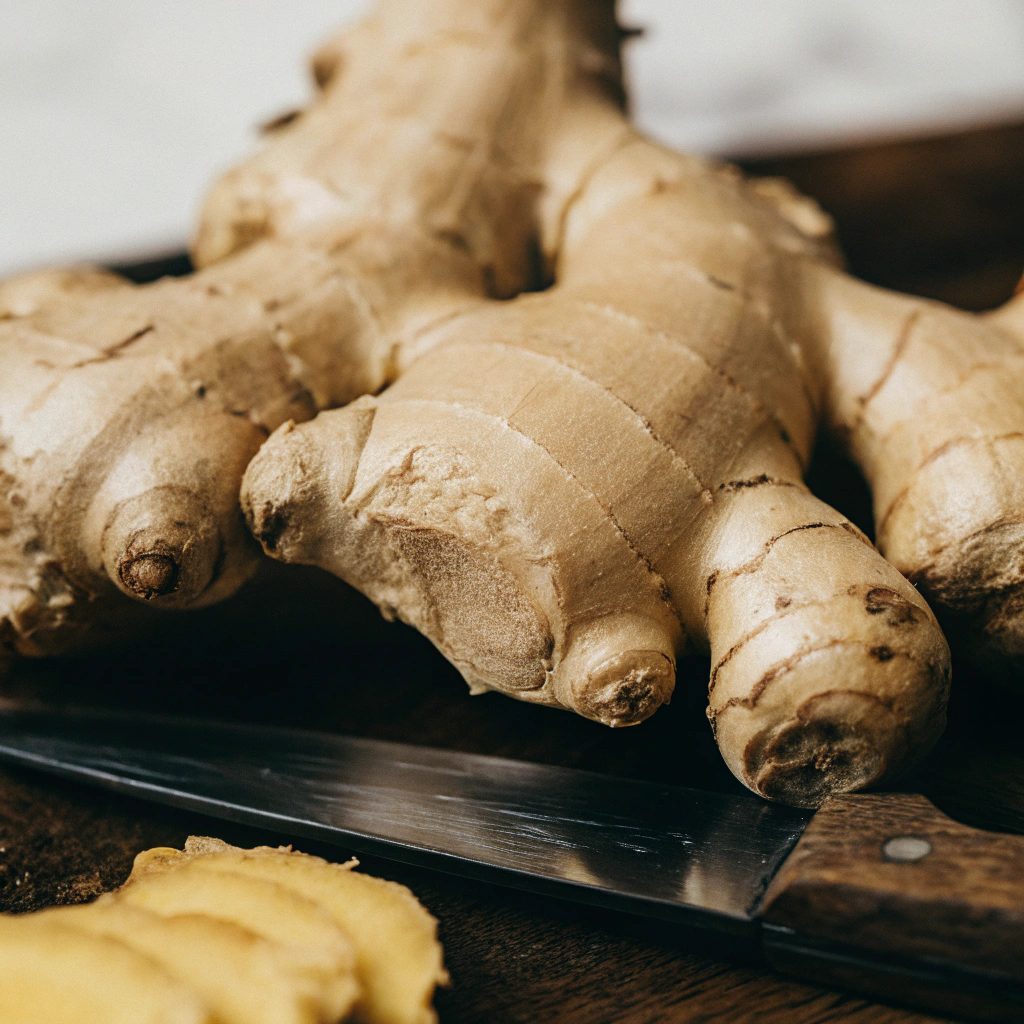
Ginger is a spicy, perennial plant. It grows to a height of about one meter, and the root is several centimeters thick, fleshy and about 20 centimeters long. The root and rhizome are used for nutrition and as an addition to dishes, as they are very aromatic and contain many useful ingredients. The combination of lemon and the sweet-spicy taste of ginger is very pleasant to eat.
Useful ingredients
Studies have established that ginger contains a lot of medicinal concentrated substances (vitamins and minerals), and that most of them are in the root:
protein
plant fibers
vegetable fats
plant hormones
gingerol
zingeron
enzymes
essential oils
It is interesting that ginger in combination with other medicinal plants and medicines significantly enhances their medicinal effect.
Use in nutrition
Ginger root is used as an addition to dishes, cakes, tea, beer or liqueurs.
As a spice, ginger is especially used in Indian cuisine to prepare: sauces, dressings, vegetable dishes, rice dishes, meat dishes, game and various delicacies.
Powder or small pieces of ginger are added to the dish, and grated root can also be added.
Usage
The root (fresh or dried) is used for treatment, as well as powder and various tinctures, oils or teas based on ginger. Ginger root or powder is combined with honey, garlic and other herbs. In addition to ginger being used as a medicine that is swallowed (drinked), ginger ingredients are used to make poultices, baths or inhalation teas. Ginger is a very good antioxidant, and it also has antibacterial, antiseptic, antifungal, sedative and antipyretic effects. It is also considered to be an aphrodisiac.
In some cases, ginger is recommended to pregnant women against nausea, but with a large margin (sedative effect), so you should still consult a doctor. In addition, a larger amount of ginger (over 5 grams) can cause unwanted effects in some people: nausea, heartburn, stomach pain or dizziness. It should be taken into account that ginger prevents (reduces) blood clotting, so people who have bleeding (for any reason) should limit their use.
Conclusion
Based on old folk traditions, but also on the latest scientific tests and the aforementioned properties, it can be safely said that ginger is a very medicinal plant. Ginger has a beneficial effect on the skin, respiratory organs, nerves, stomach, intestines, blood vessels and immune system.
As with the use of all medicinal plants, one should be careful when using ginger on their own initiative and should consult with doctors, pharmacists, nutritionists, aromatherapists or homotherapists.