
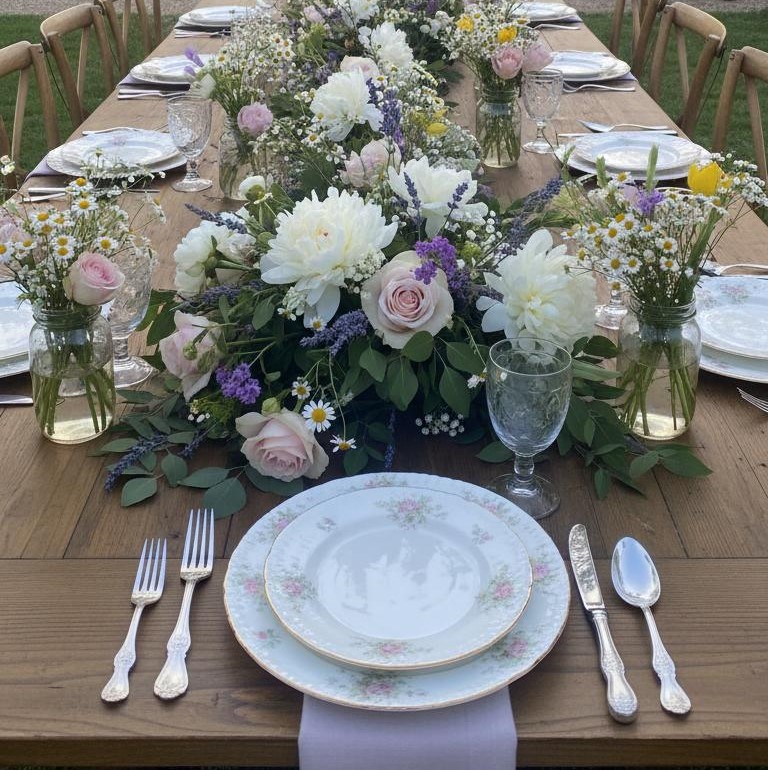
The first plates emerged around 29,000 BCE in the form of simple, flat stones or carved wooden slabs used by Paleolithic communities to separate food from the earth beneath them. But the true birth of the plate as we know it arrived with the Neolithic Revolution, roughly 10,000 BCE, when humans settled into agricultural life and suddenly needed vessels that could contain, present, and preserve. The earliest ceramic plates appeared in China’s Jiahu culture around 7000 BCE—crude, hand-molded clay discs fired in open pits, yet revolutionary in their implication that eating was no longer merely survival but ritual.
Mesopotamia and Egypt elevated the craft dramatically. By 3000 BCE, Egyptian artisans were producing faience plates with glazed turquoise surfaces so sophisticated that they were buried with pharaohs as provisions for the afterlife. The Minoans of Crete introduced vibrant marine motifs around 2000 BCE, turning the dinner table into a storytelling canvas. Yet perhaps the most transformative moment came in China during the Tang Dynasty (618–907 CE), when porcelain was perfected—a material so fine, so resonant, that it became known simply as “white gold” and triggered centuries of global trade obsession.
The Bible, surprisingly, offers vivid glimpses of plate culture. In Exodus 25, God commands Moses to craft dishes of pure gold for the Tabernacle: “And thou shalt make the dishes thereof, and spoons thereof, and covers thereof, and bowls thereof, to cover withal: of pure gold shalt thou make them.” These were not eating vessels but sacred instruments, suggesting that from its earliest spiritual contexts, the plate represented reverence and offering. The Last Supper, described across the Gospels, almost certainly employed simple ceramic platters rather than the ornate chalices and plates later imagined by Renaissance painters—a humbling reminder that the most sacred meal in Western history likely unfolded on modest, utilitarian ware.
The industrial plate as we recognize it began in 18th-century England. Josiah Wedgwood’s Etruria factory, established in 1769, pioneered mass-production techniques that democratized fine dining. Before Wedgwood, a family might own a single wooden trencher shared among members. The Staffordshire potteries exploded into a global powerhouse, exporting millions of pieces to the Americas, India, and beyond. By 1880, the transfer-printing process allowed even rural farmhouses to display plates bearing images of British castles, American landscapes, or Japanese cranes.
Today’s plate landscape is staggering in its diversity. The largest functional plate ever created is the 50-meter ceramic masterpiece in Foshan, China, capable of serving hundreds simultaneously. At the microscopic opposite, nanotechnology researchers have fabricated plates barely visible to the human eye—silicon wafers used in laboratories rather than kitchens, yet technically “plates” in the purest sense. Among collectors, Ming dynasty porcelain commands millions at auction, while the Meissen “Blue Onion” pattern remains the most reproduced ceramic design in history, with over 700 million pieces manufactured since 1739.
Contemporary favorites reveal our evolving relationship with food. Japanese ceramicist Shoji Hamada’s Mashiko ware celebrates deliberate imperfection; Danish Royal Copenhagen’s Flora Danica, hand-painted with 3,000 botanical illustrations, takes 12,000 brushstrokes per plate and costs more than a luxury automobile. Yet mass-produced melamine and bamboo composites now dominate everyday households, driven by sustainability concerns and casual dining culture.
Several types have vanished entirely. Lead-glazed pewter plates, ubiquitous in medieval Europe, disappeared once the toxic metal’s dangers became understood. The trencher—a thick slice of stale bread used as an edible plate in medieval England—survives only as the origin of our word “trencherman,” meaning a hearty eater. Asbestos-reinforced plates of the 1940s, marketed as unbreakable, were swiftly recalled for obvious health catastrophes.
Symbolically, the plate carries extraordinary weight across cultures. In China, a full plate at New Year promises abundance; an empty one invites misfortune. The “broken plate” ceremony in Greek weddings, where guests smash porcelain for good luck, transforms destruction into celebration. Even our language preserves this legacy: we “hand something on a silver platter,” “have a full plate,” or offer something as “a meal on a plate.”
What changed most profoundly is the plate’s shift from communal instrument to individual expression. Ancient Romans reclined around a central platter; medieval Europeans shared trenchers; Victorians displayed elaborate service à la française where dozens of plates crowded the table simultaneously. Today, the Instagram-worthy plate has become a canvas for personal narrative, with chefs designing dishes specifically for the 1080-by-1080-pixel frame. The material itself has evolved from clay and gold to recycled ocean plastic and biodegradable palm leaves.
The global dinnerware market now exceeds $40 billion annually, yet the fundamental impulse remains unchanged. Whether carved from stone in a Neolithic cave or 3D-printed in a Brooklyn studio, the plate still performs its ancient magic: it elevates eating from necessity to ceremony, transforming raw sustenance into shared human experience.