
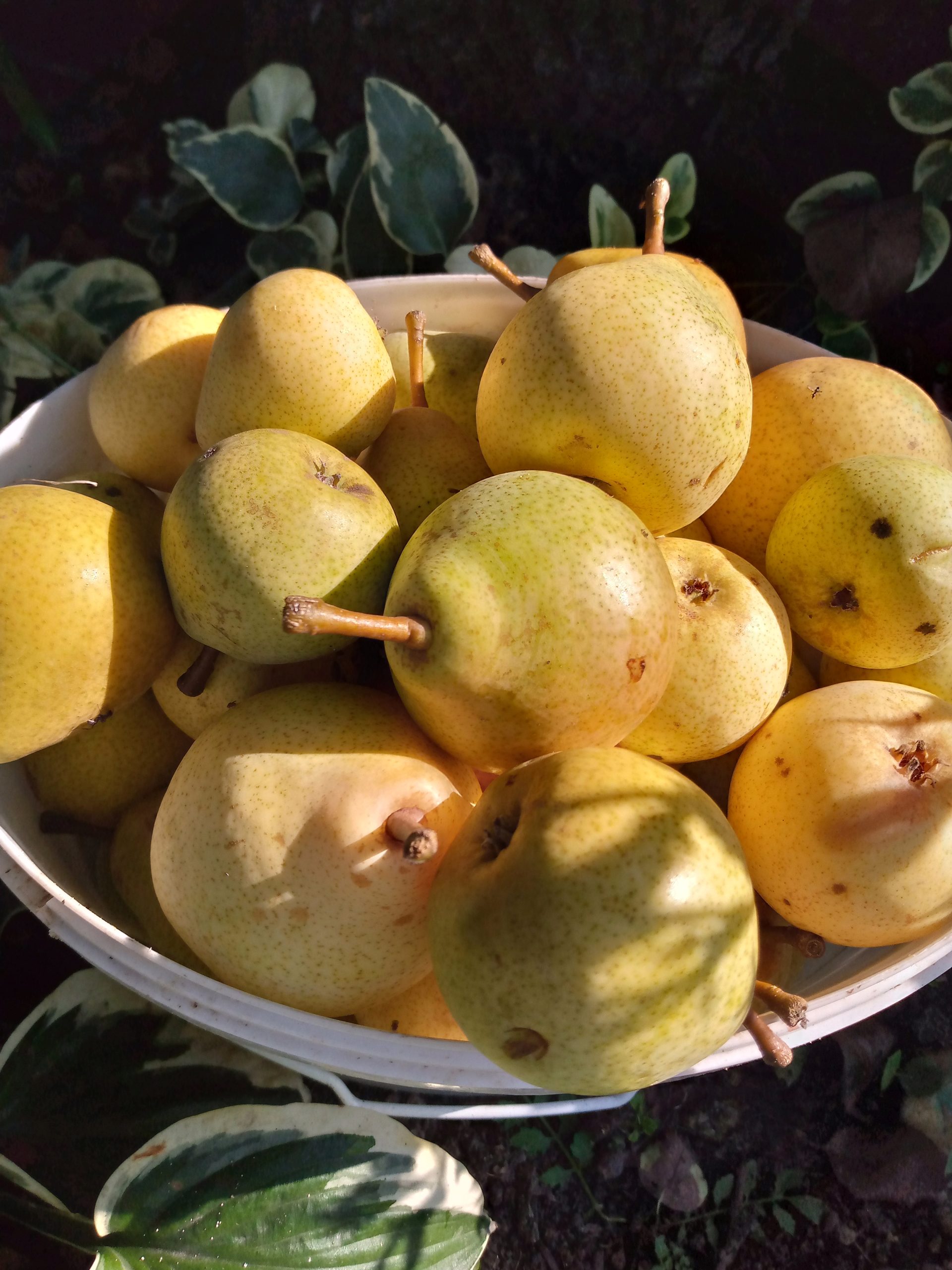
Why Pears Are Essential for a Healthy Diet? Pears belong to the rose family and are closely related to apples and quinces. With about a thousand varieties differing in size, shape, color, and taste, pears have a long history of cultivation. Originally grown in the southern regions of Central Asia, they spread worldwide over time. These juicy, sweet fruits were called “gifts of the gods” by Homer in the Odyssey and were considered a symbol of luxury at the court of Louis XIV. Today, China, Russia, and Italy are the largest producers of pears.
Pears are most often eaten fresh, like apples, but they are also used in cakes, juices, and cooked dishes. Cooked pears pair especially well with savory meats such as game, duck, and veal stews. They can also be preserved with sugar as compote or jam, or with vinegar and mustard seeds for pickling.
Nutritionally, 3.5 ounces (100 grams) of fresh pear provides about 58 calories. Pears contain important minerals including calcium, iron, magnesium, phosphorus, zinc, copper, manganese, and fluoride. They are rich in vitamins C, B6, and K, along with thiamine, riboflavin, niacin, and pantothenic acid. Pears also offer dietary fiber and plant sterols.
Pears are a good source of fiber, which benefits digestion and heart health. Their antioxidants help protect the body from harmful free radicals, strengthening the immune system. In today’s world, where allergies are common, pears are known as hypoallergenic and are recommended as a first fruit for babies. Studies show pears may help lower blood pressure and reduce the risk of stroke. Pear juice is an excellent energy source thanks to natural fruit sugars fructose and levulose, making it suitable for diabetics. Its refreshing nature may also help reduce fever. Additionally, pears contain compounds that help ease inflammation.