
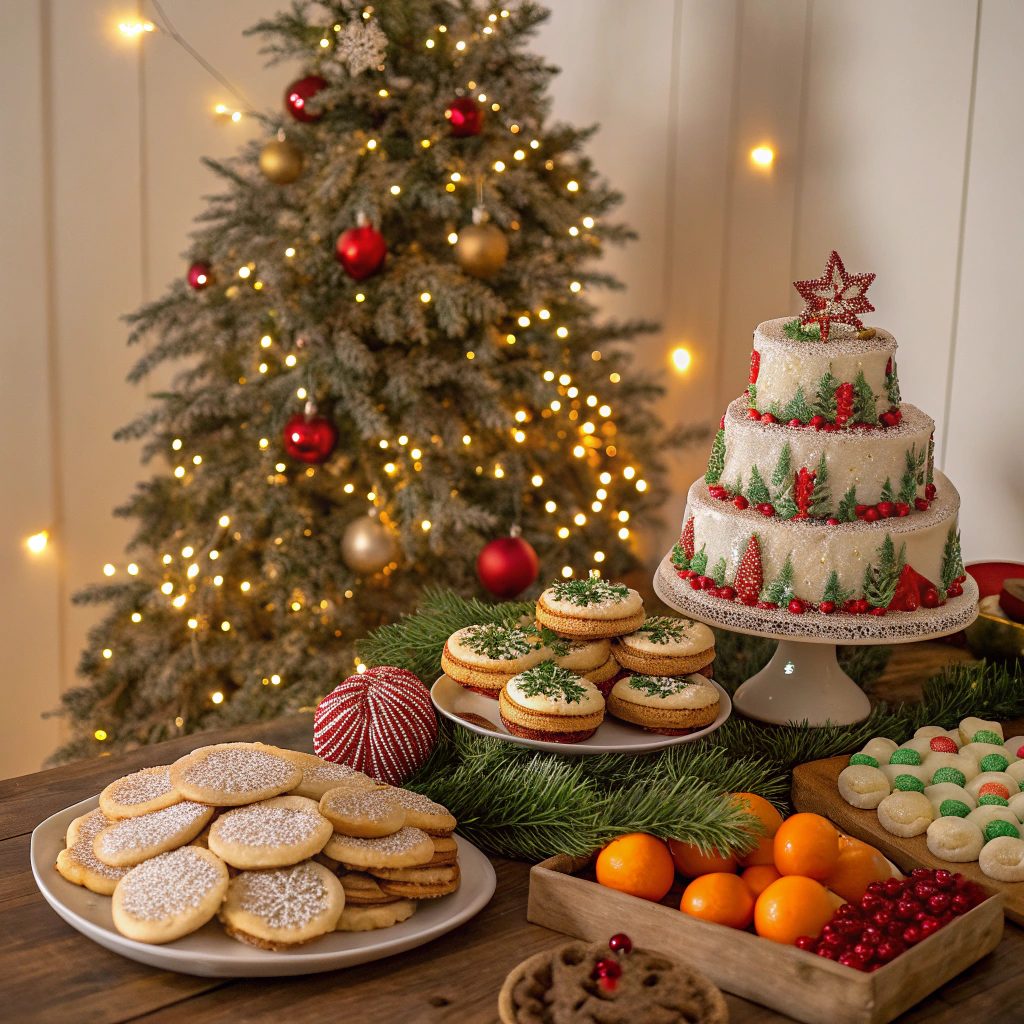
Why Do We Decorate the Christmas Tree for New Year’s and What Does It Symbolize?
The tradition of decorating a Christmas tree as part of New Year’s celebrations is one of the most cherished customs around the world, but the origins and deeper meaning behind it are often overlooked. Here, we explore why the evergreen tree is chosen, when the tradition began, and its connection to hope and renewal.
The Beginning of the New Year’s Celebration
New Year’s Eve is a time of reflection, celebration, and the anticipation of new beginnings. Across cultures, the turning of the year is marked by a mix of old and new traditions, often signifying both an end and a new beginning. The observance of the New Year has roots in ancient practices tied to the cycles of nature and the passage of time.
Long before the Gregorian calendar became standardized, various cultures marked the start of the year based on lunar cycles, seasonal changes, and agricultural patterns. It is believed that the earliest recorded New Year’s celebrations date back to around 2000 BCE in Mesopotamia, where it was celebrated during the spring equinox. The ancient Chinese, for example, began their New Year festivities with exchanges of gifts and prayers for prosperity, with celebrations lasting for several days.
The change to January 1st as the official start of the year was formalized much later, with the introduction of the Julian calendar by Julius Caesar in 46 BCE, which laid the foundation for the calendar we use today. Over time, this date became a global standard, marking the occasion with parties, fireworks, and traditions aimed at bringing in a fresh start.
The Christmas Tree: A Symbol of Life and Hope
The Christmas tree has become synonymous with the holiday season, often standing at the center of family gatherings and festive décor. But why choose an evergreen tree? The answer lies in its symbolism. As one of the few trees that retain their foliage year-round, the evergreen has long represented resilience, continuity, and the promise of life after the winter season.
While decorating trees dates back to ancient times, the tradition as we know it today began in Northern Europe, likely more than a thousand years ago. Early customs involved adorning trees with apples, candles, and simple ornaments. These decorative trees were used not just for Christmas, but as a means of celebrating life’s enduring cycles, with some cultures using pine or fir trees as symbols of everlasting life.
A popular legend suggests that the custom of decorating the Christmas tree began with a humble story. A forester, living in a remote cabin with his family, welcomed a cold, hungry boy into their home one Christmas Eve. It was only in the morning that they realized the boy was Jesus Christ. In gratitude, He gifted the family a sprig of fir, which became the first Christmas tree. From this moment on, the tradition of decorating trees spread across Europe, becoming a staple of holiday celebrations.
New Year’s Traditions Around the World
As the world enters the new year, unique traditions come to life, each with its own cultural significance. While many customs focus on food, gatherings, and celebrations of the past year’s achievements, the underlying theme across all cultures is renewal and hope.
In countries like Austria and Hungary, pork is often served as a symbol of prosperity. This tradition is rooted in the belief that pigs, as a sign of abundance, will bring good fortune in the coming year. Similarly, in Greece, round cakes are served as a reminder that the year has come full circle. In Sweden and Norway, a hidden almond in a rice pudding brings good luck to the person who finds it.
One of the most universally recognized traditions is the midnight fireworks display. Cities around the globe, from New York to Sydney, light up the night sky with colorful explosions to mark the passing of one year and the arrival of the next. This is often accompanied by songs, countdowns, and festive cheers.
In Spain, it is customary to eat twelve grapes at midnight—one for each chime of the clock—believed to bring luck and happiness for the twelve months ahead. In Denmark, the tradition is to break plates in front of one’s house, symbolizing the breaking of past misfortunes and the welcoming of new friendships and experiences.
Brazilian New Year’s celebrations often take place on the beach, with revelers dressed in white to symbolize peace and happiness. In Japan, the New Year is a time for cleaning and renewal, with families thoroughly cleaning their homes to prepare for a fresh start. Similarly, in Italy, a tradition of eating lasagna at midnight is believed to bring prosperity.