
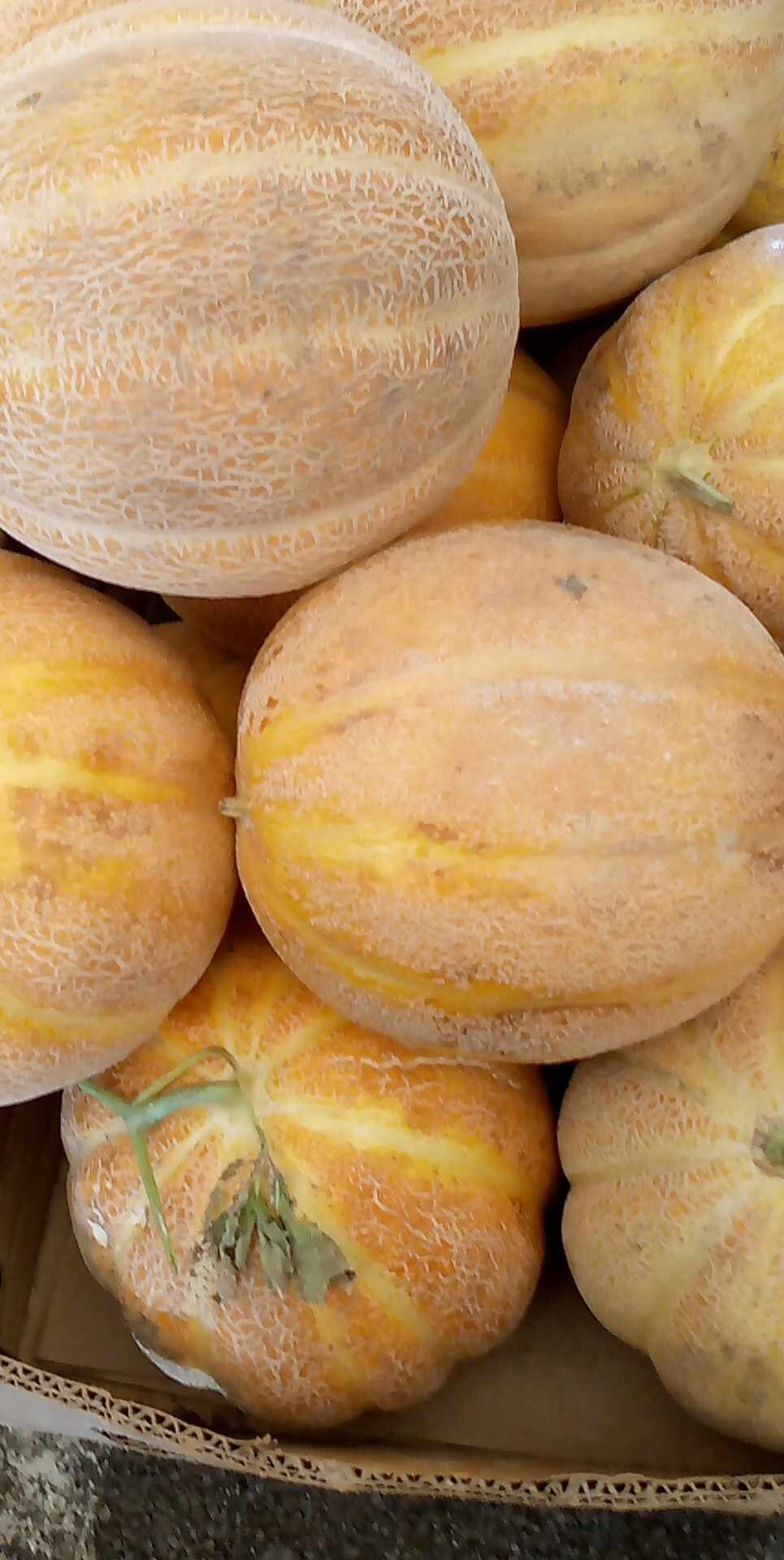
You surely know that melon is the best refreshment on hot summer days. The best way to choose a good melon is to smell it in search of a sweet smell. If it doesn’t smell sweet and inviting, don’t buy it because it doesn’t look good after it’s picked. Also, make sure that the bulging mesh covers the entire bark, which should be beige in color, not pale. Delicious and refreshing fruits will fit perfectly into the summer diet. Melon pieces are often served as an appetizer with cheese and prosciutto, because they facilitate the digestion of proteins.
In some regions, the seeds are dried and used in food, just like pumpkin seeds. Most often, however, fresh melons are used for making fruit salads, jams and compotes. In salads, it goes well with chicken and seafood. In exotic kitchens, melons are used for salsa, a sauce made from cubes of melon with the addition of red pepper, chopped coriander and shallots, along with a few drops of lime. The dressing prepared in this way is served with grilled fish and chicken. You can pour dessert wine over the melon balls with the addition of mint. For special occasions, you can freeze melon cubes and mix them in a blender with lime juice, sugar and tequila to get a melon margarita.
Cucumis melo, also known as melon, is an annual, herbaceous plant, which, just like watermelon and squash, belongs to the pumpkin family. It is of Persian origin, but it is assumed that it flourished in the Mediterranean as early as 2400 years before Christ. The Bible mentions that when the Israelites left Egypt and wandered in the desert with Moses for 40 years, they regretted their favorite food, especially the melon. Today, due to its delicious fruits, melons are grown in many forms in warm countries and along the Mediterranean belt. Ripe melons are dark yellow to light brown in color with a juicy and tasty meaty edible part and seeds in the middle. On average, a melon contains 94% water, 5.3% carbohydrates, 1% protein and 0.7% fiber. Out of the vitamins, there is mostly carotene, provitamin A, from which the color of the fruit comes, followed by B group vitamins, vitamin C, and of the minerals, potassium, phosphorus, magnesium, calcium, iron, zinc, copper are the most abundant.
Melon is the best refreshment on hot summer days

The vitamin and mineral composition of melons is similar to that of watermelons, with the fact that melons have significantly more potassium, calcium, magnesium and phosphorus, while watermelons have more zinc. Compared to watermelons, melons are richer in vitamin C, beta carotene, which contains about two thousand micrograms out of 100 grams of the edible part of the fruit. Carotenes are a precursor to vitamin A, which the liver converts into vitamin A when the body needs it. It is also found in other orange and yellow colored fruits such as apricots, carrots, butternut squash, pumpkin, magnolia, oranges, pineapple, nectarines and peaches. Already around 50 grams of the edible fleshy part of the melon will satisfy the body’s daily needs for this vitamin. It is known that melons have a low energy value – 24 calories in 100 grams of fruit.
What is the healing effect of melons?
Melon refreshes and soothes.
Regulates blood pressure.
It has a favorable effect on stool and urination.
It helps with inflammation of the mucous membrane of the digestive organs.
It helps in reducing body weight.
Facilitates digestion and prevents flatulence.
It is recommended for diseases of the bile.
It helps with heart disease.
Melon can be applied externally to the skin as a poultice, juice or grated fruit.