Petals floating in syrup and fragrance steeping through rice pudding reveal a culinary secret that startles modern diners. Is it roses used in kitchen and for what food? This question opens a history stretching back to ancient Persia, where cooks first distilled petals into rose water and stirred it into sherbets and sweets. Understanding roses used in kitchen begins not in a French restaurant but in the Zagros Mountains, where archaeological evidence suggests that humans cultivated aromatic roses for food and medicine over two thousand years ago. By the time of the Roman Empire, banquets featured rose petals scattered across marble floors and floated in wine, while medieval European monks preserved the flowers in honey and sugar for medicinal use.
Biblical tradition offers some of the earliest written testimony to the rose’s significance, though scripture speaks more of symbolism than recipes. Song of Solomon 2:1 declares, “I am the rose of Sharon, and the lily of the valleys,” establishing the flower as an emblem of beauty and divine love. Isaiah 35:1 proclaims that “the desert shall rejoice, and blossom as the rose,” while the apocryphal Sirach 39:13 urges the faithful to “blossom as a rose growing by the brook of the field.” These passages did not describe kitchen use directly, yet they elevated the rose to a status that made its consumption feel almost sacred, a tradition that Persian and Mughal courts embraced when perfuming elaborate rice dishes and sugar-dusted candies.
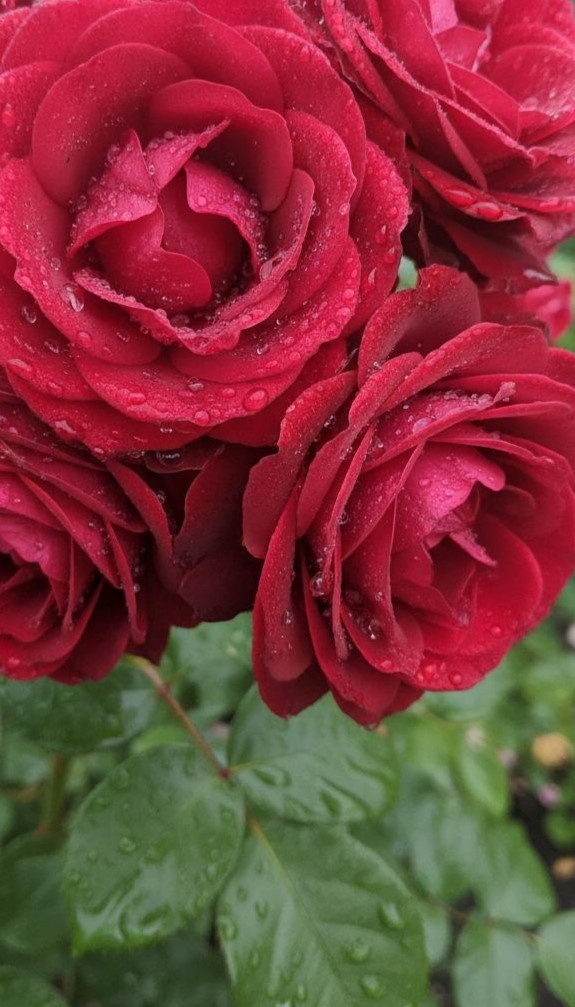
Several distinct varieties dominate contemporary culinary applications. Damask roses, specifically Rosa damascena, provide the intense fragrance essential for authentic Turkish delight, baklava, and Indian gulab jamun. Gallica roses offer a deeper, wine-like note prized in French confitures and liqueurs. Rugosa varieties produce the fleshy hips that become ruby-red jam and vitamin-rich tea, while their petals carry a lighter, apple-tinged sweetness. Centifolia and Alba roses contribute delicate flavor to syrups and crystallized confections. Some historical forms have vanished from modern kitchens. The heavily scented roses of ancient Roman gardens, bred for banquet halls rather than survival, disappeared as empires fell. Medieval “sauce rose” recipes that combined petals with ginger and almonds survive only in manuscript collections, while the once-common practice of using rose leaves as edible plates has faded into culinary archaeology.
Is it roses used in kitchen and for what food? The answer spans continents and courses. In Iran, rose water flavors ice cream and rice dishes during Nowruz celebrations. Across North Africa, dried petals season lamb tagines and couscous. French patissiers fold rose essence into macaron buttercream, and contemporary mixologists muddle petals into gin cocktails. The predecessor to all of these applications was likely the simple act of chewing wild rose hips for their tart vitamin C during prehistoric winters, a survival strategy that evolved into gastronomic art.
Extremes in the edible rose world capture global attention. The largest producers of culinary rose water, located in Iran’s Qamsar region and Bulgaria’s Valley of Roses, process thousands of tons of Damask petals annually through massive copper stills. At the opposite end, artisan confectioners craft single crystallized petals barely larger than a fingernail, selling them as edible jewels for wedding cakes. The smallest edible roses, miniature varieties no larger than a thumbnail, serve as cocktail garnishes in high-end bars, while the largest blooms, some cabbage roses spanning six inches, are stuffed with rice and herbs in Middle Eastern cuisine.
Global impact is measured in billions. The rose water and edible flower market continues expanding as wellness trends and fusion cuisine drive demand. Roses used in kitchen have shifted from medieval medicine cabinets to Instagram-worthy lattes and artisanal jams. What began as Persian palace luxury has become a supermarket staple, with rose-flavored products appearing in everything from kombucha to chocolate truffles.
Symbolically, roses in food represent hospitality, celebration, and transformation. Where ancient cooks valued petals for masking spoilage in pre-refrigeration eras, modern chefs celebrate their delicate flavor as an expression of terroir and craftsmanship. Is it roses used in kitchen and for what food? The evidence says yes, and the list grows daily. From prehistoric hip-gatherers to Michelin-starred pastry chefs, roses used in kitchen continue proving that the most beautiful flower can also be the most delicious ingredient. What changed most dramatically is accessibility; once reserved for emperors and saints, the flavor of roses now perfumes ordinary kitchens across the world.