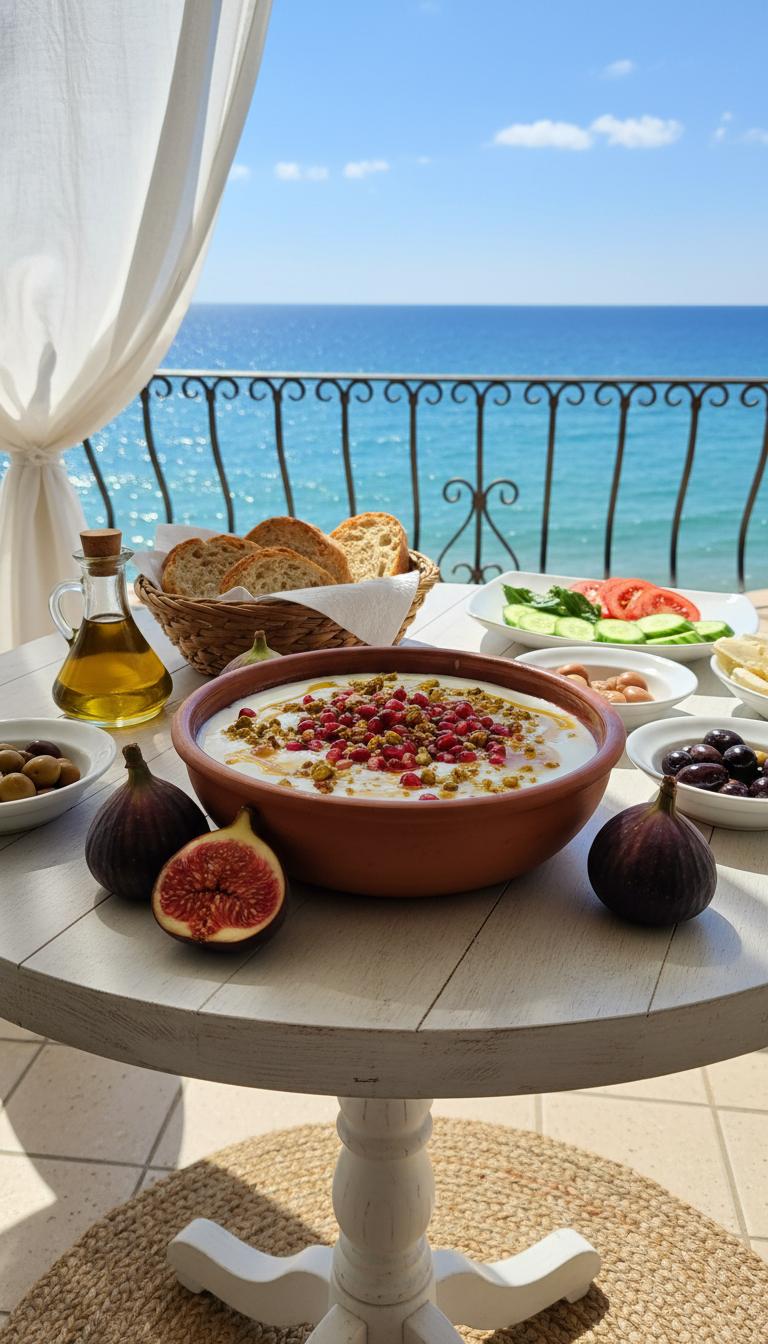
It is not a meal plan printed in a glossy magazine, nor a calorie-counting regime designed in a laboratory. The Mediterranean diet is, at its core, a geography of survival turned into a philosophy of pleasure. It is the sound of olive oil hitting a hot pan, the tearing of bread baked that morning, the deliberate pause of a midday meal that refuses to be rushed. To understand it is to understand that food in the Mediterranean was never merely fuel; it was the medium through which families, empires, and entire civilizations sustained themselves.
The roots sink deep into the ancient triad of grain, olive oil, and wine. The Phoenicians carried olive saplings across the sea, while Greek colonists planted vineyards on every shore they touched. The Romans built their culinary identity on this foundation, though with additions that would horrify modern nutritionists—garum, dormice, and honeyed wines. The true architectural blueprint, however, emerged from poverty rather than wealth. For millennia, the Mediterranean peasant could rarely afford meat; the diet was built on what the land and sea offered freely: wild greens, legumes, sardines, figs, and the golden oil pressed from olives that grew on hillsides too steep for other crops.
The modern world did not “discover” this diet until the 1950s, when American physiologist Ancel Keys noticed something extraordinary in post-war Italy and Greece. Heart disease, rampant in the industrialized United States, was almost unknown in the mountain villages of Crete. His subsequent Seven Countries Study, the largest epidemiological nutrition investigation of its era, traced the phenomenon to what was on the plate: greens braised in olive oil, bread at every meal, fish twice a week, wine in moderation, and red meat reserved for Sundays. Keys did not invent the diet; he simply named what had been a way of life for centuries.
Today, the Mediterranean diet exists in several beautiful dialects. The Greek version emphasizes feta, octopus, and mountain herbs. The Italian iteration celebrates seasonal vegetables, legumes, and the daily ritual of fresh pasta or bread. The Spanish table brings jamón in moderation, gazpacho, and the social architecture of tapas. The Levantine contribution—hummus, tabbouleh, and grilled fish—shares the same olive-oil DNA. Yet the purest form persists in the smallest, most isolated villages of Crete and Sardinia, where the diet remains untouched by supermarket globalization.
Paradoxically, the diet is now disappearing in its own homeland. As Mediterranean nations grew wealthier, meat consumption surged, traditional meze culture gave way to fast food, and the multi-generational lunch became a casualty of office hours. The wartime scarcity that Keys observed—what he mistook for a health choice—was actually a necessity born of poverty. That original template, heavy on foraged greens and legumes, is now harder to find in Athens or Naples than in a California wellness café.
What preceded the modern concept was the ancient “Mediterranean triad,” the agricultural covenant between human and landscape that began around 5000 BCE. The global impact is difficult to overstate. In 2013, UNESCO inscribed the Mediterranean diet as an Intangible Cultural Heritage of Humanity, recognizing not just ingredients but the rituals of harvesting, cooking, and communal eating. It has become the backbone of the Blue Zones movement, the default recommendation of cardiologists, and a multi-billion-dollar wellness industry that exports olive oil to Minnesota and turmeric lattes to Milan.
Symbolically, the diet still carries the olive branch—peace, prosperity, and the promise of longevity. It represents the ancient Greek ideal of sophrosyne, the virtue of moderation. What changed is the context. Once the forced frugality of fishermen and farmers, it is now the aspirational lifestyle of the global elite. The plate looks similar, but the world around it has been transformed. The challenge is no longer finding the food; it is finding the time to sit down, break bread, and remember that the diet was never about the oil alone, but about the hands that shared it.