
Fireworks painting the night sky in red, white, and blue have become the universal image of summer, yet the traditions surrounding 4th of July in America stretch far beyond sparklers and grilled burgers. Understanding why millions gather every summer requires looking back to July 4, 1776, when the Continental Congress adopted the Declaration of Independence in Philadelphia, formally severing ties with Great Britain. The first anniversary celebration erupted one year later in 1777, complete with fireworks, establishing a template that would evolve into the modern spectacle we recognize today.
Contemporary 4th of July in America offers a remarkable spectrum of experiences. Massive fireworks displays dominate major cities, with the National Mall in Washington, D.C., drawing hundreds of thousands for a pyrotechnic spectacle that in 2026 aims to launch over 851,000 fireworks, potentially shattering world records. New York’s Macy’s fireworks remain a televised tradition, while Bristol, Rhode Island, hosts the oldest continuous parade, dating to 1785. At the opposite end, millions of Americans prefer intimate backyard barbecues, small-town pancake breakfasts, and neighborhood fireworks sessions that embody the same communal spirit on a miniature scale.
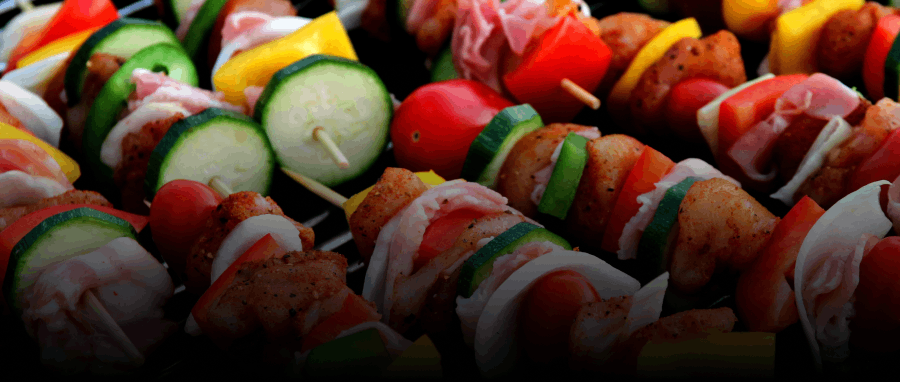
Types of celebrations today include patriotic parades, beach vacations, camping trips, baseball games, and competitive eating contests like Nathan’s Famous Hot Dog Eating Contest on Coney Island. Seward, Alaska, famously begins its fireworks at midnight to honor the time zone. Food remains central to the experience, with hamburgers, hot dogs, watermelon, and apple pie forming an unofficial national menu that families replicate from coast to coast. No single day on the calendar consumes more hot dogs or fireworks than 4th of July in America, making it both a culinary and pyrotechnic peak.
Formal political orations that dominated 19th-century commemorations have given way to family-centered recreation. Symbolically, 4th of July in America has shifted from a solemn political anniversary to a celebration of summer itself. Red, white, and blue still dominate decor, but the holiday now signals vacation season, family reunions, and the peak of outdoor living.
Global impact is measured in billions. The holiday generates massive economic activity through travel, food sales, fireworks purchases, and retail promotions. American military bases abroad host celebrations, spreading the tradition internationally. What began as a declaration of political sovereignty has become a cultural marker of American identity, exported globally through movies, music, and media. From its origins in a Philadelphia meeting hall to modern drone light shows and synchronized music displays, 4th of July in America continues evolving while retaining its core appeal: a day when communities pause ordinary life to look upward in wonder. What changed most profoundly is the scale and inclusivity, transforming a revolutionary anniversary into a nationwide summer festival that welcomes everyone to the table.