
August arrives with the weight of ancient empires and the sweetness of overripe peaches. Named for Augustus Caesar, the first Roman emperor, this month was once called Sextilis—meaning sixth—on the old ten-month Roman calendar. When the calendar expanded around 700 BC, adding January and February, August became the eighth month, yet it kept its 31 days as a mark of imperial pride. The Latin root augustus means consecrated, venerable, or majestic, and even today the adjective “august” describes anything inspiring reverence.
In ancient Rome, August was a time of rest and celebration. Emperor Augustus established the Feriae Augusti, a festival of relaxation that modern Italians still honor as Ferragosto in mid-August. The Romans also associated this month with Ceres, goddess of grain, recognizing it as the critical threshold between summer’s peak and autumn’s approach. Anglo-Saxons had a more practical name: Weodmonath, or “weed month,” because vegetation grows so aggressively across the Northern Hemisphere that gardens threaten to swallow paths whole.
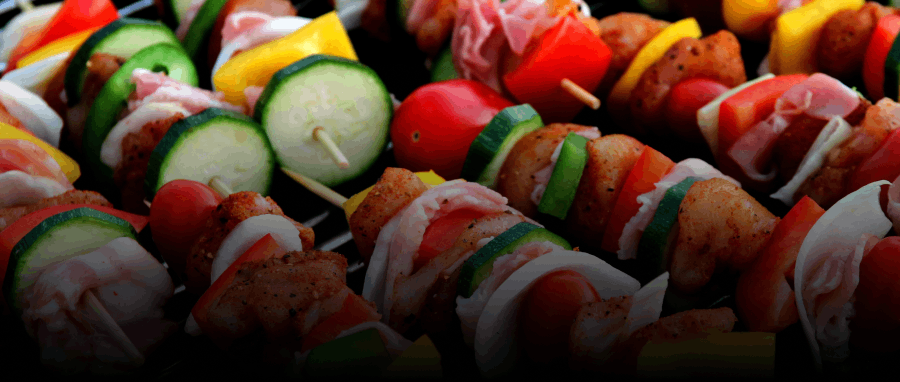
Nature responds to August’s long, hot days with explosive generosity. Tomato vines hang heavy with heirloom varieties in red, gold, and purple. Sweet corn reaches its sugary peak, cucumbers and zucchini multiply faster than gardeners can harvest them, and peach trees offer fruit so juicy it demands to be eaten over a sink. Peppers—both bell and chili—turn vibrant, while watermelons and cantaloupes swell with late-summer hydration. Eggplants, okra, beets, carrots, and dark leafy greens all reach prime flavor and nutrition density during these weeks.
This abundance makes August the most important month for home preservation. Tomatoes become sauces and salsas sealed in jars for winter pasta nights. Cucumbers transform into crunchy dill pickles or sweet bread-and-butter chips. Peaches simmer into jams and compotes that capture sunshine in a spoon. Sweet corn blanches and freezes beautifully, maintaining its crispness for months. Even watermelon rinds can be pickled, a tradition that stretches back centuries when nothing from the harvest went to waste. Quick refrigerator pickles and small-batch freezer jams offer beginners an easy entry point into the preserving tradition.
Symbolically, August carries fascinating layers. Its birthstone, peridot, forms deep in the earth and rides volcanic lava to the surface; Hawaiian legend calls it the tears of Pele, goddess of fire. The gladiolus, one of August’s birth flowers, represents strength of character and sincerity, while the poppy symbolizes imagination and eternal sleep. Astrologically, the month begins under Leo’s fiery confidence before shifting to Virgo’s analytical precision on the 23rd. The “Dog Days” of summer, which begin in July, officially end on August 11, marking the close of the year’s hottest, most languid period.
Interesting facts about August reveal its quirky character. The Perseid meteor shower, one of the year’s most spectacular celestial events, peaks around August 11–13, sending up to one hundred shooting stars per hour across the night sky. In 1762, the Earl of Sandwich allegedly invented his namesake food during a gambling session, giving the world perhaps its most portable meal. August is the only month with no major federal holidays in the United States, yet it claims the title of most popular birth month—more babies arrive in August than any other time of year. Ancient Romans believed that heavy fogs in August predicted hard frosts in October, a bit of farmer’s folklore that still circulates in rural communities today.
What changed most profoundly about August is how humanity relates to its abundance. Ancient civilizations saw it as a sacred pause dedicated to gods and emperors. Medieval peasants raced against time to store grain before winter. Modern home cooks approach it as a season of culinary creativity, filling pantries and freezers with preserved flavors. From the imperial courts of Rome to backyard gardens across the world, August continues offering its majestic, generous bounty to anyone willing to gather it.