
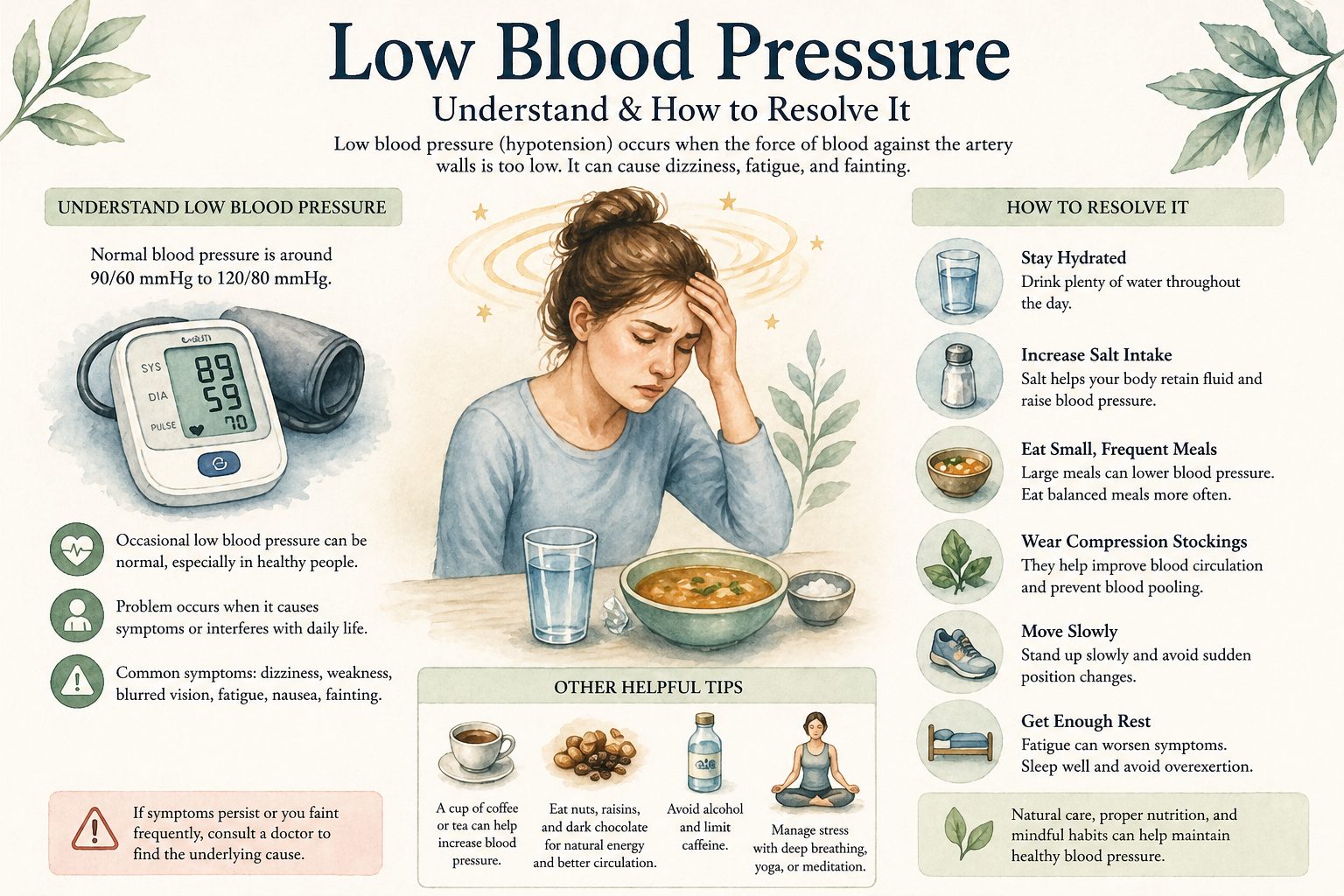
Blood pressure refers to the force of blood flow against the walls of blood vessels. While low blood pressure (hypotension) is generally less risky to health than high blood pressure (hypertension), it can still produce a variety of uncomfortable symptoms. People with low blood pressure often report difficulties waking up, drowsiness, dizziness, fatigue, quick exhaustion, lack of motivation, reduced concentration, and memory issues.
These symptoms are due to an inadequate blood supply within the blood vessels, which limits blood flow to vital organs. If low blood pressure is extreme and persists for extended periods, it may even result in long-term damage to organs like the heart and kidneys, leading to more serious health concerns. That’s why it’s important to address low blood pressure when symptoms arise. As for why there aren’t many medications specifically for low blood pressure, the reason is that it often shifts toward hypertension as people age. Aggressive treatment is generally avoided to prevent this from happening.
In these cases, natural remedies can be the most practical choice, providing a milder, safer option. With simple, accessible remedies, low blood pressure can often be controlled, minimizing symptoms and even stabilizing blood pressure effectively.
Here are some natural options:
- Rosemary: In traditional medicine, rosemary tea is a well-known remedy for increasing blood pressure.
- Beetroot: Drinking a glass of fresh beet juice daily can significantly reduce low blood pressure symptoms within a week.
- Hawthorn: Known to help stabilize blood pressure, hawthorn is effective for both low and high blood pressure.
- Ginseng: This herb is also beneficial for regulating blood pressure levels.
- Coffee: Caffeine can raise blood pressure slightly, so drinking a cup of coffee daily can help, provided you’re not sensitive to caffeine.
- Water: Staying well-hydrated is crucial, as drinking more water boosts blood volume, helping to raise blood pressure.
- Salt: Consuming slightly saltier foods can be beneficial, as salt helps the body retain water.
- Vitamin C, B vitamins, and proteins: These nutrients support the body in preventing and managing low blood pressure.
Note: Low blood pressure without symptoms is generally harmless and doesn’t require treatment. However, for those who experience symptoms, these natural remedies may offer helpful relief.