

Osteoporosis, commonly referred to as “porous bones,” leads to a weakening and increased fragility of bones. A key factor in both the prevention and management of this condition is proper nutrition, particularly adequate intake of calcium and other essential minerals.
The strength of bones is determined by their size and density. Bone density is influenced partly by the levels of calcium, phosphorus, and other minerals present in the bones. When bones lack these minerals, they become weaker and more prone to fractures. Hormonal levels also play a significant role; for instance, women going through menopause experience decreased estrogen levels, which can result in reduced bone density. Similarly, low testosterone and estrogen levels in men can lead to a loss of bone mass.
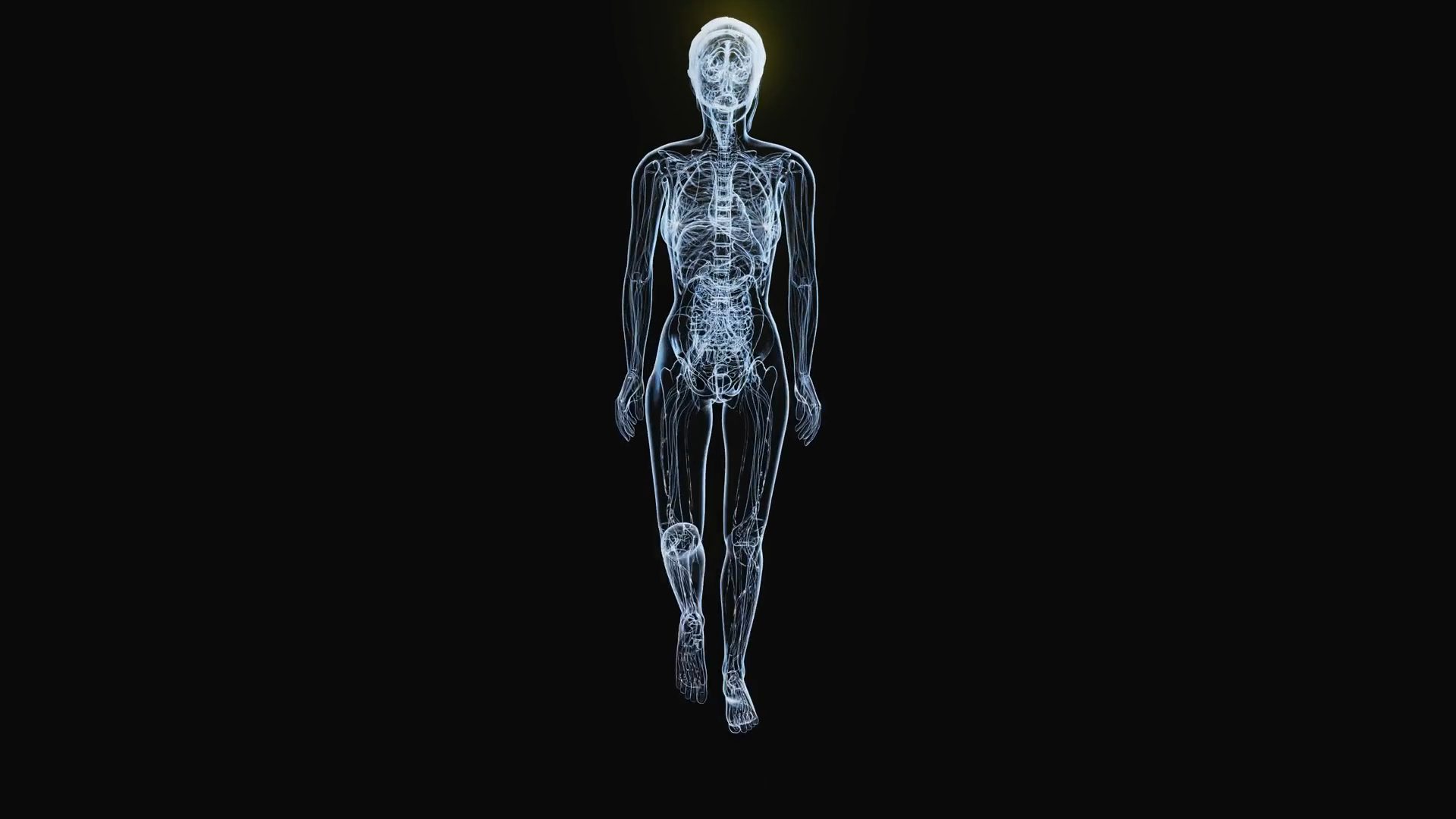
Nutrients That Support Bone Health:
- Vitamin D: This vitamin is crucial for the absorption of calcium. Regardless of calcium intake, insufficient vitamin D means bones cannot effectively utilize calcium. Sun exposure is the best source of vitamin D, and during winter months, supplements are recommended. The minimum daily dosage is generally considered to be 600 IU.
- Magnesium and Boron: Both minerals are vital for bone health. Magnesium helps retain calcium in the bones, and good sources include cocoa, bananas, dried apricots, tofu, and tomatoes (like ketchup). Boron can be found in foods like raisins, almonds, hazelnuts, avocados, and dried apricots.
- Calcium: Often viewed as the cornerstone of bone health, calcium is abundant in green leafy vegetables. For instance, one cup of bok choy contains about 250 mg of calcium, while kale offers around 200 mg, and broccoli has approximately 180 mg per cup. Dried figs and corn tortillas are also good sources.
- Potassium: This mineral plays a significant role in bone health and can be found in tomatoes and tomato products, raisins, potatoes, spinach, sweet potatoes, papayas, oranges, bananas, and prunes.
- Vitamin C: This vitamin contributes to bone density, with excellent sources including bell peppers, oranges, grapefruits, Brussels sprouts, papayas, strawberries, and pineapples.
- Vitamin K: Vital for calcium distribution in the body, vitamin K is abundant in leafy greens such as kale, Swiss chard, spinach, dandelion greens, and Brussels sprouts.
Factors That Can Be Detrimental to Bone Health:
- Excessive Protein Intake: High-protein diets can lead to calcium loss. While protein is important, excessive meat consumption, which often contains high phosphorus levels, can hinder calcium absorption. Studies have shown that vegetarians typically experience less bone mass loss compared to non-vegetarians.
- High Salt Intake: Consuming too much salt can also result in calcium loss. It’s wise to limit salty foods, including highly processed and canned items, and to avoid adding extra salt to meals.
- Oxalates, Phytates, and Caffeine: These compounds can interfere with calcium absorption, and excessive alcohol consumption may deplete calcium reserves in the body.

The Role of Exercise:
Regular physical activity is just as important as diet when it comes to preventing and managing osteoporosis. Activities such as aerobics, brisk walking, jogging, weight training, and tai chi are particularly beneficial. Research indicates that exercise can even help increase bone density in individuals well into their nineties.
Maintaining strong bones requires a holistic approach that combines a nutrient-rich diet with regular physical activity. Taking care of your bones today can lead to a healthier, more resilient future.