There is a vegetable so humble that it rarely gets its own menu description. It sits beside the steak or mixed into a salad, eaten without being noticed. But the green bean has been to ancient Peru, medieval Europe, and the American South. And in every place, it became essential.
The green bean is native to Central and South America, where it grew wild as a climbing vine. Archaeologists have found evidence of cultivation in Peru dating back to 7000 BC. The ancient Maya and Aztec grew it alongside corn and squash in the Three Sisters system. The bean fixed nitrogen in the soil, the corn provided a stalk to climb, and the squash shaded the ground. It was ecological engineering before anyone knew what that meant.
Europe did not meet the green bean until the sixteenth century, when Spanish explorers carried it back across the Atlantic. The name “string bean” comes from the fibrous thread that ran along older varieties, which cooks had to pull away before boiling. Modern breeding eliminated that string in the 1890s, but the old name stuck.
What did people use it for? At first, survival. The bean is high in fiber, vitamin C, vitamin K, and manganese, and delivers surprising protein for a vegetable. A cup of cooked green beans contains about four grams of protein and four grams of fiber, all for only thirty-five calories. In wartime, it was a staple of victory gardens because it grew fast and could be canned for winter.
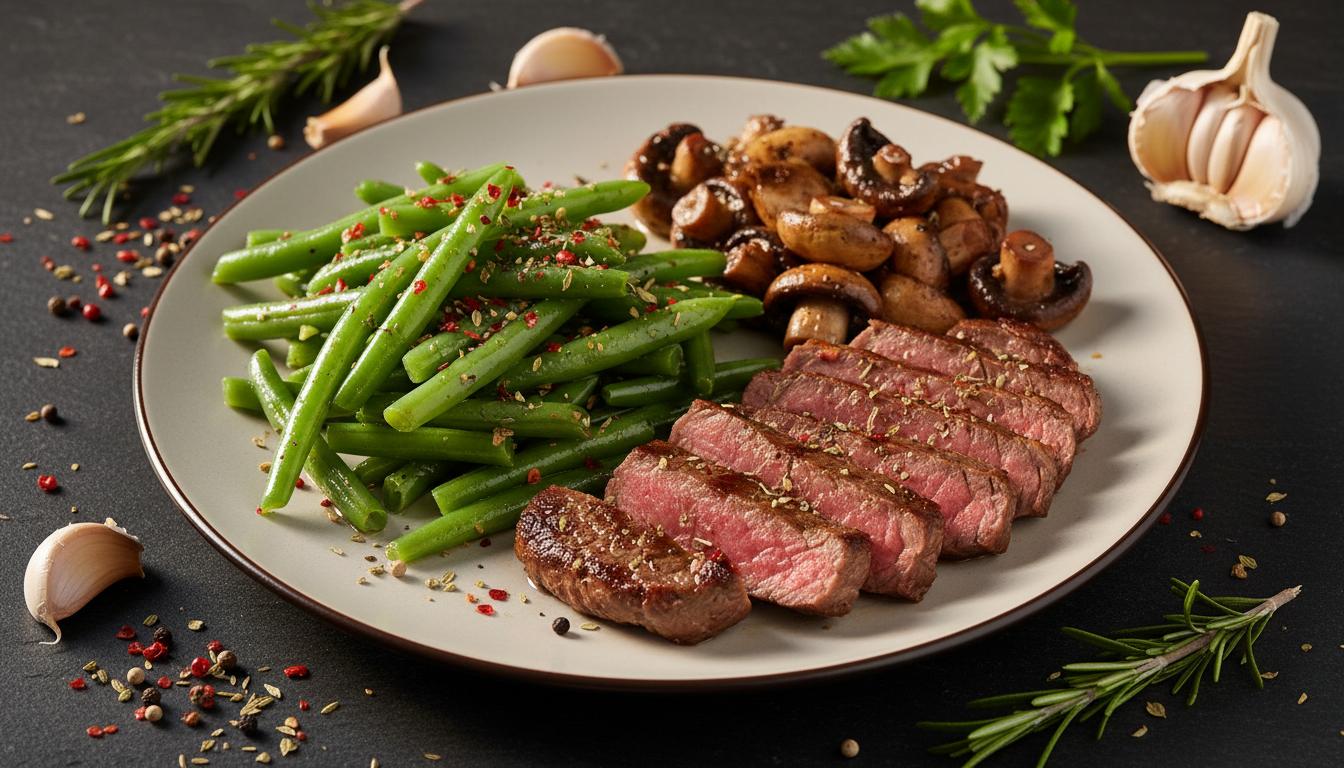
But the green bean is more than survival food. In French cuisine, haricots verts are blanched until barely tender. In the American South, green beans are slow-cooked with bacon until they melt into smoky pot liquor. In China, they are dry-fried with pork until the skins blister.
Symbolically, the bean carries modest weight. In Native American traditions, it represents growth because it climbs. In European folklore, beans were associated with fertility and thrown at weddings, a tradition that evolved into the rice toss. The Pythagoreans banned beans, believing they contained souls. Pythagoras reportedly refused to walk through a field of them.
Storage is straightforward but often done wrong. Fresh green beans should be unwashed, dry, and stored in a paper bag in the refrigerator for five to seven days. Sealed plastic traps moisture and causes slimy rot. If they bend instead of snap, they are past their prime. For long-term storage, blanching and freezing is best. Canning softens the texture significantly.
Here is a fact that surprises most people. The green bean and the dried kidney bean are the same species, Phaseolus vulgaris. The difference is simply harvest time. A green bean is the immature pod, picked before the seeds swell. If left on the vine, the same pod would dry into a shell containing beans that could be stored for years. The green bean is technically a fruit, botanically speaking. The pod is the ovary, and the seeds are the embryos. But because we eat it before the seeds mature, we treat it as a vegetable. This secret is shared by tomatoes, cucumbers, and eggplants.
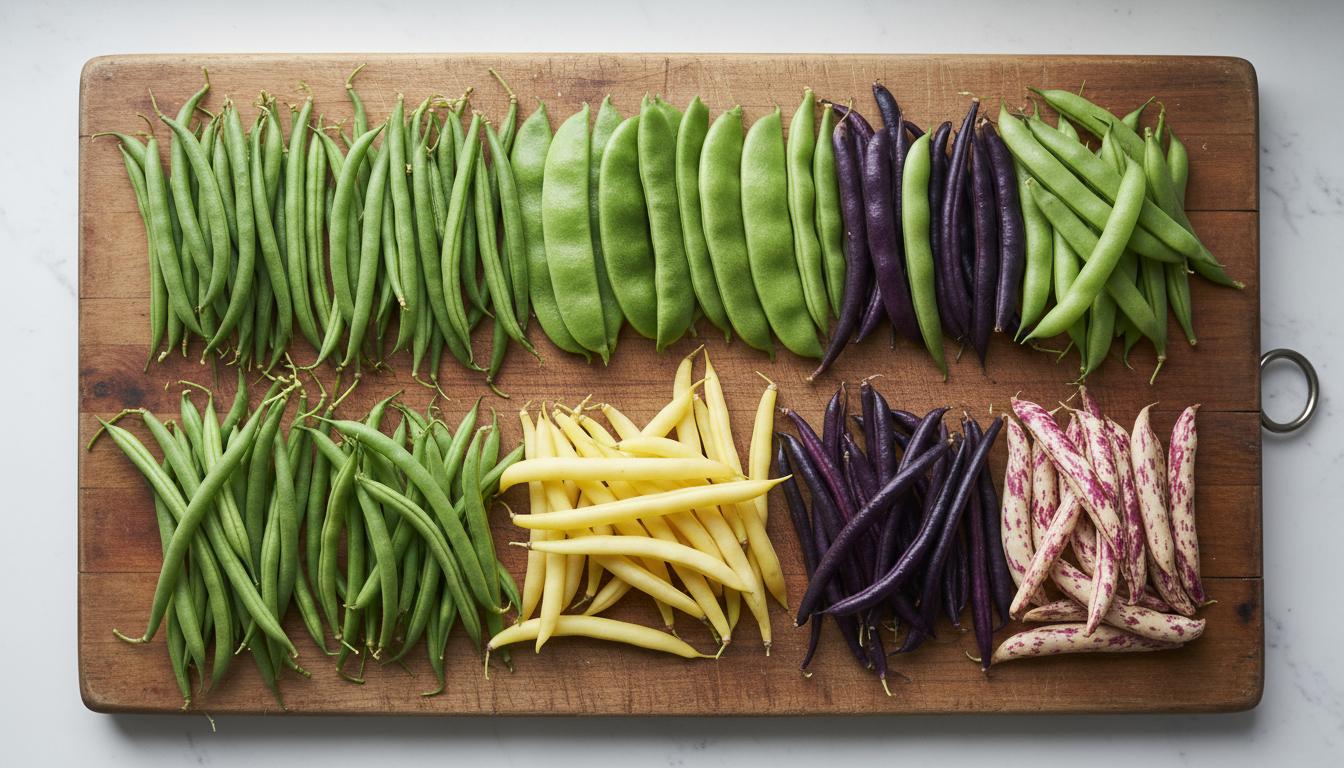
What has changed? The green bean went from a backyard staple to a supermarket commodity grown year-round in Mexico and Kenya. The green bean went from garden staple to industrial product. Modern breeding created stringless varieties and disease-resistant hybrids. Canning and freezing made it available year-round, though the texture of a frozen bean will never match the snap of one picked that morning. Recently, heirloom varieties have returned to farmers markets — purple pods, yellow wax beans, and thin haricot vert that remind us what the vegetable tasted like before uniformity became the goal.
In the end, the green bean is a lesson in humility. It does not demand attention like asparagus or artichoke. It simply shows up, does its job, and asks for nothing more than a pot of boiling water and a little salt. That is why it has survived every trend, every war, and every change in taste. It is good enough to be permanent.